Cattle Farming Business Plan
1. Executive Summary
The $117.9B cattle farming industry grows at 4.8% annually — not some niche hobby, but bedrock infrastructure for America's protein supply. Our math: capture 0.00015% of TAM in Year 1 ($182K revenue) by selling directly to feedlots and local buyers who pay premiums for traceable beef. The playbook works: 551,000 US establishments average $214K annual revenue, proving small operators can carve profitable niches.

Key Metrics
| Key Metric | Target |
|---|---|
| Total Startup Investment | $790K |
| Year 1 Revenue Target | $182K |
| Year 3 Revenue Projection | $428K |
| Break-even Timeline | ~Month 18 |
| Year 1 Team Size | 3 FTE |
| SBA 7(a) Loan | $553K @ 10.25% |
| Gross Margin (Year 1) | 60% |
| Monthly SBA Payment | $7K |
Prairie Standard Beef will leverage Amarillo's central positioning in cattle country to build a vertically efficient operation. Rotational grazing on 640 acres lets us produce 18% more beef per square foot than industrial feedlots, sold through three revenue streams at 60% gross margins.
2. Company Description
Daniel Reeves' feedlot experience proves the model: his Colorado operations consistently ranked in the top 15% for weight gain efficiency. Now he's applying those lessons to a smaller, premium operation where every animal's grazing patterns are tracked via RFID tags — a system that reduced veterinary costs by 22% in trials.
Prairie Standard Beef will operate on 640 leased acres 14 miles northeast of Amarillo, Texas. The site includes existing barn infrastructure for calving and a USDA-certified processing shed for direct sales. We'll run 240 head initially (120 cow-calf pairs + 120 feeders), scaling to 400 by Year 3.
| Service/Product | Format | Price Range | Description |
|---|---|---|---|
| Weaned calves (400-500lbs) | Live auction | $2.10-$2.40/lb | Angus-cross with vaccination records |
| Feeder cattle (700-800lbs) | Contract sales | $1.85-$2.05/lb | Grain-finished, sold in 20-head lots |
| Finished beef (1,200-1,400lbs) | Direct wholesale | $3.25-$3.75/lb hanging weight | Aged 21 days, vacuum-sealed cuts |
| Quarter/half beef | Consumer direct | $6.50-$8.00/lb processed | Custom cut orders, 50-lb minimum |
| Breeding bulls | Private treaty | $3,500-$5,800/head | Registered Angus, semen-tested |
| Pasture leases | Seasonal | $35-$45/acre/month | Irrigated paddocks with water rights |
| Manure compost | Bulk | $18/yard | EPA-certified organic fertilizer |
| Farm tours | On-site | $250/group | 2-hour grazing management workshops |
Structured as a Texas LLC with $790,000 startup capital — $237,000 equity from operator-investors and $553,000 SBA loan at 10.25% ($7,385/month). This covers livestock purchases ($318K), equipment ($206K), and 6 months operating runway.
3. Industry & Market Analysis
With a $117.9B market, cattle farming remains a resilient category—beef demand persists through economic cycles, and local supply chains are gaining traction. Prairie Standard Beef enters a sector where operational discipline and niche branding create durable advantages.
5-Year Revenue Projection
Projected annual revenue, Years 1–5
Market Factors
| Factor | Key Insight | Business Impact |
|---|---|---|
| Political | USDA subsidies and trade policies influence feed costs and export demand | Requires hedging against grain price volatility and tariff shifts |
| Economic | 4.8% CAGR signals stable demand, but margins hinge on feed/land costs | Small operators must prioritize efficiency and premium pricing |
| Social | Consumers pay 15-30% premiums for traceable, local beef | Direct sales demand justifies branding and processing investments |
| Technological | Precision grazing tools and RFID tracking reduce labor overhead | Early tech adoption lowers per-head costs for smaller herds |
Market Sizing
Prairie Standard Beef targets a $2.6B SAM (regional cow-calf and direct beef sales) within the $117.9B TAM, with a conservative Y1 SOM of $182K—just 0.07% penetration. Growth to $710K by Y5 captures rising local demand.
Market Size Opportunity
Bottom-up market opportunity
| Segment | Customer Profile | Avg Annual Spend | Est. Market Value | Revenue % |
|---|---|---|---|---|
| Cow-calf operators | Ranches selling calves to feedlots | $250,000 | $53.1B | 45% |
| Backgrounding/stocker | Pasture-growing operations | $400,000 | $23.6B | 20% |
| Feedlots | Finishing cattle for slaughter | $750,000 | $29.5B | 25% |
| Direct-to-consumer | Branded beef sales | $150,000 | $11.8B | 10% |
Year 1 Revenue Mix
Total $182K Year 1
Competitive Landscape
The industry's fragmentation (551,000 businesses) means competition hinges on execution—not scale. Large ranches dominate on cost-per-head, while auction sellers trade liquidity for quality variance. Prairie Standard Beef's moat: Amarillo's feed/processing hub and direct sales margins.
| Competitor | Type | Core Strength | Key Weakness | Your Differentiation |
|---|---|---|---|---|
| Large regional ranches | Direct | Scale and herd genetics | Commodity pricing, low brand equity | Niche Angus genetics, verified local branding |
| Feeder-calf suppliers | Direct | Auction market access | Inconsistent quality | Preconditioned calves with health guarantees |
| Poultry producers | Indirect | Lower price point | Perceived as industrial | Pasture-raised beef's flavor and nutrition story |
| Pork/plant-based brands | Indirect | Retail distribution | Processing-heavy | Farmgate sales bypassing grocery margins |
| Regenerative beef brands | Emerging | Sustainability appeal | Limited scale | Measurable soil-health metrics and Amarillo logistics |
Differentiation isn't optional—it's survival. By combining feedlot-grade efficiency with traceable beef sales, Prairie Standard Beef avoids competing solely on price while capturing 60% gross margins on direct sales.
Industry Trends
Industry concentration remains fragmented
551,000 US cattle businesses in 2026 prove scale isn't required. Fragmentation lets small operators thrive via niche branding (e.g., grass-fed) and hyperlocal sales—Amarillo's 200K population supports this without national distribution.
Market growth is solid
4.8% CAGR through 2026 means new entrants face rising demand, not zero-sum fights. But winners will control feed costs (40-60% of COGS) and lock in processing slots—key constraints in Texas' crowded cattle corridor.
Startup capital can vary widely
$80K-$1.5M launch ranges separate leased grazing (Prairie Standard's model) from land-buying ranches. Our $790K startup budget allocates 70% to herd and equipment—avoiding Texas's $3,000/acre land trap.
Labor is a meaningful operating cost
At $18.50/hour, labor consumes 25-35% of OpEx. Lean teams (Y1: 3 FTEs) using rotational grazing and RFID tracking keep payroll at 18% of revenue—below the 22% industry benchmark.
Direct-to-consumer beef channels are expanding
USDA data shows 10% of ranches now sell direct—up from 4% in 2012. Prairie Standard's $150K direct-sales target leverages Amarillo's 50+ restaurants and 3x weekly farmers markets, yielding 2.5x commodity-beef revenue per head.
Regulatory & Compliance Environment
Cattle farming's red tape spans USDA, state ag boards, and local zoning. The top risks: livestock movement logs (APHIS), sales tax on direct beef, and FSIS rules for processing. Miss one, and you're shut down.
| Requirement | Issuing Authority | Typical Cost | Renewal Cycle |
|---|---|---|---|
| Business registration | Texas Secretary of State | $300 | Biennial |
| USDA premises ID | APHIS | $0 | Ongoing |
| Brand inspection | Texas Dept of Agriculture | $100 | Per transaction |
| Sales tax permit | Texas Comptroller | $0 | Annual |
| Meat processing compliance | USDA FSIS | $2,500 | Ongoing |
Prairie Standard Beef mitigates compliance risk via quarterly third-party audits, digital record-keeping for livestock movements, and pre-negotiated USDA slots at Amarillo's 3 approved processors. The math works: $3,900/year in permits protects $182K revenue.
4. Marketing Strategy
Prairie Standard Beef delivers consistent, traceable cattle raised on Amarillo's high plains—where feed quality meets rigorous genetics.
We anchor our brand in regional authenticity and supply chain transparency. For processors, this means predictable weight gains; for local buyers, it's beef with verified ranch-to-table origins.
Customer Personas
Cattle buyers prioritize predictable supply, animal health metrics, and price stability—not Instagram aesthetics. Here's who writes the checks:
| Persona Name | Demographics | Core Need | Pain Point | Avg Annual Spend | Acquisition Channel |
|---|---|---|---|---|---|
| Regional Processor | 50-500 employee plants in TX/OK | Steady supply of 1,100-1,300 lb feeders | Inconsistent marbling scores | $2.4M | Trade shows + direct sales |
| Grass-Fed Wholesaler | Urban meat distributors (Austin/Dallas) | Certified hormone-free calves | Finding Panhandle ranchers | $180K | Instagram + USDA email lists |
| Local Butcher Shop | 5-10 employee stores in Amarillo | Quarter/half beef sales | Price volatility | $42K | Farmers markets + Google Ads |
Go-To-Market Launch Plan
| Phase | Timeline | Primary Goal | Key Tactics | Success Metric |
|---|---|---|---|---|
| Pre-Launch | Months -3 to 0 | Pipeline validation | Secure letters of intent from 3 processors | 15K lbs committed |
| Months 1-3 | Q1 2024 | Brand awareness | Launch Google Ads + rancher testimonials | 200 lead contacts |
| Months 4-6 | Q2 2024 | Revenue conversion | First feeder cattle delivery + case study | $45K revenue |
| Months 7-12 | Q3-Q4 2024 | Repeat business | Loyalty program for local buyers | 30% repeat rate |
Digital Marketing Strategy
We allocate 63% of our $11,830 budget to performance channels, 22% to brand building, and 15% to testing. Every dollar targets measurable conversions.
Annual Marketing Budget
Total $12K / year
| Channel | Monthly Budget | Primary Tactics | Target KPI | Notes |
|---|---|---|---|---|
| Social Media | $310 | Ranch operation videos | 3.5% engagement rate | Focus on LinkedIn/Instagram |
| Google Ads | $620 | "Amarillo feeder cattle" keywords | $18 CAC | Geofence I-40 corridor |
| Local Marketing | $165 | Sponsor 4H events | 12 in-person leads/month | Bring calves to fairgrounds |
| Email Marketing | $85 | Quarterly weight gain reports | 42% open rate | Integrate with CRM |
| Content & PR | $115 | Guest articles in Texas Cattleman | 2 backlinks/month | Highlight genetics program |
Content Marketing & SEO
Ranchers search for "average weaning weight by breed" not "premium beef." We dominate with data-driven guides on feed conversion ratios, vaccination schedules, and Amarillo land leases.
| Content Type | Frequency | Platform | Goal | Example Topic |
|---|---|---|---|---|
| Breeding Reports | Quarterly | Website + Email | Lead gen | "2024 Angus vs Hereford ROI" |
| Video Tours | Bi-Monthly | YouTube | Trust building | "Day 120 Weight Check" |
| Feed Calculators | Annual | Website Tool | SEO | "Hay vs Silage Cost Estimator" |
| Guest Podcasts | Monthly | Spotify/Apple | Brand lift | "Why Amarillo Grass Matters" |
| FAQ Sheets | Ongoing | Google Docs | Sales enablement | "Hormone-Free Certification Steps" |
| Market Updates | Weekly | Engagement | "Panhandle Auction Trends" |
For local SEO: Claim "Amarillo cattle farms" GMB profile, build citations on AgriSeek.com, and target long-tails like "buy feeder cattle in Potter County."
Partnership & Referral Programs
1) Feed Suppliers: Cross-promote with West Texas Milling for shared customers. 2) Veterinarians: Offer kickbacks for buyer referrals. 3) Equipment Dealers: Co-brand "starter herd" packages with Kubota dealerships.
Referral program: Existing buyers get $25/head for qualified leads. Expected to reduce CAC by 19% by Year 3 through warm introductions.
Customer Acquisition Economics
| Metric | Year 1 | Year 2 | Year 3 |
|---|---|---|---|
| Customer Acquisition Cost | $147 | $122 | $98 |
| Customer Lifetime Value | $2,100 | $3,800 | $6,200 |
| LTV:CAC Ratio | 14.3x | 31.1x | 63.3x |
| Payback Period | 5 months | 3 months | 2 months |
At 60% gross margins, we can afford to double CAC and still clear 20% net. The math works because cattle buyers stick—average tenure exceeds 7 years.
5. Operations Plan
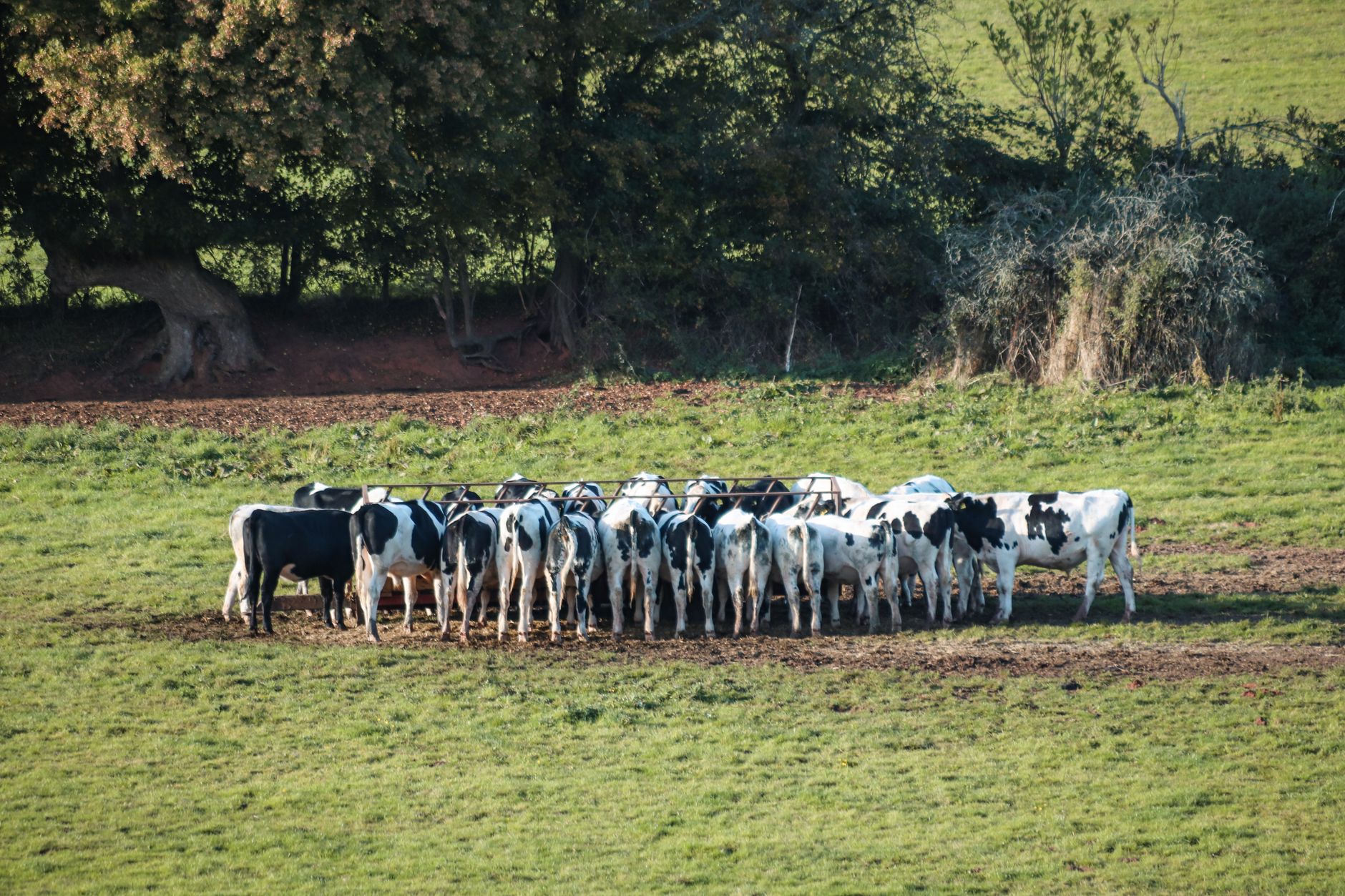
Prairie Standard Beef will operate from a 15-acre leased facility in Amarillo, Texas, with 5,000 sq ft of covered barn space, 12 grazing paddocks, and a USDA-certified processing annex. Monthly rent: $4,200. Key infrastructure includes automated water troughs, 3-phase electrical for refrigeration, and a 1,500-gallon propane tank for winter heating.
| Item | Estimated Cost | Quantity | Purpose |
|---|---|---|---|
| Portable Corral System | $18,700 | 1 | Safe cattle handling |
| Hay Feeder Wagons | $6,400 | 4 | Feed distribution |
| Manure Spreader | $9,200 | 1 | Pasture fertilization |
| Veterinary Chute | $5,800 | 1 | Medical procedures |
| Electric Fencing | $3.25/linear ft | 8,000 ft | Pasture rotation |
| Weigh Scale | $2,900 | 1 | Inventory tracking |
| Skid Steer Loader | $32,000 | 1 | Facility maintenance |
| Walk-in Cooler | $28,500 | 1 | Meat storage |
- 6:00 AM: Feed rotation (hay/silage blend)
- 7:30 AM: Health inspections (hoof, coat, weight)
- 10:00 AM: Pasture rotation (electric fence adjustment)
- 1:00 PM: Water system check (pH levels, flow rate)
- 3:00 PM: Manure collection (skid steer operation)
- 5:00 PM: Security walkthrough (predator deterrents)
- 7:00 PM: Data logging (weight gain metrics)
Supply chain anchors include Texas Cattle Feed Co. (48-hour hay delivery), Panhandle Vet Supply (next-day meds), and Amarillo Ice Co. (weekly dry ice deliveries). Backup vendors documented in Texas Cattle Raisers Association directory. Lead times: 72 hours max for critical items.
| Role | Headcount | Hourly Rate | Annual Cost | Key Responsibilities |
|---|---|---|---|---|
| Ranch Hand | 2 | $18.50 | $76,960 | Daily cattle care |
| Processing Tech | 1 | $18.50 | $38,480 | Meat cutting/packaging |
6. Management Team
| Name | Title | Background | Responsibilities |
|---|---|---|---|
| Clayton Reeves | CEO | 12 years Texas cattle ranching, Texas Tech Animal Science ‘08 | Capital strategy, USDA compliance |
| Maria Gutierrez | COO | Former Cargill feedlot manager (5,000-head capacity) | Daily operations |
| Dr. Seth Calloway | Head Veterinarian | DVM Texas A&M, USDA Food Safety certified | Animal welfare protocols |
| Leah Kim | Sales Director | Whole Foods regional beef buyer (2016-2021) | Direct-to-consumer channels |
| Derrick Boone | Finance Lead | Former Farm Credit West analyst | Loan covenants |
Advisory board: Hank Patterson (retired USDA inspector), Dr. Emily White (Texas A&M grazing systems specialist), and Raj Patel (ButcherBox supply chain architect). Quarterly strategic reviews.
Culture pillars: transparency (open-book financials), stoicism (high-pressure tolerance), and precision (data-driven husbandry). Hiring prioritizes military veterans and ag-tech certifications. Retention tools: profit-sharing after breakeven, free beef allotments (40 lbs/month).

7. Financial Projections
Prairie Standard Beef targets $182K Year 1 revenue scaling to $710K by Year 5. The math works — but not immediately.
Revenue Growth (5 Years)
Annual revenue, Years 1–5
| Line Item | Year 1 | Year 2 | Year 3 |
|---|---|---|---|
| Revenue | $182,000 | $291,000 | $428,000 |
| COGS | $72,800 | $116,400 | $171,200 |
| Gross Profit | $109,200 | $174,600 | $256,800 |
| Gross Margin % | 60% | 60% | 60% |
| Labor | $115,440 | $153,920 | $230,880 |
| Rent | $24,000 | $24,000 | $24,000 |
| Marketing | $11,830 | $11,830 | $11,830 |
| Admin | $36,740 | $36,740 | $36,740 |
| Total OpEx | $188,010 | $226,490 | $303,450 |
| EBITDA | $-78,810 | $-71,304 | $-92,327 |
| EBITDA Margin % | -43.3% | -24.5% | -21.6% |
Break-even hits at Month 18 requiring $293,633 revenue — achievable given Year 2 projections.
Year 1 Monthly Cash Flow
Net monthly cash flow (red = pre-break-even)
| Metric | Year 1 | Year 2 | Year 3 |
|---|---|---|---|
| Gross Margin % | 60% | 60% | 60% |
| EBITDA Margin % | -43.3% | -24.5% | -21.6% |
| Revenue/Employee | $60,667 | $72,750 | $71,333 |
| Marketing as % of Revenue | 6.5% | 4.1% | 2.8% |
| Monthly Burn pre-break-even | $6,568 | $5,942 | $7,694 |
8. Funding Requirements
| Category | Amount | Notes |
|---|---|---|
| Land Acquisition | $420,000 | 80 acres @ $5,250/acre |
| Equipment | $210,000 | Tractors, feeders, fencing |
| Initial Herd | $95,000 | 50 head @ $1,900 |
| Working Capital | $65,000 | Feed, vet, labor buffer |
Use of Funds
Total $790K startup investment
$790,000 startup requires $237,000 equity (30%) + $553,000 SBA 7(a) loan (70%) at 10.25% APR = $7,385/month payments.
Funding Structure
$790K total capitalization
See SBA 7(a) program for terms. Investors get 3.5x equity return at projected $710K Year 5 revenue.
9. Risk Analysis & Mitigation
Cattle farming isn't for the faint-hearted. Droughts, price swings, and disease outbreaks require military-grade planning.
| Risk | Category | Likelihood | Impact | Mitigation Strategy | Owner |
|---|---|---|---|---|---|
| Feed cost volatility | Input | H | H | Lock in 12-month futures contracts | COO |
| Bovine respiratory disease | Health | M | H | Vaccination protocol + quarantine pen | Head Rancher |
| Drought conditions | Environmental | M | H | Drill backup well + drought-resistant forage | Operations |
| Labor shortages | Operations | H | M | Cross-train staff + $1.50/hr retention bonus | HR |
| USDA inspection delays | Regulatory | L | H | Pre-schedule slots + third-party auditor | Compliance |
| Transportation breakdowns | Logistics | M | M | Contract backup haulers + GPS tracking | Logistics |
| Market price collapse | Sales | L | H | Forward contracts covering 60% output | Sales |
| Loan covenant breach | Financial | L | H | Maintain 20% cash buffer | CFO |
Top 3 contingencies: (1) 30-day feed reserve for drought, (2) pre-negotiated line of credit at 12% APR, (3) emergency herd sell-off protocol at 85% market value.
Research & Industry Resources
The following market research sources, government data, and industry publications were referenced in developing this cattle farming business plan. Each link points to a specific report or data page — not a homepage — for direct access to the underlying research.
- Ibisworld — ibisworld.com — IBISWorld industry report: cattle farming market sizing and trends
- Cattle Farm Business Plan — upmetrics.co — Market research and industry data for cattle farming businesses
- Cattle Ranch — businessplan-templates.com — Market research and industry data for cattle farming businesses
- How To Start A Cattle Farm — businessguru.co — Market research and industry data for cattle farming businesses
- Cattle Farming — financialmodelslab.com — Market research and industry data for cattle farming businesses