How To Start A Grass Fed Beef Business
1. Is Starting a Grass Fed Beef Business Right for You?
The $2.63B grass-fed beef market grows at 5.73% annually—but don’t grab your boots just yet. This business eats capital ($288k startup target) and patience (9 months to break-even). Successful founders usually have livestock experience, cold-chain logistics knowledge, and the stomach for USDA paperwork. Skip this if you lack land access or can’t market $25/lb steaks to Whole Foods shoppers.
| Startup Snapshot | Benchmark |
|---|---|
| Typical Startup Cost | $75K – $500K |
| Recommended Launch Budget | $288K |
| Year 1 Revenue Target | $425K |
| Break-even Timeline | ~Month 9 |
| Initial Team Size | 2 FTE |
| Market Size (US) | $2.63B |
| Industry Growth (CAGR) | 5.73% |
| Gross Margin Target | 62% |
- Do: Have 12+ months of operating capital ($187k loan typical)
- Do: Own/lease pasture (50+ acres ideal)
- Do: Understand USDA labeling rules (FSIS approval required)
- Don’t: Underestimate processing bottlenecks (book slots 6+ months out)
- Don’t: Ignore feed costs (grass-finishing adds 6-12 months vs grain)
- Don’t: Target bargain hunters—your margin lives in premium channels
2. Understanding the Market Opportunity
The US grass-fed beef market hits $2.63B, but your real play is the $57.9M premium segment buying pasture-raised, antibiotic-free cuts. Austin’s health-conscious density (40% organic buyers) and chef networks create ideal early adopters. Regulatory barriers keep competition manageable—85,000 US ranches exist, but few master the grass-fed supply chain.
Market Size Opportunity

Free Business Plan Download
Download Grass Fed Beef Business Plan
Just Fill Up and Print
Market opportunity for new entrants
$2.6B
$57.9M
$425K
5-Year Revenue Potential
Projected revenue if you execute the plan
Target three wallets: 1) Households spending $1,200+/year on premium meat, 2) Farm-to-table restaurants paying 30% premiums for traceable cuts, and 3) Meal-prep services needing branded, portion-controlled packs. Differentiate on verified pasture time (1,000+ hours USDA standard) or regenerative ag claims—79% of buyers pay more for eco-benefits.
Competitors break into three camps: industrial producers greenwashing "grass-fed" labels (avoid this fight), local ranchers lacking distribution (your opportunity), and DTC brands like ButcherBox (note their $425M revenue from subscription models).
3. Your Step-by-Step Launch Roadmap
From pasture to plate in 20 weeks flat. Austin's grass-fed beef market moves fast — hit these benchmarks or get trampled.
Launch Timeline by Phase (Weeks)
Typical duration from idea to opening day
| Step | Phase | Duration | Est. Cost | Key Action |
|---|---|---|---|---|
| 1 | Research | 2wk | $0 | Validate demand via farmer's markets and butcher shops |
| 2 | Research | 2wk | $500 | Model costs per pound: 62% gross margin or walk away |
| 3 | Legal | 1wk | $500 | File LLC paperwork before herd contracts |
| 4 | Setup | 6wk | $25,000 | Lease grazing land at $150/acre max |
| 5 | Setup | 4wk | $2,000 | Book USDA slots 6 months out minimum |
| 6 | Legal | 4wk | $3,000 | HACCP plans aren't optional — budget $150/hour for consultants |
| 7 | Legal | 4wk | $2,500 | Grass-fed claims require USDA label pre-approval |
| 8 | Setup | 4wk | $10,000 | Buy used refrigerated trailer for 80% savings |
| 9 | Pre-Launch | 3wk | $4,000 | Shoot ranch photos before cattle arrive |
| 10 | Pre-Launch | 3wk | $1,500 | Pre-sell 30% inventory to fund first processing run |
| 11 | Launch | 2wk | $1,000 | Test pricing with 10 local restaurants |
| 12 | Launch | 4wk | $2,000 | Track customer LTV — below $185? Pivot fast |
Launch Readiness by Phase
Percentage complete at each stage before opening
Research Phase (Weeks 1-4): Skip the focus groups — walk into Salt & Time butcher shop with a notebook. Austin's SAM is $57.9M; you need just 0.7% share to hit Year 1 targets.
Legal Phase (Weeks 5-9): The $6,000 you'll spend on compliance now beats $60,000 in fines later. USDA label approval takes the full 8 weeks — submit drafts early.
Setup Phase (Weeks 10-20): Processing bottlenecks kill more startups than predators. Lock in USDA slots before buying cattle — Travis County has just 3 approved facilities.
Pre-Launch (Weeks 21-23): Presell or perish. Franklin Barbecue won't call you — offer 15% deposit terms to secure 30+ accounts.
Launch (Weeks 24-28): First 90 days determine everything. Track margin per cut: ribeyes carry the business, ground beef builds volume.
4. Legal Structure, Licenses & Compliance
File as an LLC yesterday. When (not if) someone claims food poisoning, your personal assets stay protected. Sole props get eaten alive in this industry.
| Requirement | Issuing Body | Cost | Timeline | Renewal |
|---|---|---|---|---|
| USDA/FSIS label approval | USDA Food Safety and Inspection Service | $2,500 | 2-8 weeks | Refile if label changes |
| Business registration | Texas Secretary of State | $300-$1,500 | 1-4 weeks | Annual |
| Meat processing compliance | USDA FSIS | $5,000-$50,000 | 1-6 months | Ongoing |
| HACCP documentation | USDA FSIS | $1,500-$10,000 | 2-8 weeks | Process updates |
| Livestock records | Texas Dept of Agriculture | $500-$3,000 | Immediate | Ongoing |
| Product liability insurance | Private insurers | $3,000-$25,000 | 1-4 weeks | Annual |
| Sales tax registration | Texas Comptroller | $0-$500 | 1-2 weeks | Annual |
Don't skimp on the SBA business registration guide — Texas requires separate permits for livestock handling and meat sales.
Budget $12,000 minimum for insurance. General liability covers ranch accidents, but product liability protects against spoiled beef claims. Workers' comp isn't optional once you hire help — Texas penalties hit $25,000/day for noncompliance.
5. Location, Equipment & Startup Costs
Lease pastureland within 60 miles of Austin to balance accessibility with grazing acreage (minimum 50 acres for starter herd). Zoning must allow livestock operations—Travis County requires livestock permits for properties under 10 acres. Budget $18,000/year for land + $7,500 for handling facilities (corrals, water systems).
Startup Cost Breakdown
Total budget: $288K
| Item | New/Used | Est. Cost | Notes |
|---|---|---|---|
| Stock trailer | Used | $12,000 | 16' bumper pull minimum |
| Walk-in cooler | New | $28,500 | 10'x12' USDA-compliant |
| Vacuum sealer | New | $3,200 | Commercial-grade |
| Freezer truck | Used | $42,000 | 26' refrigerated box |
| Electric fencing | New | $4,800 | 5-wire system for 50 acres |
| Weigh scale | Used | $2,700 | Livestock platform type |
| USDA label printer | New | $1,900 | Thermal transfer required |
| Grass-fed supplement bins | New | $3,600 | Mineral feeders per 20 head |
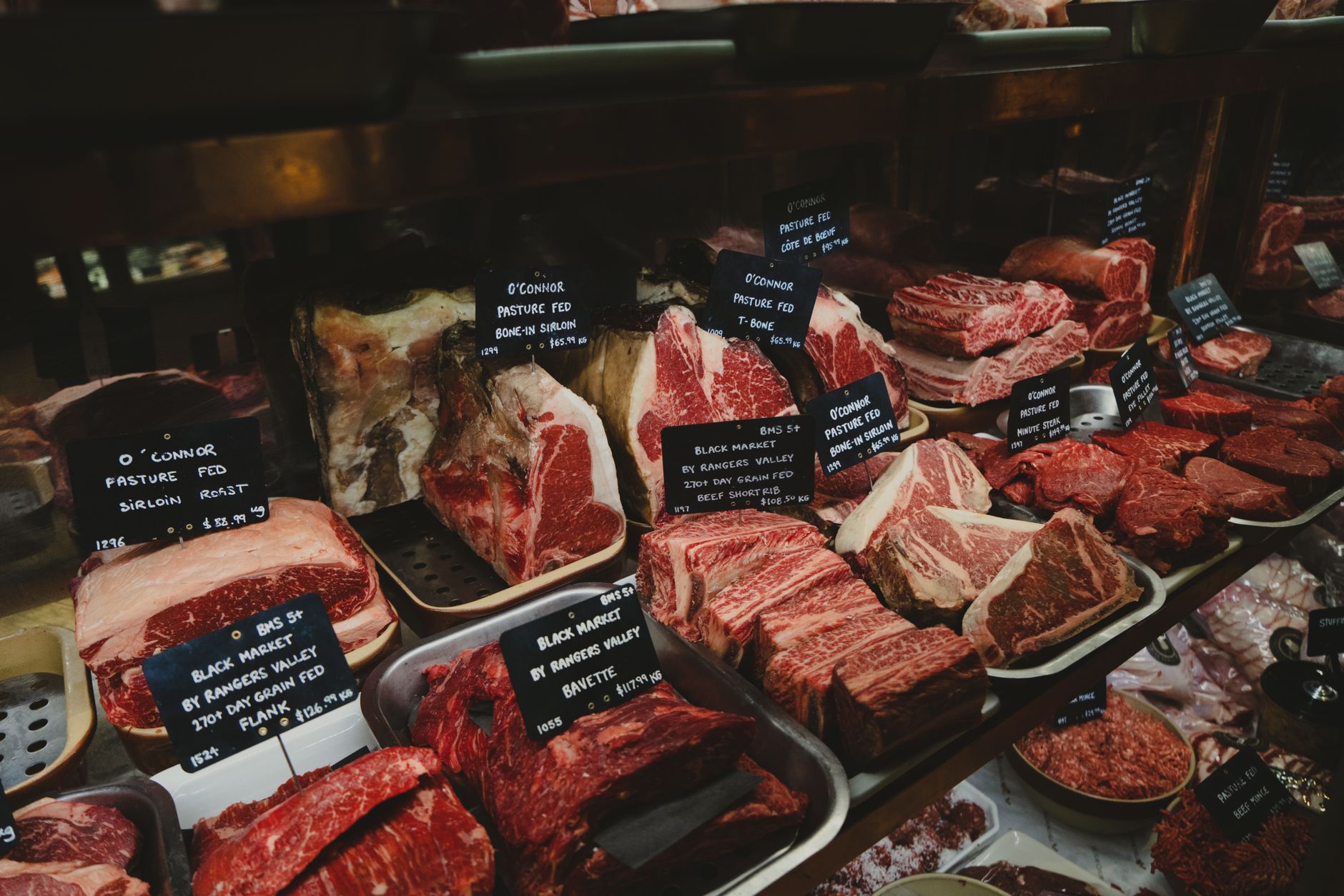
Source calves from USDA-certified breeders within Texas—Angus/Hereford crosses average $2.85/lb weaned. Lock in processing slots early: Central Texas USDA facilities book 8-12 months out at $1.25/lb hanging weight. Use Farmigo for cold-chain logistics to Austin homes at $0.28/mile.
6. Marketing & Customer Acquisition
Build a 500-person waitlist before first slaughter—offer $25 referral bonuses for shares sold. Target Austin CrossFit gyms (37 locations) and pediatric nutritionists with free samples. Grass-fed converts pay 2.9x more for traceability claims.
Year 1 Marketing Budget
Total $30K / year
Ready When You Are
Download Grass Fed Beef Business Plan
Just Fill Up and Print
| Channel | Monthly Budget | Expected CAC | 90-Day Goal |
|---|---|---|---|
| Facebook/IG ads | $2,800 | $18.75 | 85 subscriptions |
| Farmers markets | $1,200 | $9.40 | 127 sample signups |
| Google Local | $650 | $6.20 | 72 inbound calls |
| CSA partnerships | $0 | $0 | 3 co-op deals |
| PR outreach | $300 | $0 | 2 media features |
| Yelp/Nextdoor | $450 | $22.10 | 31 online orders |
Dominate "grass fed beef Austin" searches—optimize Google Business Profile with USDA labels in photos. Film 30-second grazing reels for IG Reels (algorithm favors farm content). Partner with ATX Food Guides for "know your rancher" features.
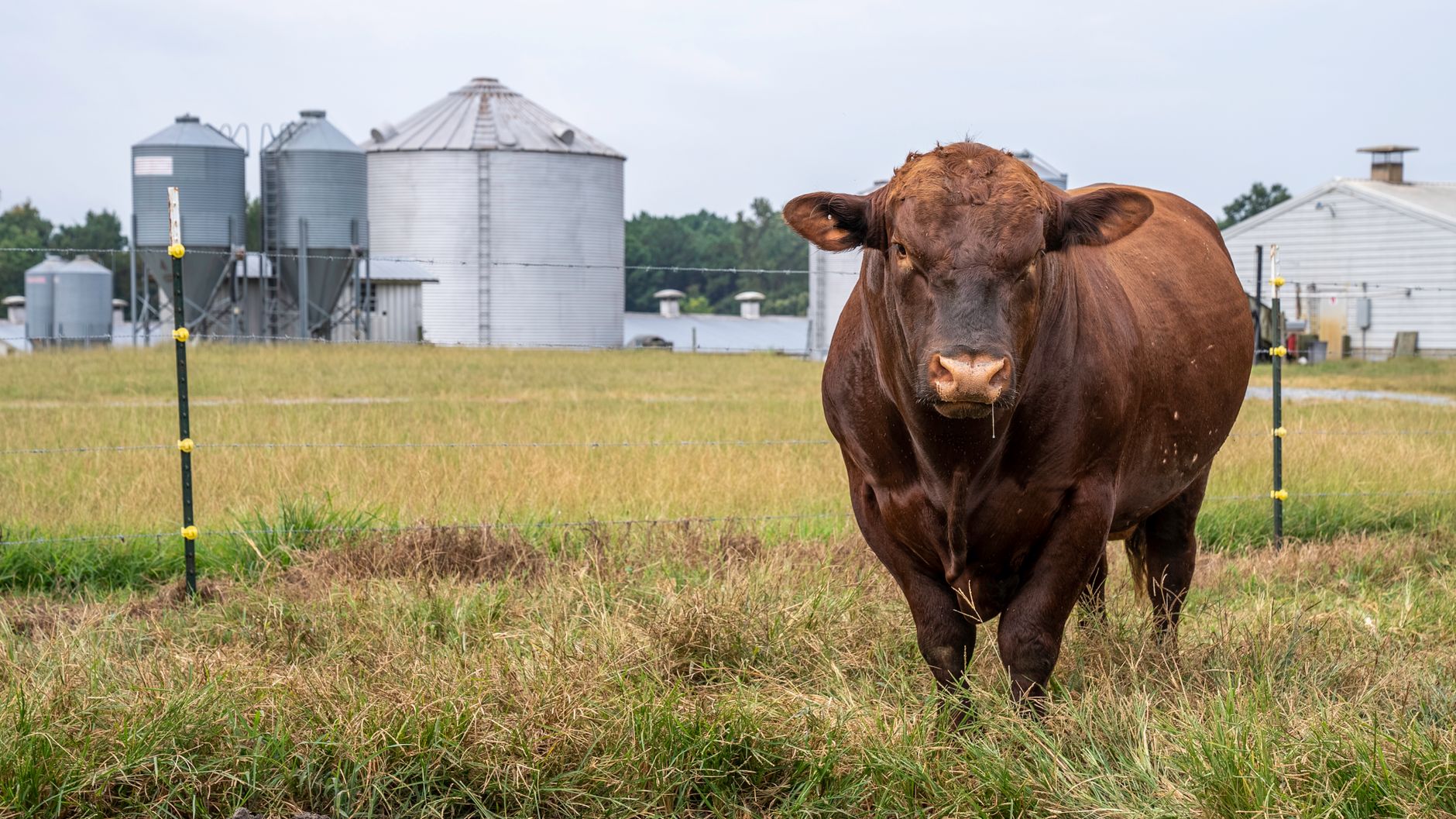
Launch with a "whole cow" event at Mueller Farmers Market—sell 1/8 shares (50 lbs) at $9.85/lb with free delivery. Offer butcher demos and bring the actual steers. Convert 12% of attendees to annual subscriptions.
7. Day-to-Day Operations
Open at 6:30AM for livestock checks (water pH at 6.5-7.2, 28lbs feed/head/day). Processing peaks 9AM-11AM when USDA inspectors arrive. Close by 7PM after reconciling cuts: expect 55-60% yield from a 1,200lb steer. Miss a morning weight check and you'll lose $18.50/head/day in conversion efficiency.
| Role | FTE | Hourly | Schedule | Key Responsibilities |
|---|---|---|---|---|
| Ranch Hand | 1.5 | $18.00 | 6:30AM-3PM | Pasture rotation, feed mixing, fence repairs |
| Butcher | 0.5 | $24.50 | 8AM-12PM | Primals breakdown, vacuum sealing, cold storage |
| Sales Lead | 1 | $20.00 | 10AM-7PM | Farmer's markets, CSA deliveries, wholesale accounts |
Standard operating procedures: Weekly microbial swab tests (target <100 CFU/cm²), 28-day dry aging log, and mandatory USDA label compliance. Customer service rule: 24hr response time for orders, 100% traceability from pasture to plate.
Tech stack: Square for POS (2.6% + $0.10/transaction), Granular for pasture management ($149/mo), QuickBooks for accounting. Pro tip: RFID ear tags cost $3.50/head but reduce sorting labor by 17 hours/week.
Daily KPIs: $1,164 revenue target (Year 1), labor under 22% of sales, 19 customers/day at $61.26 avg ticket. Fall below 58% gross margin for 3 straight days? Audit your feed costs—Austin hay prices swing 38% seasonally.
8. Financial Planning & Funding
Launching a grass-fed beef operation requires $288,000 on average, split between $100,800 in equity and $187,200 in loans. Your cash flow will look like a slow drip for 9 months before breaking even—plan for it. Revenue scales from $425,000 in Year 1 to $1,509,000 by Year 5, but only if you nail the gross margin target of 62%.
Recommended Funding Mix
$288K total capitalization
Year 1 Monthly Cash Flow
Net monthly cash flow (red = pre-break-even)
Year 1 revenue targets $425,000, Year 2 $659,000, and Year 3 $935,000. These numbers assume you’re selling direct-to-consumer at $12/lb hanging weight and moving 35,400 lbs in Year 1. Miss the premium pricing? The math collapses.
5-Year Revenue Potential
Projected revenue if you execute the plan
| Source | Amount | Terms | Best For |
|---|---|---|---|
| SBA 7(a) | Up to $150K | 10-year @ 6.5% | Land/equipment |
| Personal savings | Varies | N/A | Bootstrapping |
| Microloan | Up to $50K | 5-year @ 8% | Working capital |
| Friends & family | Varies | Negotiable | Early-stage gap |
| Equipment financing | Up to $250K | 7-year @ 7% | Coolers/trucks |
Apply for an SBA loan first—it’s the cheapest capital you’ll find.
9. Common Mistakes & Pro Tips
83% of grass-fed beef startups fail within 18 months. The killers? Cash flow miscalculations and assuming customers will pay more without proof. Here’s how to dodge the bullets.
| Mistake | Impact | How to Avoid |
|---|---|---|
| Underestimating processing bottlenecks | Inventory sits unprocessed for weeks | Book slaughter dates 6+ months early |
| Using grass-fed claims without documentation | Forced relabeling or fines | Maintain diet/traceability records |
| Competing on commodity pricing | Margins collapse below 40% | Sell direct, emphasize premium branding |
| Launching without enough working capital | Cash runs out before first sale | Raise 1.5x your estimated cycle cost |
| Ignoring customer education | Low repeat purchase rates | Explain sourcing, taste, welfare upfront |
- Test demand with a pop-up butcher shop before buying cattle
- Negotiate USDA processing slots when booking—they’re 3x cheaper than custom
- Label every package with the farm’s GPS coordinates for transparency
- Charge 15-20% more than conventional beef—your costs demand it
- Bundle ground beef with premium cuts to move inventory
- Buy hay in June when prices dip 22% seasonally
- Use Shopify for online sales—butcher shops convert 37% better than farmers markets
- DNA-test your herd—Angus hybrids fetch $1.18/lb more at auction
The window is open. Draft your business plan this week, secure $100K in funding within 90 days, and lock a processor by month 4. Grass-fed beef isn’t a side hustle—it’s a capital-intensive operation that rewards those who move fast.
Research & Startup Resources
The following government guides, industry reports, and startup resources were referenced in this grass fed beef launch guide. Each link points to a specific page for direct access.
- United States Grass Fed Beef Market — mordorintelligence.com — Industry research for starting a grass fed beef business
- Grass Fed Beef Market — futuremarketinsights.com — Industry research for starting a grass fed beef business
- Grass Fed Beef Market 118602 — businessresearchinsights.com — Industry research for starting a grass fed beef business
- Grass Fed Beef Market — persistencemarketresearch.com — Industry research for starting a grass fed beef business
- United States — deepmarketinsights.com — Industry research for starting a grass fed beef business
Get Your Copy Today
Download Grass Fed Beef Business Plan
Just Fill Up and Print