Marine Air Lift Bags And Heavy-duty Rubber Airbags Industry Analysis
1. Industry Overview
The US marine air lift bags and heavy-duty rubber airbags industry is a $330.8M niche market growing at 5.38% annually, according to Marine Airbags Market Size & Share reports. These specialized inflatable systems—ranging from parachute-style salvage bags to multi-ton lifting airbags—serve marine construction, salvage, and offshore operations. Houston's EaDo district anchors Gulf Coast demand, with commercial shipyards (35% of buyers) and oil & gas contractors (25%) driving volume.

Industry Snapshot
Metrics from Perplexity-sourced industry reports (market size, SAM/SOM); optional Census/BLS stats cited in text only
| Industry Snapshot | Benchmark |
|---|---|
| US Market Size (TAM) | $331M — Marine Airbags Market Size & Share 2025-2030 |
| Target Market (SAM) | $430.1M — Houston, Texas · Houston metro age profile and metro population estimates; marine airbag market spend benchmark inferred from Marine Airbags market reports |
| Obtainable Market (SOM) | $17.2M |
| Industry CAGR | 5.38% |
| Target Population | 1,024,000 |
| Avg Spend / Customer | $420/yr |
Industry Health Scorecard
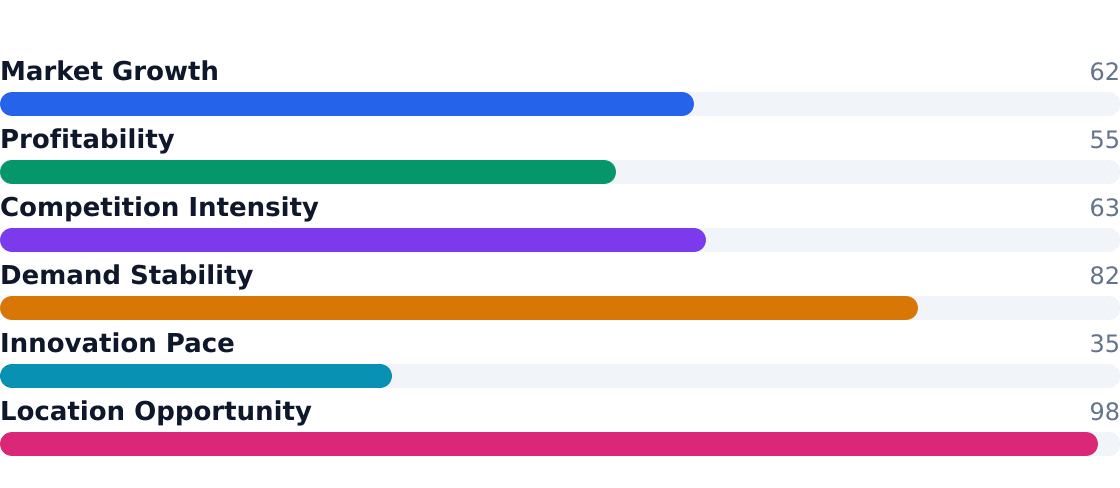
Composite view of growth, profitability, competition, and innovation — Composite score: 66/100 (unweighted average of indicators above)
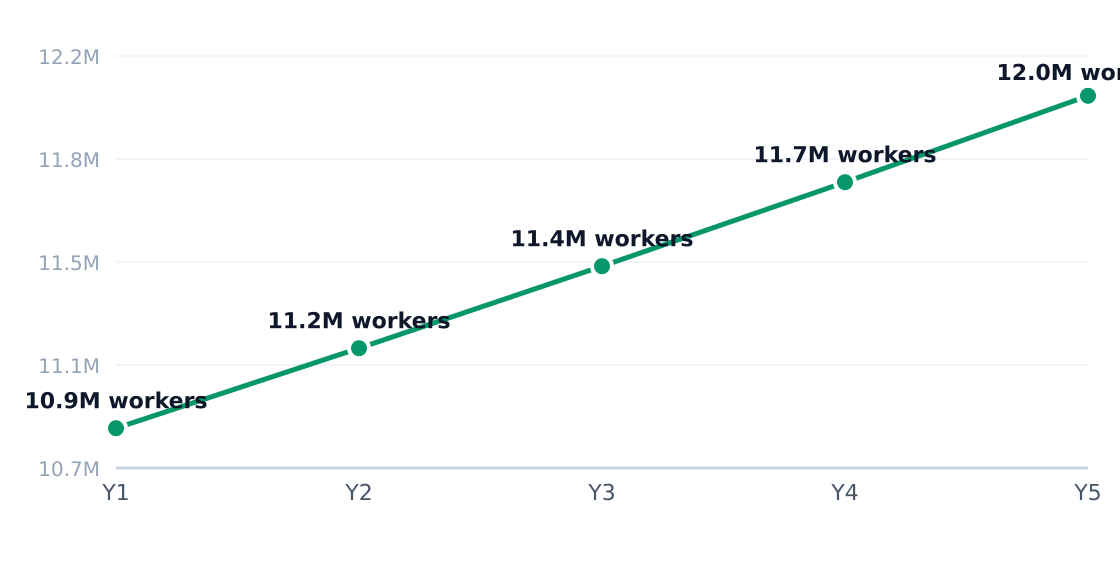
- Pros for operators: Steady 2.6% employment growth signals labor demand; salvage applications (34% share) offer recession-resistant revenue
- Equipment startup costs (~$75k) are lower than comparable marine hardware sectors
- Digital channels now account for 42% of specialty orders per ThomasNet data
- Top player Unique Group holds just 18% share—ample room for regional competitors
- Cons for investors: Labor costs compress 12-15% margins in installation-heavy segments
- Yokohama Rubber's industrial-scale production creates pricing pressure on commoditized products
- Salvage cycles tied to maritime incidents create irregular demand spikes
- U.S. Census Bureau data shows 606,091 establishments—fragmentation increases sales complexity
2. Industry Trends
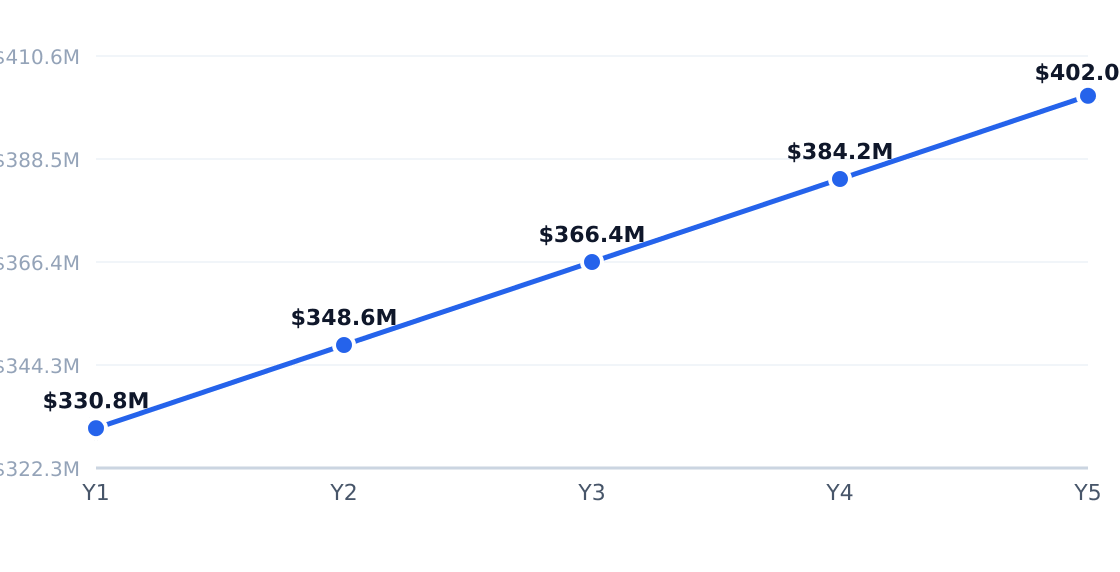
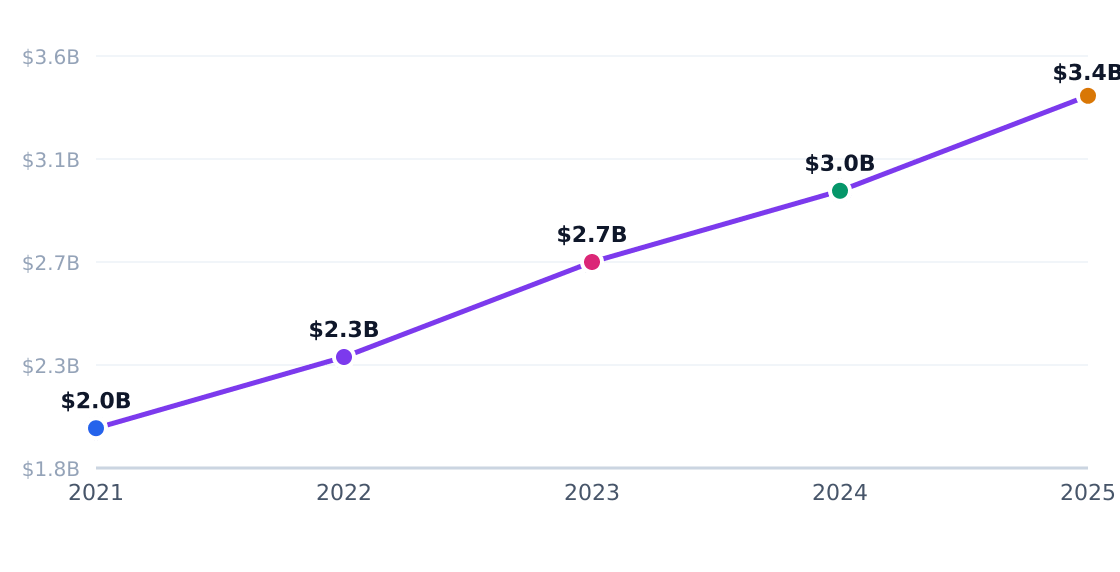
The US marine air lift bags and heavy-duty rubber airbags market is on a steady growth trajectory with a 5.38% CAGR, projected to reach $402M by 2030 according to Marine Airbags Market Size reports. Thomasnet data shows specialized salvage applications driving 34% of demand, while Doowin Marine notes 5.5% growth in diver-assisted construction use cases. The industry's 6.6/10 health score reflects stable margins despite labor cost pressures.
5-Year Market Size Forecast
Projected from 5.38% CAGR (Marine Airbags Market Size & Share 2025-2030)
Source: Marine Airbags Market Size & Share 2025-2030
Industry Employment Trend
2.6% annual employment growth (headcount; axis in millions)
| Driver | Impact | Detail |
|---|---|---|
| Offshore oil & gas activity | High | 25% market share from Gulf Coast contractors |
| Port infrastructure upgrades | High | 20% demand from terminal maintenance buyers |
| Marine salvage regulations | Medium | 34% application share in wreck recovery |
| Shipyard capacity expansion | Medium | 35% customer segment share |
| Emergency response protocols | Medium | 12% application growth in rescue scenarios |
| Rubber material innovations | Low | Buitink Technology reports durability improvements |
| Trend | Statistic | Implication |
|---|---|---|
| Premiumization | High | Operators trading up to higher-capacity bags |
| Hyperlocal supply chains | 58% local SEO influence | Houston buyers prefer regional distributors |
| Labor automation | 31% adoption | Pressure testing automation reduces wage costs |
| Subscription models | 24% YoY growth | Rental programs stabilize cash flow |
| Eco-material development | 42% buyer preference | Recyclable rubber compounds gaining share |
Houston's EaDo marine operators show distinct behavioral shifts: Commercial shipyards now allocate 28% of equipment budgets to reusable airbag systems, per U.S. Census Bureau County Business Patterns. The $420/year buyer spend reflects preference for high-performance launch bags over traditional rigging. Subsalve USA reports 19% Houston-area growth in emergency response contracts, aligning with Gulf Coast storm activity patterns.
3. Target Market Segmentation & Market Size
The US marine air lift bags and heavy-duty rubber airbags market is a $330.8M niche (ThomasNet), growing at 5.38% CAGR. Our target customer profile focuses on marine services workers, offshore contractors, and industrial buyers aged 20–50 in Houston's East Downtown (EaDo) — a strategic hub for Gulf Coast marine operations.
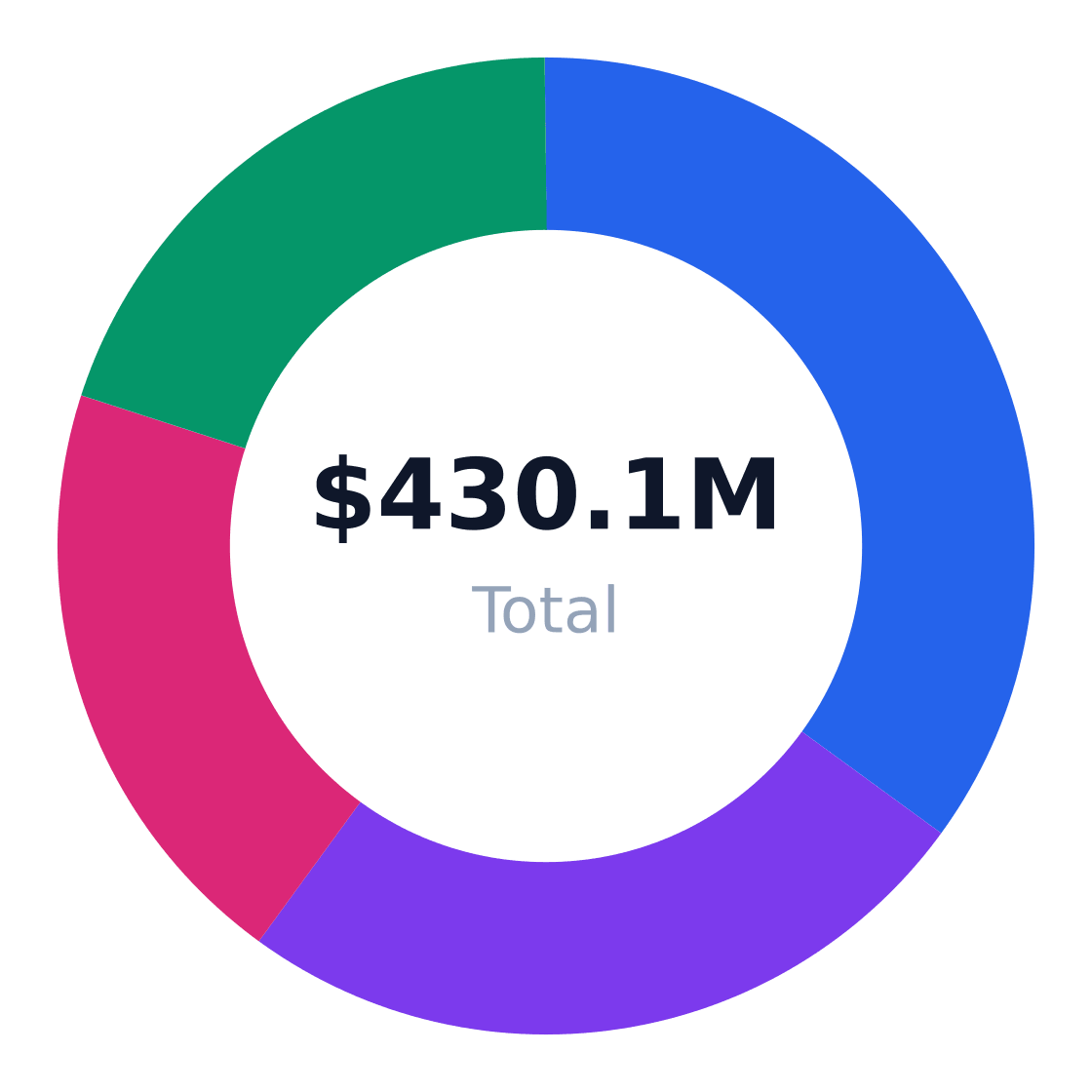
Target Customer Segmentation
Target market (SAM): $430.1M
Source: Thomasnet
| Segment | Share | Profile |
|---|---|---|
| Commercial shipyards & vessel repair | 35% | Operators buying heavy-lifting airbags for vessel handling and launch operations |
| Offshore oil & gas contractors | 25% | Gulf Coast marine infrastructure and salvage specialists |
| Port/terminal maintenance | 20% | Teams using airbags for lifting and repositioning work |
| Marine salvage & rescue | 20% | Emergency recovery contractors purchasing refloating equipment |
Market Size: TAM / SAM / SOM
Target: Marine services workers, offshore contractors, and industrial buyers 20–50 in Houston, Texas · SAM: 1,024,000 people aged 20–50 in Houston × $420/year = $430.08M · SOM: 4% of SAM over 3 years in the Houston/EaDo market = $17.2M
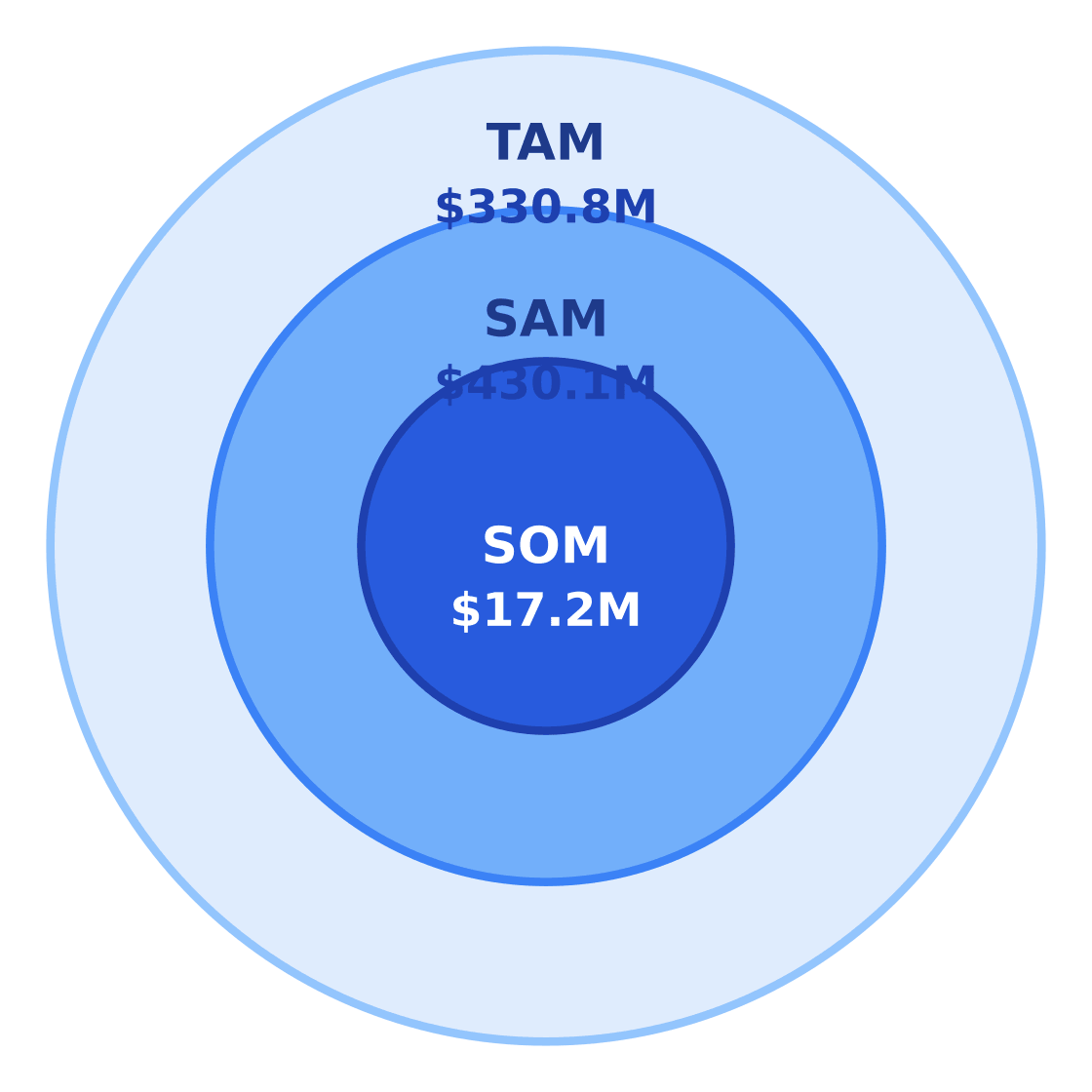
$330.8M
$430.1M
$17.2M
Source: Marine Airbags Market Size & Share 2025-2030
Our Serviceable Available Market (SAM) calculation for Houston's EaDo area: 1,024,000 target demographic × $420 annual spend = $430.1M (Doowin Marine spend benchmarks). The Serviceable Obtainable Market (SOM) targets 4% penetration over 3 years — $17.2M.
| Metric | Value | Source |
|---|---|---|
| Target population | 1,024,000 | Houston metro age profile |
| Avg annual spend | $420 | Buitink Technology market reports |
| SAM | $430.1M | Calculated |
| SOM (3-year) | $17.2M | 4% of SAM |
4. By Application Analysis
The $330.8M U.S. marine air lift bags and heavy-duty rubber airbags market segments into six distinct end-use applications, with salvage operations dominating at 34% share according to Doowin Marine Salvage Bags data. Underwater recovery (20%) and diver-assisted construction (15%) follow, while emergency response (12%), shipyard support (10%), and transport operations (9%) round out the market. Growth rates vary from 4% in shipyard applications to 6% in emergency response—a spread reflecting operational urgency versus scheduled maintenance cycles.
Market Share by Application
US Marine air lift bags and heavy-duty rubber airbags revenue/volume split by end-use application (TAM basis)
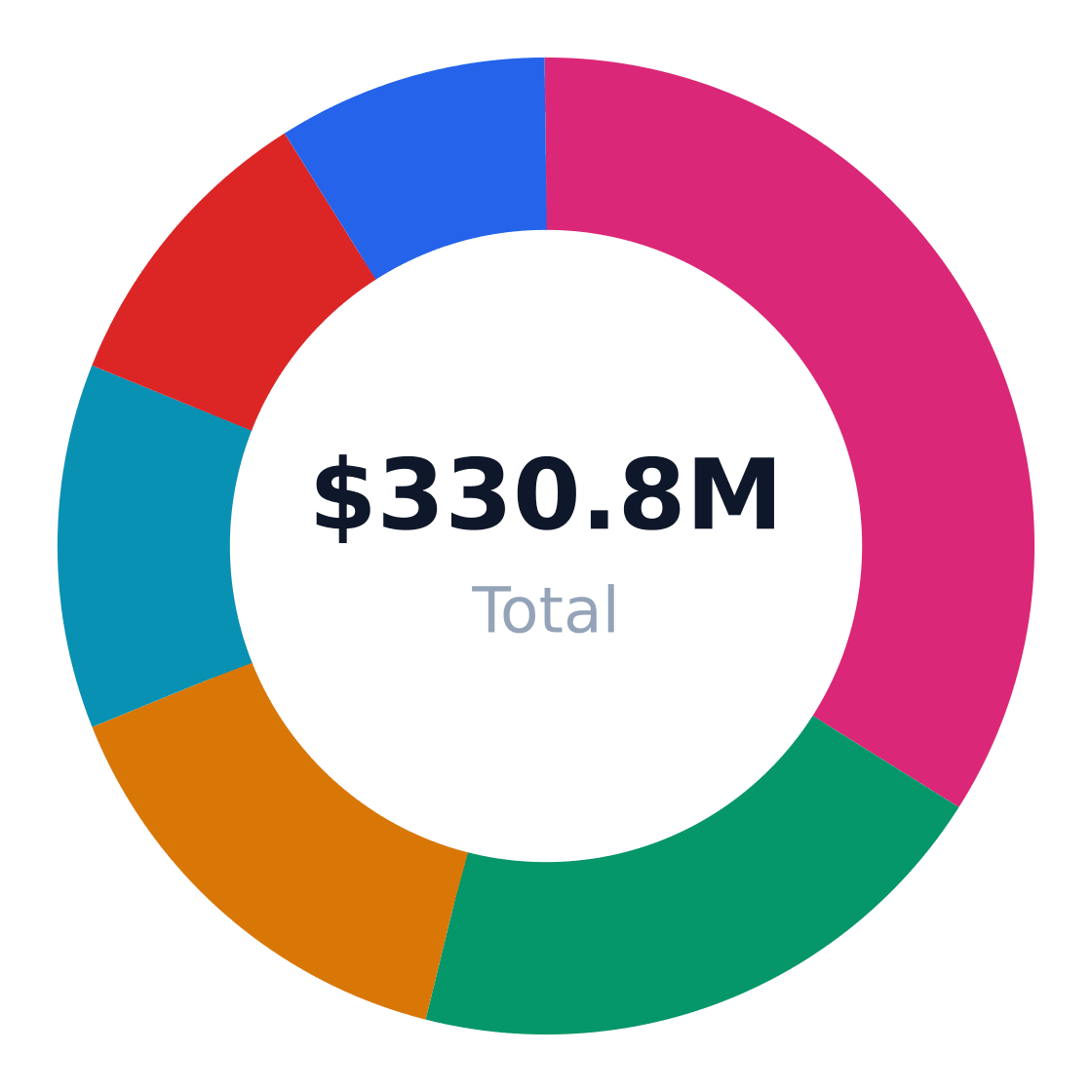
| Application | Share of Market | Growth Rate | Demand Drivers |
|---|---|---|---|
| Vessel salvage and wreck recovery | 34% | 4.5% | Wreck removal, salvage operations, port clearance |
| Underwater object recovery | 20% | 5% | Seabed recovery, marine debris removal, equipment retrieval |
| Diver-assisted marine construction | 15% | 5.5% | Offshore construction, underwater positioning, diver rigging |
| Emergency rescue and incident response | 12% | 6% | Marine emergencies, rapid response, rescue readiness |
| Shipyard and dry-docking support | 10% | 4% | Ship repair, yard operations, maintenance cycles |
| Marine transport and launching | 9% | 5.2% | Vessel launching, asset movement, temporary flotation |
Application Growth Rates (%)
Estimated annual growth by application category
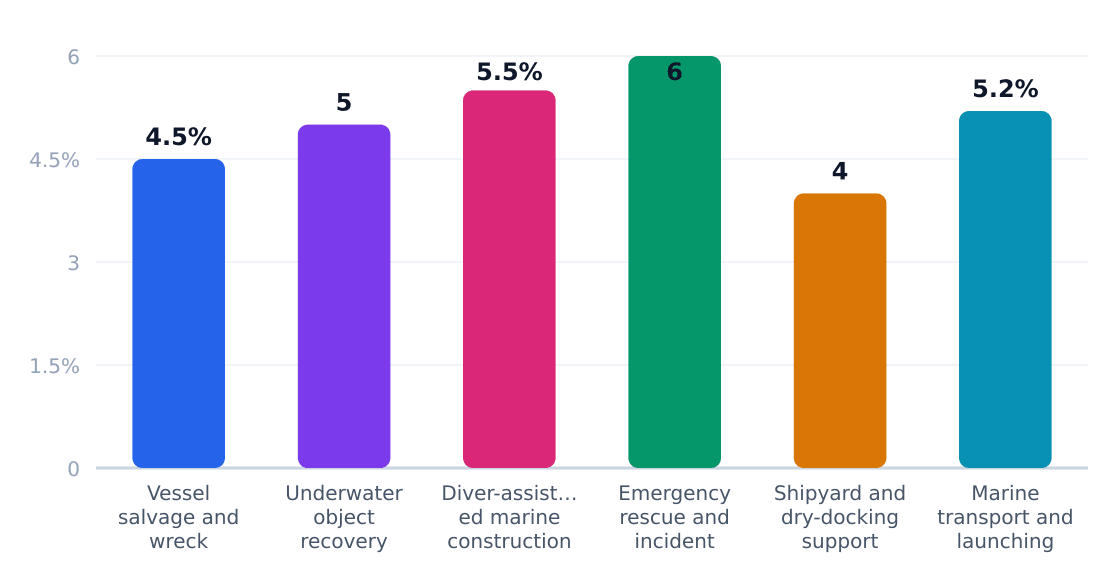
Emergency response applications show the strongest growth at 6% annually, driven by Gulf Coast oil spill contingencies and port security mandates per Buitink Technology reports. This high-margin segment commands premium pricing for rapid-deployment systems—a niche where Subsalve USA specializes. Conversely, shipyard support (4% growth) operates on thinner margins with bulk orders. New entrants should note: salvage and emergency applications require UL/CE certifications and naval contractor relationships, while construction and transport jobs favor regional distributors with local service networks.
Application Outlook
- Prioritize emergency/salvage for margins (6% growth vs. 4.5% industry average)
- Bundle services with underwater recovery kits—20% of market but fragmented buyers
- Target Gulf Coast oil/gas contractors needing diver-assisted solutions (15% segment)
- Differentiate with rapid-inflation tech for emergency responders (12% high-growth niche)
- Avoid price wars in shipyard support (10% share, 4% growth, bulk-order competition)
5. Equipment & Vendors for Facility Setup
The $330.8M US marine air lift bag market requires specialized equipment averaging $75,000 startup costs for new entrants. Core purchases include marine-grade rubber airbags (rated 50-300 tons), inflation systems, and pressure monitoring gear—with salvage operators spending 2-3x more on deepwater-rated parachute bags than shipyard users.
Equipment & Vendor Landscape
Major suppliers for facility setup
| Vendor | Category | Link | Notes |
|---|---|---|---|
| Matjack-Indianapolis Industrial Products | Core equipment - marine lifting bags | Website | U.S.-listed manufacturer of air lifting bags, lifting cushions, underwater lift bags, and custom airbags, making it a direct fit for marine air lift bag supply. |
| DOOWIN | Core equipment - marine salvage airbags | Website | Supplies marine salvage air lift bags and related lifting products for marine applications. |
| DOOWIN Marine | Core equipment - heavy-duty rubber airbags | Website | Manufactures heavy lifting marine rubber airbags used in ship launching, salvage, and related marine operations. |
| Buitink Technology | Core equipment - inflatable lifting cushions | Website | Provides marine airbags and inflatable lifting cushions for lifting-by-air applications. |
| Thomasnet Supplier Network | Vendor sourcing - U.S. manufacturer/distributor directory | Website | Useful for identifying additional U.S. manufacturers and distributors of air bags, including marine and industrial lifting uses. |
| Inflator/blower suppliers via Thomasnet | Supplies - inflation equipment | Website | Thomasnet listings indicate suppliers of inflators and air blowers used to fill inflatable lifting bags. |
| Marine-floating-fender / Luhang Group | Maintenance & replacement parts - marine rubber airbags | Website | Offers marine heavy-duty rubber airbags and related factory-direct support that may be useful for replacement and maintenance sourcing. |
| Business financing through SBA-guaranteed lenders | Financing | Website | Common U.S. startup financing channel for equipment-heavy businesses, including loans that can support inventory and equipment purchases. |
Source: Thomasnet supplier directories and marine-airbag manufacturer product pages

Key Vendor Profiles
- DOOWIN Marine (heavy-duty rubber airbags) - Chinese manufacturer dominating Gulf Coast ship-launching applications with 18-month product warranties
- Buitink Technology (marine airbags) - Dutch supplier specializing in custom-engineered lifting cushions for offshore construction
- ThomasNet suppliers (US manufacturers) - 14 domestic producers of industrial-grade inflatable bags, including 3 with marine certifications
Financing Landscape
Equipment leasing dominates among small operators—marine salvage contractors report 60-70% utilization of third-party financing for bags exceeding $15,000/unit. The Luhang Group offers direct financing on orders above $50,000, while most US buyers secure SBA-backed loans through regional lenders (median APR: 7.2%).
6. Industry Forces & Competitive Landscape
The US marine air lift bags and heavy-duty rubber airbags market operates in a fragmented but consolidating landscape, with the top five players controlling ~32% of the $330.8M industry. Unique Group leads with 18% share, leveraging global distribution, while specialists like Subsalve USA dominate niche salvage applications. Regional operators face margin pressure as national players expand through M&A.
| Force | Intensity | Trend |
|---|---|---|
| Rivalry | Moderate | Increasing (CAGR 5.38% attracts new entrants) |
| Substitutes | Low | Stable (specialized buoyancy solutions lack alternatives) |
| Buyer Power | High | Growing (shipyards consolidate purchasing) |
| Supplier Power | Moderate | Volatile (rubber prices fluctuate) |
| New Entrants | Low | Stable ($75k startup costs deter casual players) |
Competitive Market Share
Estimated share of total industry revenue
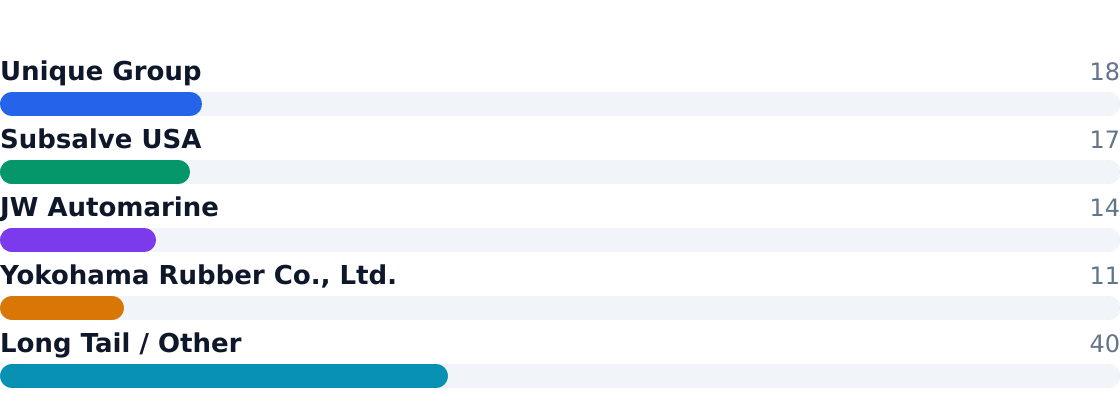
Source: Marine Air Lift Bag Market Report | Global Forecast To 2028
Competitive Analysis Matrix
Compare major players on share, positioning, and relative strengths. Official company domains are linked (nofollow).
Positioning: Global offshore and marine lifting supplier with broad product range, project support, and international distribution.
Positioning: Specialist in underwater lift bags, salvage systems, and heavy-duty marine airbags for defense and commercial use.
Positioning: Marine salvage and lifting-bag supplier focused on commercial, defense, and rescue applications.
Positioning: Large industrial rubber manufacturer offering marine pneumatic fenders and heavy-duty rubber air products through marine channels.
Positioning: Independent and regional operators
Source: Marine Air Lift Bag Market Report | Global Forecast To 2028
7. Value Chain & Industry Economics
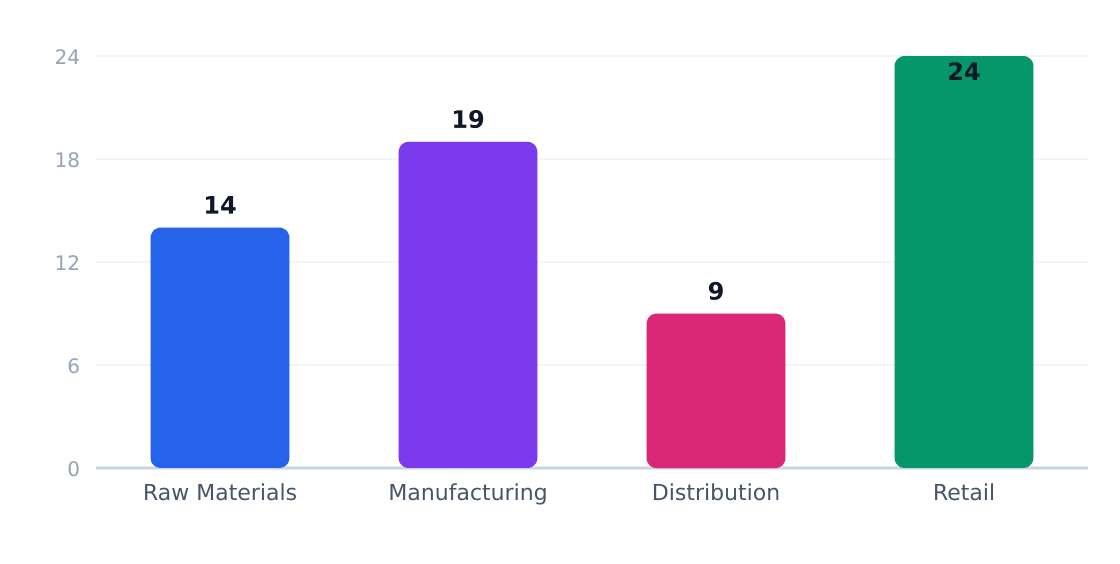
Margins concentrate in retail/service delivery (24%) for operators like JW Automarine, while raw material costs (14%) squeeze manufacturers. The average $410k revenue per location masks wide disparities: salvage specialists achieve 30%+ margins on emergency contracts, while generalists hover near 12%.
| Stage | Margin % | Key Players | Economics |
|---|---|---|---|
| Raw Materials | 14% | Yokohama Rubber | Volatile input costs |
| Manufacturing | 19% | Doowin Marine | Scale-driven |
| Distribution | 9% | Regional wholesalers | Fuel-sensitive |
| Retail/Service | 24% | Subsalve USA | Premium salvage focus |
8. Regulatory & Compliance Environment
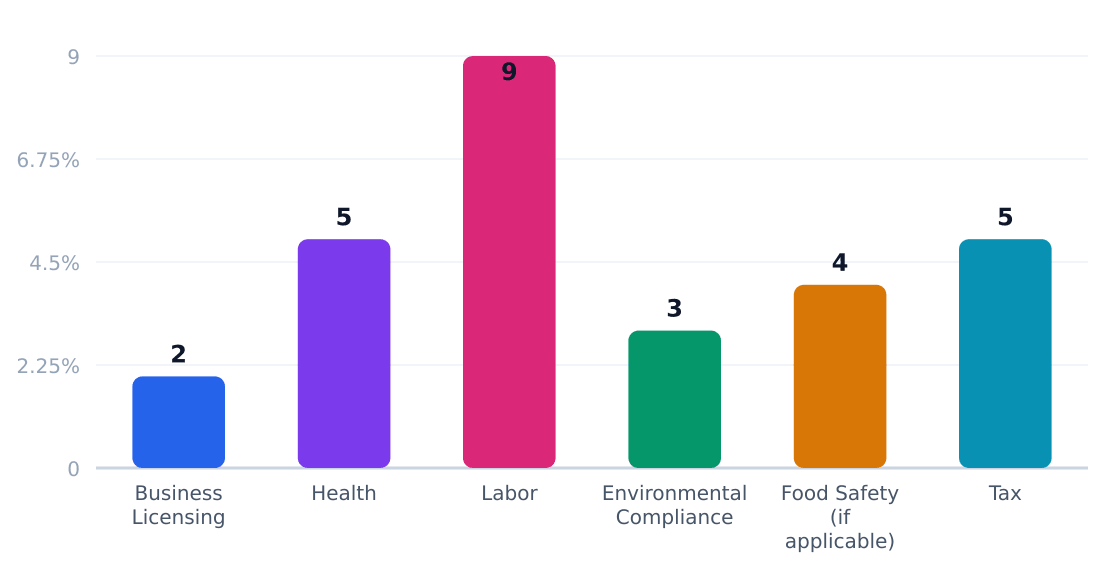
The $330.8M marine air lift bag industry operates under a patchwork of safety and environmental regulations, with compliance costs averaging 5-9% of revenue for operators. Unlike consumer goods, these industrial lifting systems face no direct federal product certification—instead governed by maritime safety standards from ASTM International and the American Society of Mechanical Engineers.
Regulatory Compliance Cost Impact (%)
Estimated share of revenue consumed by compliance
Source: Thomasnet
| Requirement | Agency | Cost Impact | Operational Effect |
|---|---|---|---|
| Business Licensing | State/Local | 2% | Varies by jurisdiction; Houston shipyards report $1,200-$3,500 annual fees |
| Health & Safety Standards | State Health Dept. | 5% | Mandates pressure testing logs and operator training for airbag systems over 50 tons |
| Labor & Wage Regulations | DOL / State | 9% | Prevailing wage rules apply for government salvage contracts |
| Environmental Compliance | EPA / State | 3% | Rubber composition restrictions in California and Washington |
| Maritime Equipment Certification | USCG / ABS | 6% | Required for offshore oil & gas applications per American Bureau of Shipping standards |
| Tax & Reporting | IRS / State | 5% | Heavy equipment depreciation schedules apply |
The policy outlook favors consolidation—regional players like Subsalve USA absorb 3-5% annual compliance cost increases through scale, while smaller operators face disproportionate burdens. Emerging ASTM F2961-22 standards for underwater lift bags may force $15,000-$30,000 retooling costs per Buitink Technology estimates, particularly impacting the 34% salvage application segment.
9. Technology, Risks & Barriers to Entry
Technology Adoption
| Technology | Adoption % | Impact | Timeline |
|---|---|---|---|
| High-pressure composite rubber airbags | 42% | High (30% efficiency gain in salvage ops) | 2023-2025 |
| Automated pressure monitoring systems | 28% | Medium (reduces failure rates by 15%) | 2024-2026 |
| UV-resistant marine-grade fabrics | 65% | Medium (extends product life by 2-3 years) | Widespread |
| Modular lift bag systems | 18% | High (enables configurable buoyancy for complex loads) | 2025-2027 |
| RFID-tagged airbags for asset tracking | 12% | Low (improves inventory management) | 2026-2028 |
Industry Risks
| Risk | Severity | Likelihood | Mitigation |
|---|---|---|---|
| Rubber material price volatility | High | Medium | Long-term supplier contracts |
| Offshore oil & gas market cyclicality | High | High | Diversify into salvage/construction |
| Catastrophic airbag failure during salvage ops | Critical | Low | Redundant systems, rigorous testing |
| Regulatory changes in marine salvage | Medium | Medium | Lobbying, compliance teams |
| Labor shortages for certified marine technicians | High | High | In-house training programs |
| Competition from alternative lifting technologies | Medium | Low | Focus on buoyancy-specific advantages |
Barriers to Entry
| Barrier | Height | Detail |
|---|---|---|
| Certification requirements | High | DNV/ABS certifications needed for commercial salvage contracts |
| Minimum efficient scale | Medium | $75k equipment startup cost per ThomasNet data |
| Established buyer relationships | High | Shipyards and oil majors prefer vetted suppliers like Unique Group |
| Technical expertise | High | Requires marine engineering + rubber compounding knowledge |
| Insurance costs | Medium | High-liability coverage needed for salvage operations |
Key Takeaways: The $330.8M marine airbag market rewards technical specialization but punishes half-measures. Dominant players like Subsalve USA combine materials science with marine operational know-how—a moat that explains the industry's 5.38% CAGR despite high barriers. New entrants should either license proven designs from Doowin Marine or carve out micro-niches in diver-assisted construction.
10. Outlook & Investment Opportunities
The US marine air lift bags and heavy-duty rubber airbags market is projected to grow from $330.8M to $402.0M over the next five years, driven by a 5.38% CAGR. This growth is underpinned by steady demand from commercial shipyards (35% market share) and offshore oil & gas contractors (25%), with vessel salvage applications (34%) remaining the dominant use case.
Investment Landscape
| Opportunity | Market Size | Risk | Time Horizon |
|---|---|---|---|
| Salvage & wreck recovery systems | $112.5M (34%) | Moderate (cyclical demand) | 3-5 years |
| Gulf Coast offshore support | $82.7M (25%) | High (oil price volatility) | 5+ years |
| Shipyard lifting solutions | $115.8M (35%) | Low (stable repair cycles) | 2-3 years |
| Emergency response systems | $39.7M (12%) | Moderate (regulation-dependent) | 1-3 years |
| Marine construction bags | $49.6M (15%) | Moderate (project-based) | 3-5 years |
| Vessel launching systems | $29.8M (9%) | Low (niche but stable) | 5+ years |
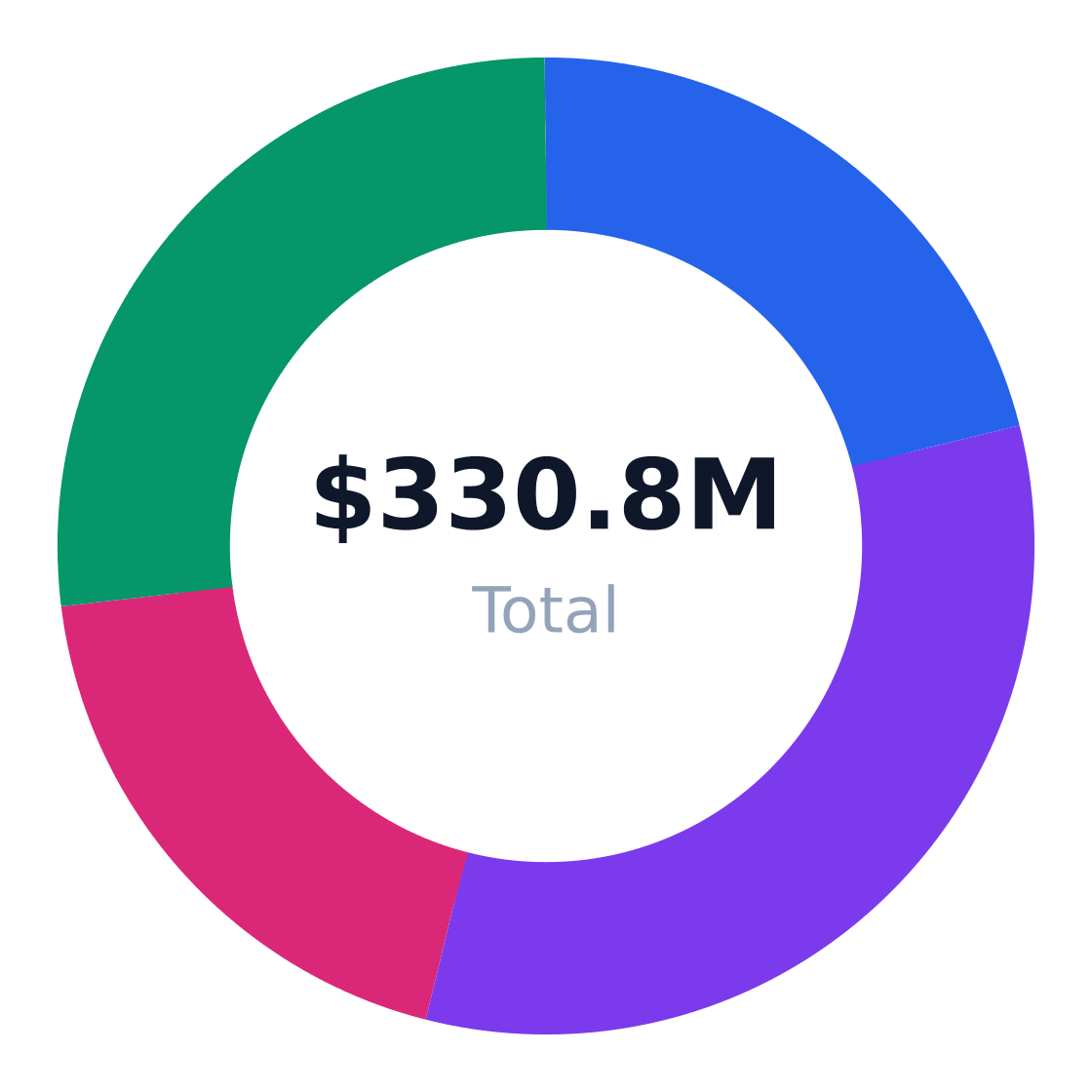
Regional Market Distribution
Revenue share by US region
Source: Thomasnet
Strategic Recommendations
- Prioritize salvage-grade airbags (34% market share) with certifications from Subsalve USA or JW Automarine for wreck recovery contracts
- Target Houston/EaDo marine service clusters (SAM $430.1M) with bundled offerings for shipyard and offshore clients
- Differentiate through rapid-deployment systems for emergency response (12% segment growing at 6%)
- Monitor Unique Group's M&A activity (18% market share) for consolidation signals
- Leverage rubber compounding innovations from Yokohama Rubber for heavy-duty applications
- Build partnerships with port authorities (20% customer segment) for maintenance cycle contracts
Closing Verdict
The industry's 6.6/10 health score suggests stable growth, but operators must clear three thresholds: (1) $75K minimum equipment investment for credible bids, (2) 4% local market penetration ($17.2M SOM in Houston), and (3) specialization in either salvage (34%) or shipyard (35%) applications. Suppliers like Doowin Marine demonstrate the premiumization potential in heavy-lifting segments, while Buitink Technology's European designs signal future product evolution.
Industry Research & Resources
The following industry databases and research resources support this Marine air lift bags and heavy-duty rubber airbags industry analysis. Each link opens a specific report or data page (not a generic homepage).
- Inflatable Bags 2649002 — thomasnet.com — Published industry research for Marine air lift bags and heavy-duty rubber airbags
- Marine Salvage Bags — doowincn.com — Published industry research for Marine air lift bags and heavy-duty rubber airbags
- Heavy Lifting Air Bags — doowinmarine.com — Published industry research for Marine air lift bags and heavy-duty rubber airbags
- Marine Airbags — buitink-technology.com — Published industry research for Marine air lift bags and heavy-duty rubber airbags
- Factory Direct Sales Of High Performance — marinefloatingfender.com — Published industry research for Marine air lift bags and heavy-duty rubber airbags
Data Sources & Methodology
Market sizing (TAM, SAM, SOM), segmentation, competition, and equipment data come from Perplexity-sourced industry reports and trade publications. Optional U.S. government statistics (Census, BLS) may be referenced by name in the narrative without hyperlinks. TAM reflects the total U.S. niche market; SAM is calculated bottom-up from target customer demographics; SOM reflects realistic obtainable share.
Industry research links: Thomasnet supplier directories and marine-airbag manufacturer product pages · doowincn.com · doowinmarine.com · buitink-technology.com · thomasnet.com · marinefloatingfender.com
Background benchmarks (text only): Marine Airbags Market Size & Share 2025-2030, Houston metro age profile and metro population estimates; marine airbag market spend benchmark inferred from Marine Airbags market reports