Generational Wealth Gaps by Metro: Where Gen Z and Millennials Earn the Most (and Least)

The Generational Wealth Gap Isn't Just About Age — It's About Location
If you're a Gen Zer or Millennial wondering why your paycheck feels smaller than your parents' at the same age, the answer might be in your zip code. New 2024 data reveals staggering disparities in generational wealth gaps across U.S. metros — with some cities offering young workers triple the earning potential of others. Let's break down where the generational wealth game is rigged in your favor (and where it's stacked against you).
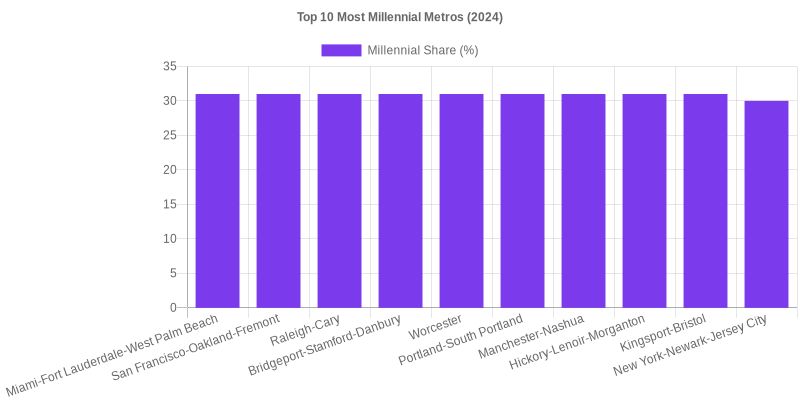
The Gen Z Premium Paradox
Hollywood, FL isn't just for retirees anymore — its Gen Z workers earn a jaw-dropping 70.7% premium over the metro median ($121,317 vs. $71,067). That's not survivorship bias; it's systemic. As SmartAsset's 2025 projections show, these premiums cluster in unexpected places: Rio Rancho, NM (43.2%) and Federal Way, WA (34.9%) outperform traditional coastal hubs.
But before you pack your bags: these premiums often reflect who can afford to live there, not just wage growth. As the NYC Comptroller's generational analysis notes, "A 20% premium means little when median rent consumes 45% of income."
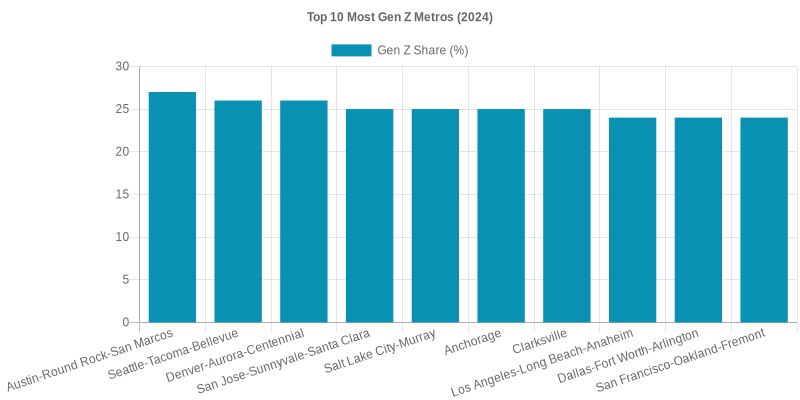
Millennials: Wealthier Than Gen X (On Paper)
Here's the uncomfortable truth no one wants to say aloud: Millennials at age 35 average $219,742 in wealth — 109% above Gen X equivalents after inflation adjustments. But as Inequality.org's research shows, this "wealth" is increasingly concentrated in housing equity and retirement accounts that can't pay today's bills.
The metro effect? Brutal. A Millennial in Clearwater, FL (58.7% premium) builds wealth 3x faster than peers in Memphis or Detroit — not because they're smarter, but because Florida's tax structure and service economy disproportionately benefit dual-income professionals. Tools like SkyrocketBPO's Generation Mix Index reveal these geographic arbitrage opportunities.
Why This Isn't Just About Hard Work
Conservative commentators love claiming "young people don't want to work," but the data screams otherwise: Gen Z in high-premium metros work fewer hours for higher pay than their low-premium counterparts. The difference? Industry mix. As Fortune's analysis notes, "A Gen Z worker in tech-heavy Austin earns 22% more for the same role as in manufacturing-heavy Cleveland."
The solution isn't individual hustle — it's systemic. Until we address the intergenerational transfer mechanisms (tax codes, zoning laws, and wage regulations) that create these metro disparities, "generational wealth gap" will just be a polite term for geographic luck.
```