Multigenerational Households Are Flat Nationally — But That's the Wrong Way to Read the Data

Multigenerational Households Are Flat Nationally — But That's the Wrong Way to Read the Data
If you’ve heard that multigenerational living in the U.S. has plateaued, I have bad news: you’ve been misled. The national share of households with multiple generations under one roof might look stable in a snapshot, but zoom out, and the trend is unmistakable. Since 1971, the share of Americans living in multigenerational homes has more than doubled, from 7% to 18%—a seismic shift hiding behind a headline statistic.
Why does this misreading persist? Because too many analysts treat national averages as the whole story. The reality is far more dynamic—and far more revealing about economic pressures, demographic changes, and regional disparities.
The Data They’re Missing
Start with the basics. The U.S. had 6.0 million multigenerational households in 2020, up from 5.1 million in 2010, according to the Census Bureau. That’s 7.2% of family households, a figure that seems modest until you realize it represents 59.7 million people—nearly one in five Americans. Compare that to 1971, when just 14.5 million lived this way.
Dig deeper, and the patterns get even sharper. Pew Research finds the rise is concentrated among younger adults, immigrants, and communities of color. For example, 26% of Asian Americans and 22% of Hispanic Americans live in multigenerational homes, versus just 12% of white Americans. This isn’t just cultural preference; it’s often economic necessity.
Why the National Number Lies
The “flatness” narrative relies on a statistical illusion. Yes, the national share wobbles year-to-year, but that ignores two critical factors:
1. Baseline shifts. The 1970s and 80s saw a historic decline in multigenerational living, driven by suburbanization and rising incomes. The rebound since then—especially post-2008—has been dramatic, but starting from a low point makes the trend look flatter than it is.
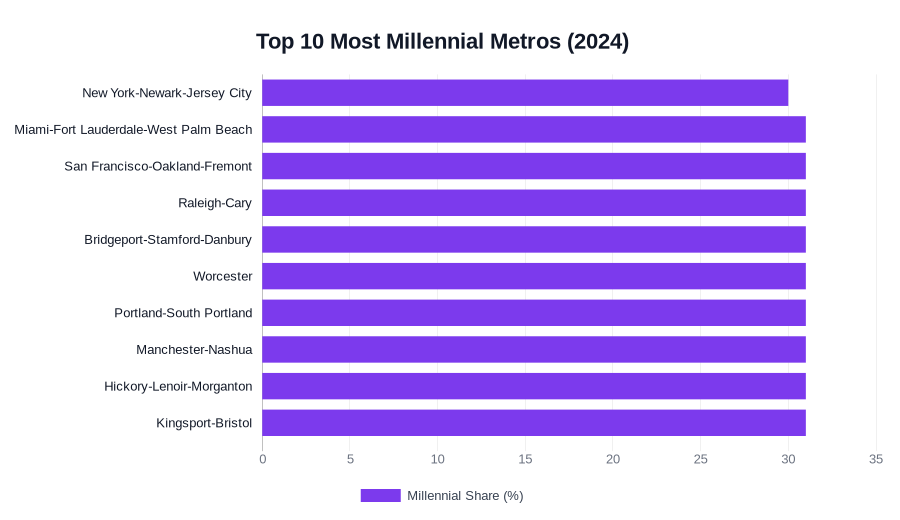
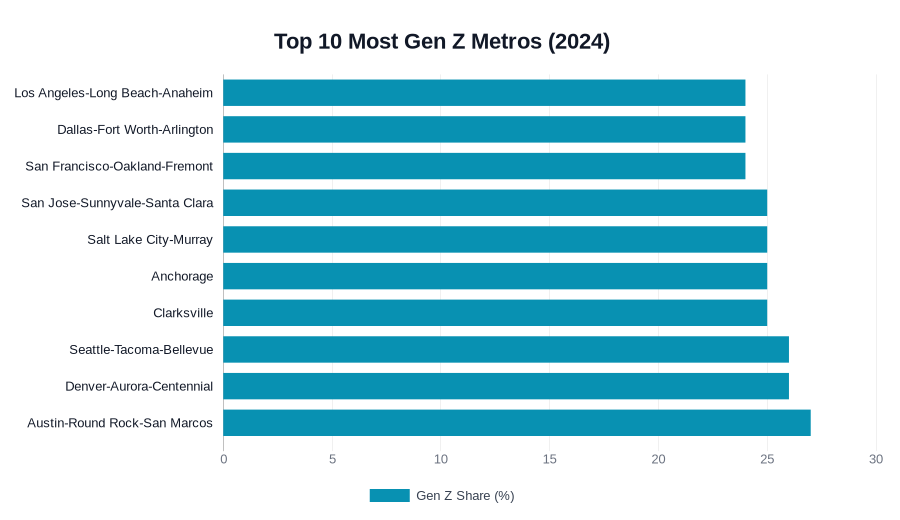
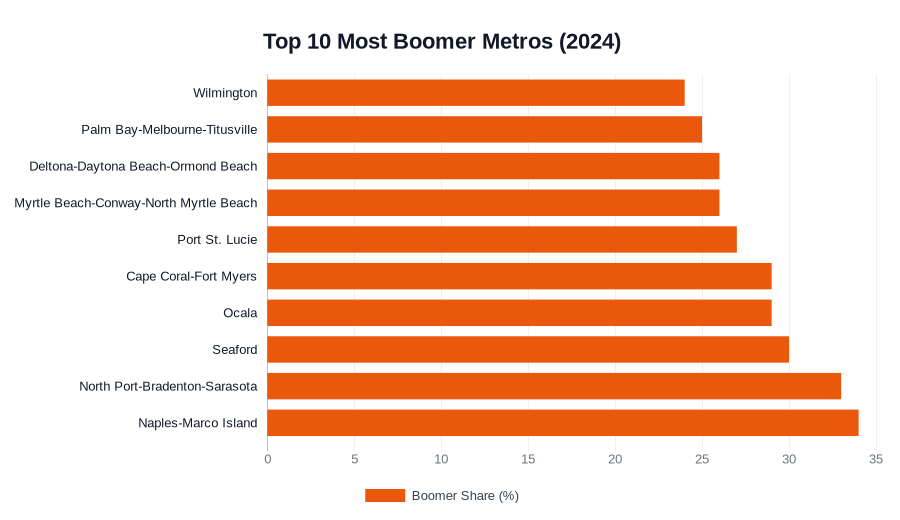
2. Geographic unevenness. As the charts above show, generational living patterns vary wildly by metro area. Some regions, like Miami or Los Angeles, have multigenerational rates twice the national average. Tools like the Household Shift Tracker reveal these disparities, which get washed out in top-line numbers.
The Stakes Are Higher Than You Think
This isn’t just an academic debate. Misreading the data leads to bad policy. If lawmakers assume multigenerational living is static, they’ll underinvest in housing solutions for extended families—like accessory dwelling units (ADUs) or zoning reforms. They’ll also miss how economic strain, from student debt to childcare costs, is forcing families to consolidate households.
Consider children: one study found 10% now live with grandparents or other relatives, a level not seen since the 1950s. That’s not nostalgia; it’s a coping mechanism for unaffordable housing and stagnant wages.
What Actually Matters
The rise of multigenerational households isn’t a footnote—it’s a central feature of modern American life. It reflects deeper forces: an aging population, delayed homeownership, and the erosion of the social safety net. Organizations like Generations United have documented how these arrangements provide critical support, especially for low-income families.
So next time someone claims multigenerational living is “flat,” ask for the long-term data. Then ask why they’re ignoring the millions of Americans for whom it’s the only way to survive.