Single-Serve vs. Multi-Serve: How to Use Metro-Level Household Size Data to Choose the Right Pack Format

Single-Serve vs. Multi-Serve: The Household Size Data You’re Missing
I’ve seen too many CPG brands default to national averages when choosing pack formats—and it’s costing them shelf space and margin. Here’s the reality: household size varies dramatically by metro, and that variation should drive your packaging strategy. If you’re not using granular data to match pack formats to local consumption patterns, you’re leaving money on the table.
Why Metro-Level Household Size Matters
The FDA’s labeling rules make this concrete: a package containing less than 200% of the Reference Amount Customarily Consumed (RACC) is treated as a single-serving container, while larger packages require multi-serving labeling (FDA 2023). But the real decision isn’t just about regulatory compliance—it’s about aligning with how people actually use your product.
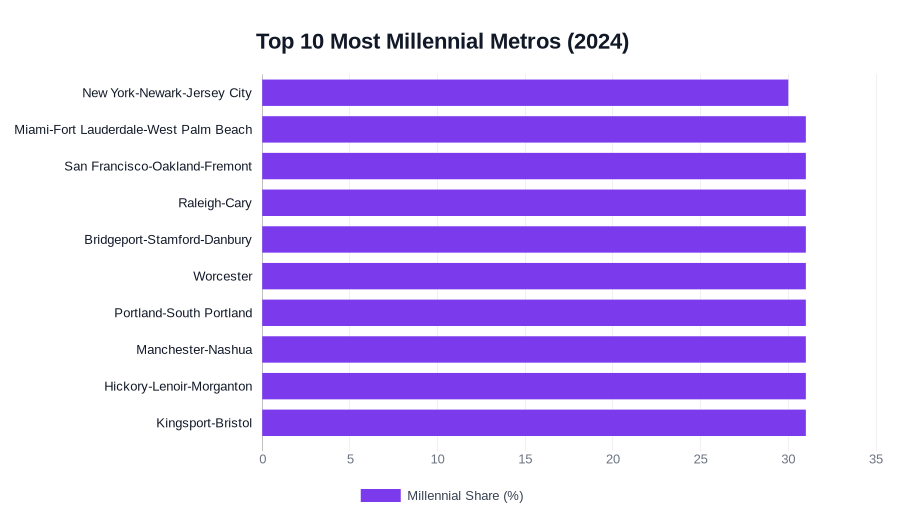
Take a metro like Seattle, where 44% of households are single-person. Here, single-serve packs aren’t just convenient—they reduce waste risk from unused portions in multi-serve containers. Contrast that with Houston, where 35% of households have 3+ people. A multi-serve format fits shared consumption patterns and avoids the per-unit cost penalty of single-serve (Ilyuk 2021).
The Behavioral Economics of Portion Perception
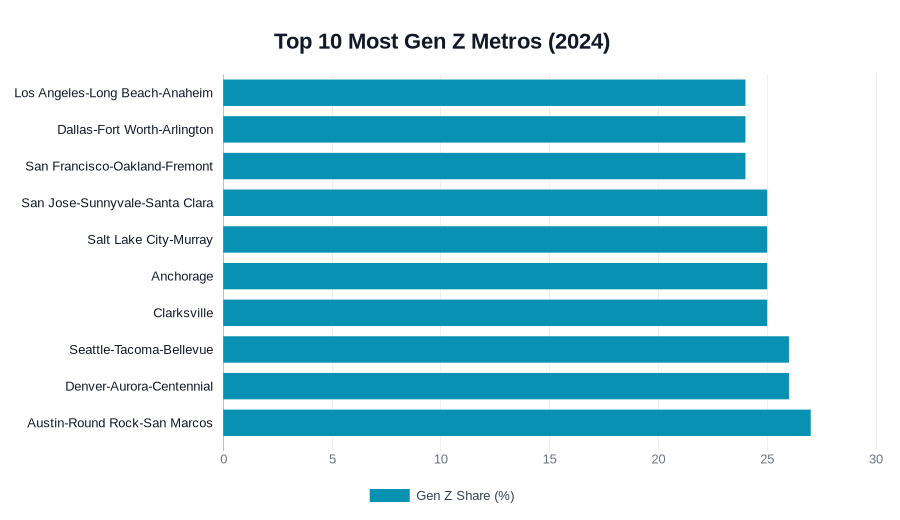
Here’s what most brands miss: research shows consumers perceive the same quantity as more satisfying when it comes in a single-serve package (Scott et al. 2015). This effect is strongest in high-impulse, on-the-go occasions—exactly the scenarios dominating metros with younger demographics.
A Decision Framework That Works
Forget national averages. Use tools like the Household Shift Tracker to segment markets by dominant household size, then apply these rules:
- 1–2 person households >40%: Prioritize single-serve and small multi-packs (think 4-count, not 12-count)
- 3+ person households >35%: Push multi-serve, club, and value sizes
- Mixed markets: Split assortments but weight shelf space to the local majority
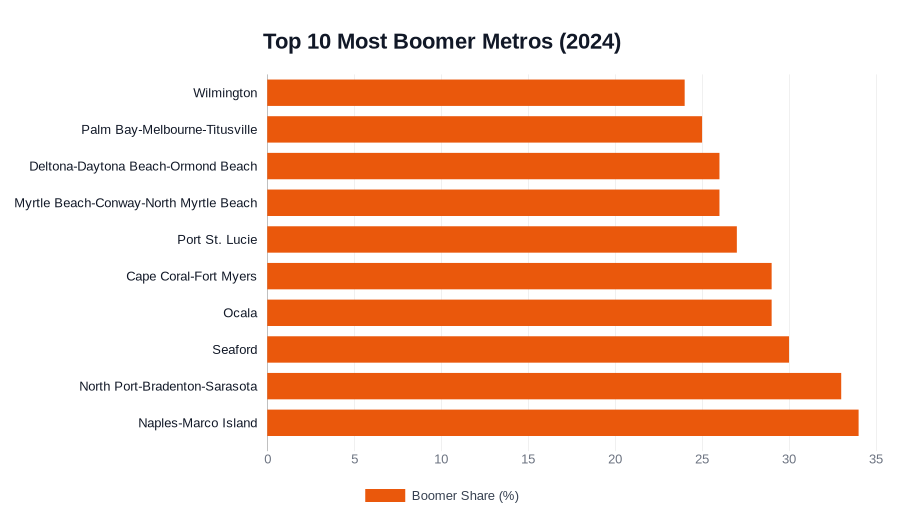
This isn’t theoretical. Beverage brands already use this approach to optimize SKU mixes by metro, with single-serve dominating in younger cities and multi-serve thriving in family-heavy markets (Packaging Strategies 2023). The same logic applies to snacks, condiments, and even frozen foods.
The Cost of Getting It Wrong
I’ve reviewed category data where brands lost 15–20% margin in high single-person metros by forcing multi-serve packs. The reverse is also true: single-serve formats in family-dense markets often underperform on both volume and per-unit profitability. The fix? Stop guessing. Use metro-level data, follow the FDA’s RACC framework, and let household size dictate your pack strategy. For deeper implementation guidance, Trustwell’s packaging guide offers a strong operational playbook.
This isn’t complicated. But it does require ditching one-size-fits-all thinking.