Sun Belt vs. Rust Belt: How Generational Demographics Are Reshaping America's Economic Divide

Sun Belt vs. Rust Belt: A Tale of Two Americas
The generational divide in America isn’t just about TikTok vs. Facebook or avocado toast vs. meatloaf. It’s reshaping the very geography of the U.S. economy. As a policy economist who’s dug into Census data and migration trends, I can tell you this: the Sun Belt and Rust Belt are on opposite trajectories, and generational demographics are at the heart of it. Let’s break it down. Din Ke BOli
The Rust Belt’s Loss, The Sun Belt’s Gain
Since the 1970s, the Rust Belt—think Ohio, Michigan, Pennsylvania—has been hemorrhaging population and economic vitality. Manufacturing jobs evaporated, and with them, young workers fled. From 1970 to 2020, the Rust Belt grew by a meager 19%, averaging just 3.5% per decade. Meanwhile, the Sun Belt—states like Texas, Florida, and Arizona—exploded with 119% growth, or 17% per decade. Why? Climate, affordable housing, and tech-driven industries pulled in retirees and younger generations alike.
But here’s the kicker: this migration isn’t just about warmer weather. It’s about opportunity. The Rust Belt’s brain drain has left it with older median ages and stagnant GDP growth, while the Sun Belt’s dynamic, diverse workforce fuels innovation and economic expansion.
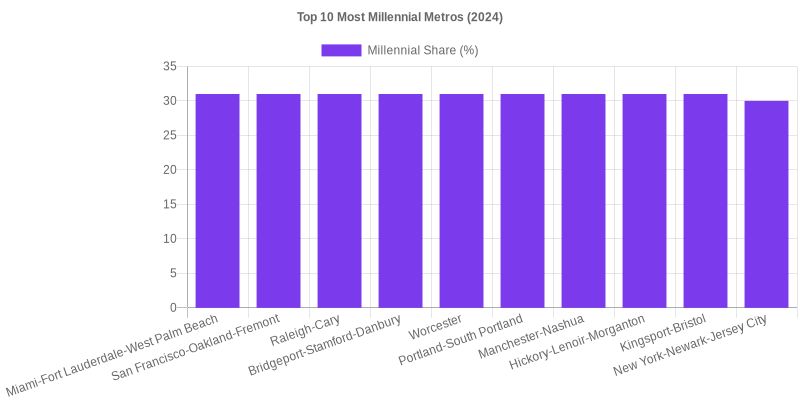
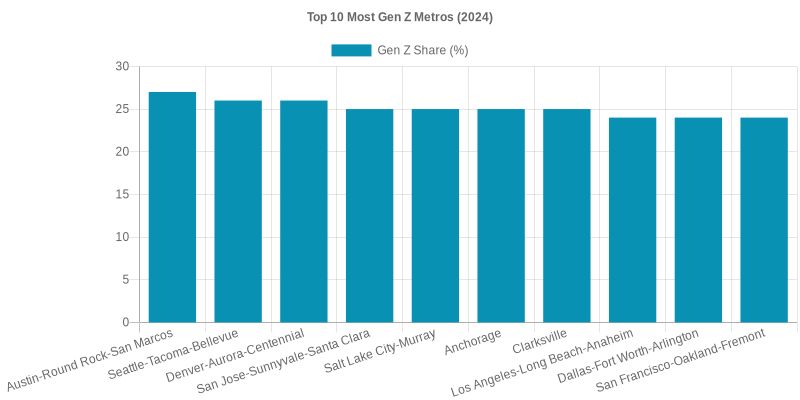
Generational Shifts Are the Game Changer
Millennials and Gen Z are flocking to the Sun Belt, drawn by amenities like remote work flexibility, vibrant urban centers, and a lower cost of living compared to coastal cities. Tools like the Generation Mix Index highlight how these younger cohorts are reshaping cities like Austin and Phoenix. Meanwhile, Rust Belt cities struggle to retain this demographic, exacerbating their economic challenges.
Recent Trends: A Slowdown or a Reversal?
The Sun Belt isn’t immune to challenges. Rising housing costs, extreme heat, and skyrocketing insurance rates are starting to cool its growth. Some analysts, like those at Chip Filson’s blog, even speculate about reverse migration. But let’s be clear: generational preferences and remote work aren’t going anywhere. The divide persists.
The Big Picture
This isn’t just a story of regional competition. It’s about America’s economic future. The Rust Belt’s struggles and the Sun Belt’s boom reflect deeper systemic issues—generational disparities, housing policy, and industrial evolution. As policymakers, we need to address these divides head-on. Because if we don’t, the gap will only widen.
For more on this, check out Study.com’s analysis or dive into the data on Wikipedia. The story of America’s economic divide is still unfolding, and generational demographics are writing the next chapter.