The College-Educated Metro Effect: Why the Bachelor's Degree Rate in a City's Census Data Is the Most Underused Signal for Clean-Label CPG Launches

The College-Educated Metro Effect
Why is the bachelor’s degree rate in a city’s Census data the most underused signal for clean-label CPG launches? Let’s break it down. I’ve spent years analyzing economic trends, and I can tell you that this metric is a goldmine for identifying markets ripe for premium, health-conscious products. Yet, many teams still rely on broad income or age filters, missing out on the nuanced insights educational attainment provides. Here’s why that needs to change.
First, college-educated households have significantly higher spending power. According to a Brookings study, graduate-degree earners spend more than twice as much on local goods and services compared to high school graduates. This isn’t just about disposable income—it’s about the kinds of products they prioritize, like clean-label CPG items that emphasize ingredient transparency and wellness.
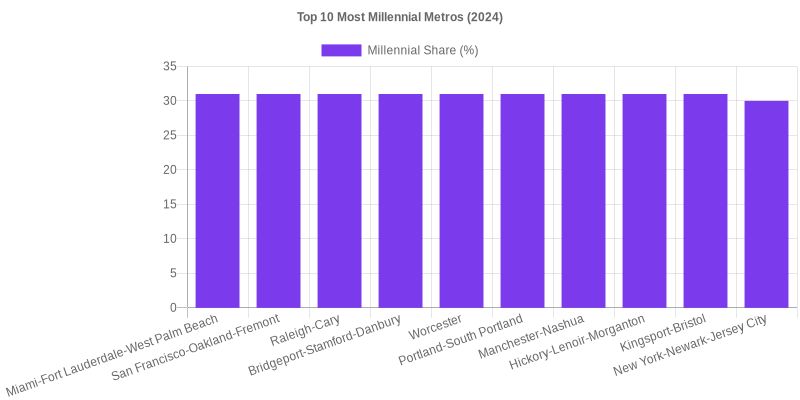
Metro Concentration Matters
Large American cities are hubs for highly educated workers. As research from the Philadelphia Fed shows, big metros disproportionately attract and retain college-educated residents. This creates dense, economically vibrant markets that are perfect for launching premium products. If you’re not using bachelor’s degree share to identify these areas, you’re likely overlooking some of the most promising opportunities.
Educational attainment also drives economic spillover effects. Cities with higher bachelor’s degree rates tend to have stronger local economies and tax bases, which supports sustained consumption of premium goods. These markets aren’t just transient—they’re built to last.
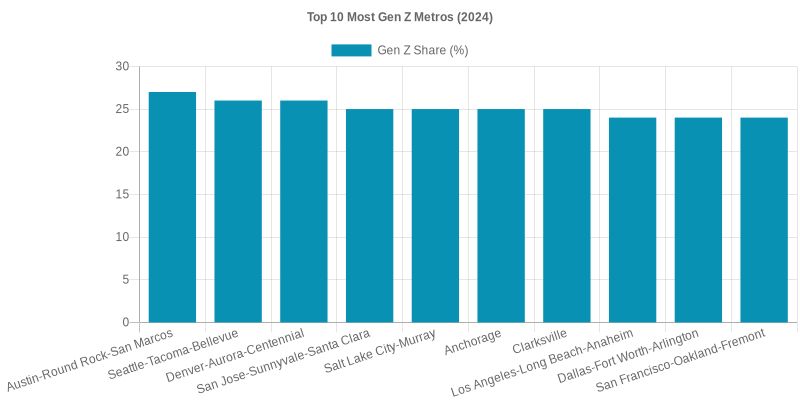
Retention and Clustering
One of the most overlooked aspects of the college-educated metro effect is retention. Educated residents often stay in or near the metro area after graduating, creating long-term demand patterns. As NACE research highlights, these graduates enter the workforce with higher earning potential and a preference for quality over quantity—key traits for clean-label CPG success.
So, how can you leverage this data? Start with a market-entry scorecard that incorporates educational attainment metrics. It’s a straightforward way to prioritize cities that align with your brand’s premium positioning and health-conscious ethos.
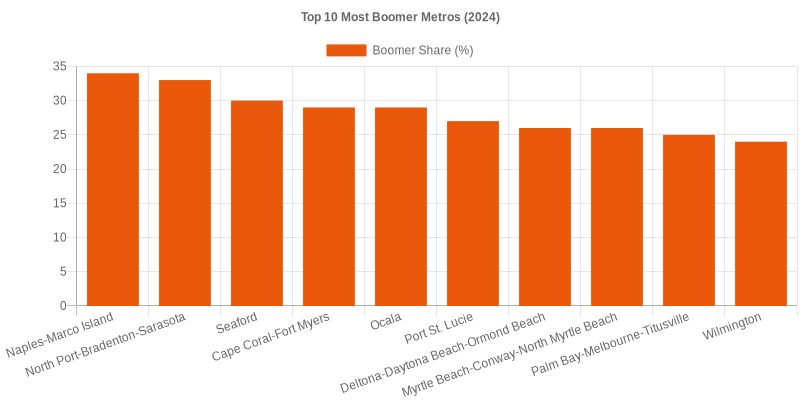
Why Clean-Label CPG?
For clean-label brands, the bachelor’s degree share is particularly valuable. These consumers are more likely to prioritize ingredient transparency, premium positioning, and health claims. While this is inferred from spending and education data—not explicitly stated in studies—it’s a logical conclusion given the demographics. If you’re launching a product that fits this niche, ignoring educational attainment is a missed opportunity.
In short, the bachelor’s degree rate isn’t just a number—it’s a lens into the economic and cultural dynamics of a city. If you’re serious about launching clean-label CPG products, this is one signal you can’t afford to ignore.