What a Decline in Married-Couple Households Means for Retail Site Selection in Mid-Sized US Cities

The Changing Face of Households in Mid-Sized Cities
I’ve spent years analyzing economic trends, and one of the most consequential shifts I’ve seen is the decline in married-couple households across mid-sized U.S. cities. Census data shows that married-couple households now make up just 47% of all households, down from 66% in 1975. This isn’t just a demographic footnote—it’s reshaping retail demand in ways that site selectors can’t afford to ignore.
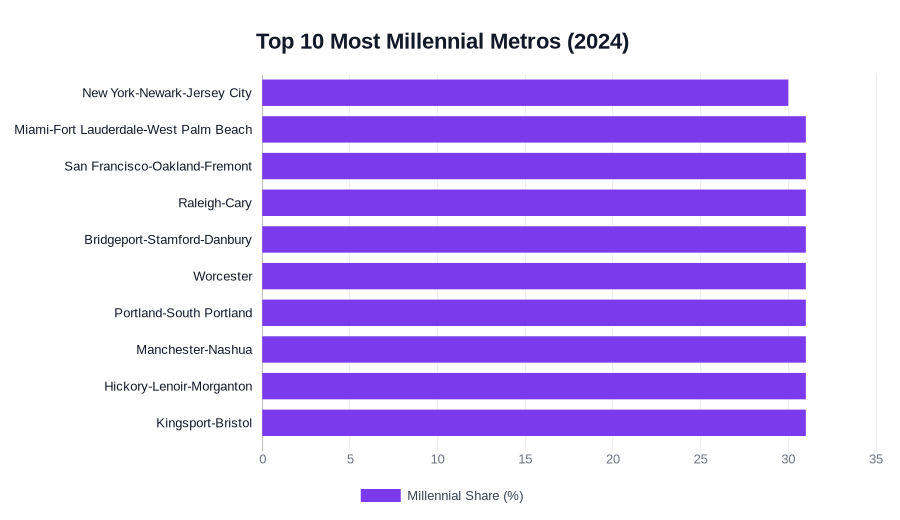
So, what does this mean for retail? For starters, household mix matters more than raw population growth. Cities are increasingly dominated by single-person, nonfamily, and smaller households, and retailers need to adapt. Tools like the Household Shift Tracker can help businesses stay ahead of these trends by identifying where and how these shifts are happening.
Why Shopping Patterns Are Shifting
The rise of one-person households is changing shopping habits. Data from Business Insider shows that nearly 28% of people in large U.S. cities now live alone. Smaller households mean smaller basket sizes but more frequent shopping trips. Convenience-oriented formats—think grocery-anchored centers and quick-service food—are thriving in this environment.
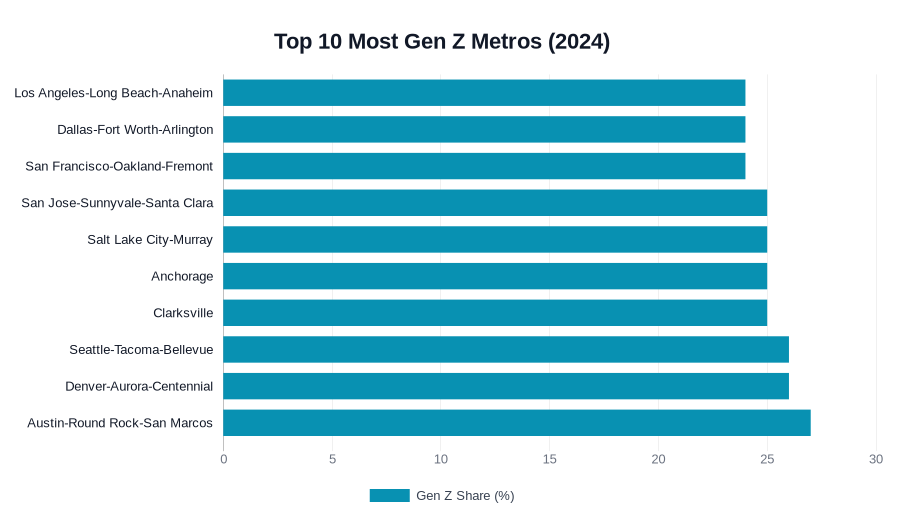
Mid-sized metros with strong middle-income populations still hold promise. As Brookings notes, these areas often attract unmarried adults who prioritize affordability and accessibility. But retailers need to rethink their formats. Highstreet and lifestyle centers in dense or affluent neighborhoods are becoming more relevant than sprawling suburban family hubs.
Practical Implications for Retailers
Here’s where the rubber meets the road. To succeed in this new landscape, retailers should prioritize convenience and frequency. Grocery stores, pharmacies, and personal services perform well in markets dominated by smaller households. Mixed-use and infill locations, particularly in downtowns and inner-ring suburbs, are also key, as they cater to high concentrations of renters and young adults.
It’s also critical to use household composition—not just income—in trade-area screening. A market with steady incomes but fewer married-with-children households may support different formats and product mixes. And finally, retailers should be cautious with large-format, family-oriented assumptions. Declining married-couple-with-children shares can weaken the case for oversized stores built around weekly family shopping patterns.
Conclusion: Reshaping, Not Retreating
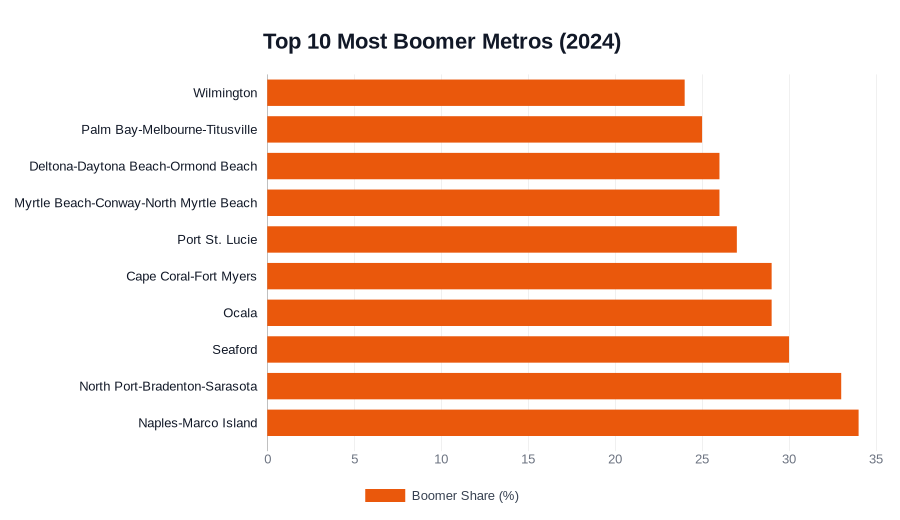
The decline in married-couple households doesn’t weaken retail demand—it reshapes it. Smaller baskets, more frequent visits, and formats that fit denser, more diverse household structures are the new norm. Retailers who adapt to these changes will find opportunities even as the demographic landscape evolves.
For businesses looking to navigate this shift, tools like the Household Shift Tracker are invaluable. And for those interested in diving deeper, I recommend exploring the work by Focus on the Family and Lincoln Institute of Land Policy for additional insights.