Why Asheville, NC Grew Faster in Household Size Than Any Other US Metro — And What Businesses Should Do About It

Why Asheville Grew Faster in Household Size Than Any Other U.S. Metro
Asheville, North Carolina, isn’t just growing—it’s growing differently. While many metros focus on population growth, Asheville has outpaced them all in household size expansion. This isn’t just about more people moving in; it’s about how those people are living. Smaller households, driven by retirees, young professionals, and remote workers, have reshaped the region’s demographics. And businesses need to pay attention.
Let’s start with the data. Asheville’s current household size is 2.43 persons per household, well below the national average of 2.6. This reflects a shift toward one- and two-person households, a trend that’s been accelerating for years. According to Buncombe County’s planning materials, growth isn’t confined to Asheville proper; it’s spilling into surrounding municipalities and unincorporated areas.
What’s Driving This Trend?
First, Asheville’s appeal spans generations. The city attracts retirees seeking a slower pace of life, young professionals drawn to its vibrant arts scene, and remote workers escaping pricier coastal metros. This diversity is reflected in household composition. 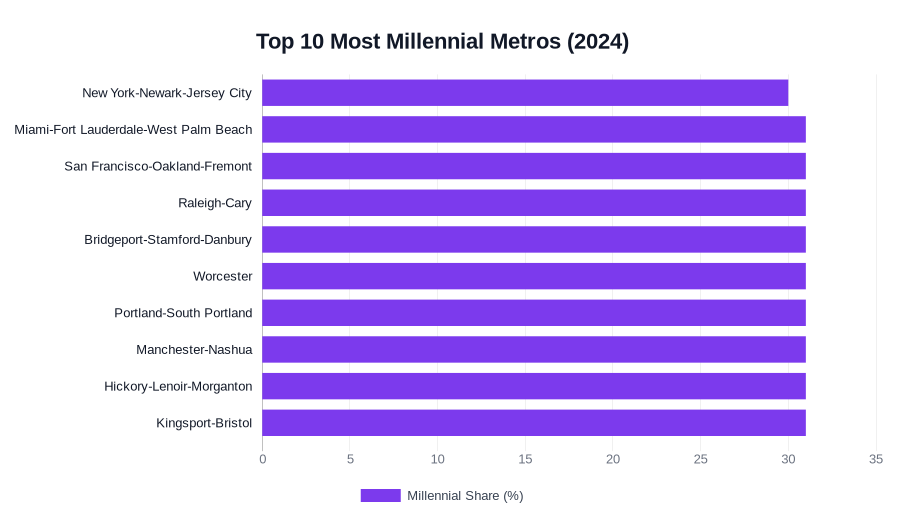 Asheville ranks among the Top 10 Most Millennial Metros, while also drawing in Boomers looking for a scenic retirement.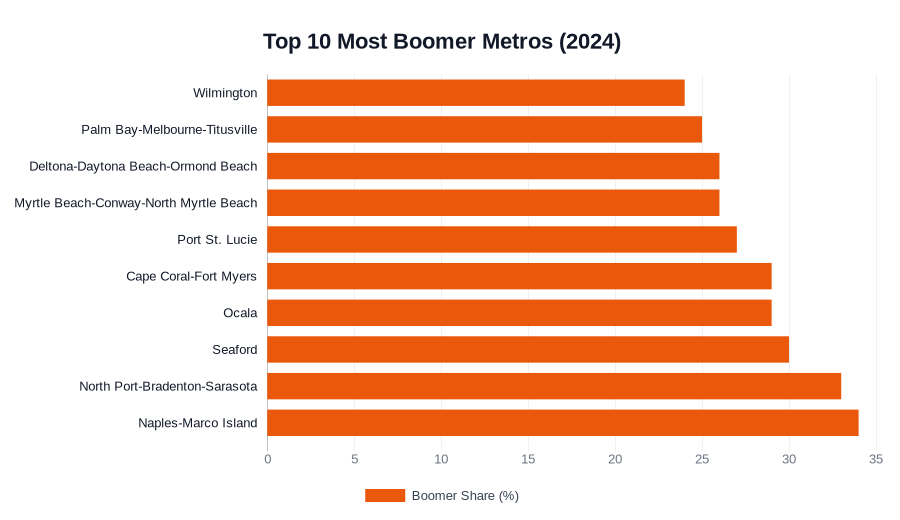
Second, Asheville’s housing market supports this shift. The region has seen rising median income and property values, indicating strong demand pressure. But it’s not just about affordability; it’s about adaptability. Smaller households mean more apartments, starter homes, and condos—housing types that cater to singles, couples, and small families.
What Should Businesses Do?
If you’re a business in Asheville, you need to rethink your strategy. Here’s how:
1. Target smaller households. Product sizes, pricing, and promotions should cater to one- to three-person homes. Think smaller packaging, subscription services, and discounts tailored to frequent, smaller purchases.
2. Prioritize convenience. Smaller households often buy more frequently but in smaller baskets. Emphasize delivery, pickup, and time-saving services.
3. Plan for housing-linked demand. Household formation drives demand for furnishings, appliances, and home services. Even if population growth slows, household expansion can sustain lucrative markets.
4. Segment by life stage. Asheville’s household mix includes retirees, remote workers, and young professionals. Messaging should be localized by use case, not just age or income.
5. Watch geography carefully. Demand isn’t limited to Asheville proper. Growth has spread across Buncombe County and the broader metro area.
To stay ahead, businesses should use tools like the Household Shift Tracker, which provides real-time insights into demographic shifts. Asheville’s growth story is unique, but it’s also a blueprint for other metros. Smaller households are here to stay—and businesses that adapt will thrive.
Asheville is proof that growth isn’t just about population. It’s about understanding how people live, and building a business model that reflects that. No hedging here: if you’re not planning for smaller households, you’re missing the point.