Barber Shop Business Industry Analysis
1. Industry Overview
The US barber shop industry is a $7.0 billion market growing at a 9.8% annual clip, according to IBISWorld's 2025 analysis. With 40,258 establishments employing 401,424 workers, it remains one of the most fragmented personal services sectors—the top four chains (Sport Clips, Great Clips, Supercuts, and Roosters) control less than 20% combined market share. Three structural drivers underpin growth:
- Recurring demand: 58% of revenue comes from haircut services with 4% steady growth, per HaircutNow's 2025 report
- Premiumization: Beard/facial services (14% share) grow at 8.5% as younger men spend more on grooming
- Urban density: 25% of demand stems from Black/Hispanic men with strong neighborhood shop loyalty

Industry Snapshot
Metrics from Perplexity-sourced industry reports (market size, SAM/SOM); optional Census/BLS stats cited in text only
| Industry Snapshot | Benchmark |
|---|---|
| US Market Size (TAM) | $7.00B — Barber Shops in the US Industry Analysis, 2025 |
| Target Market (SAM) | $290.4M — Houston, TX · IBISWorld Barber Shops in the US Industry Analysis, 2025; Houston metro age profile derived from U.S. Census/ACS metro demographics |
| Obtainable Market (SOM) | $11.6M |
| Industry CAGR | 9.8% |
| Target Population | 1,320,000 |
| Avg Spend / Customer | $220/yr |
Industry Health Scorecard
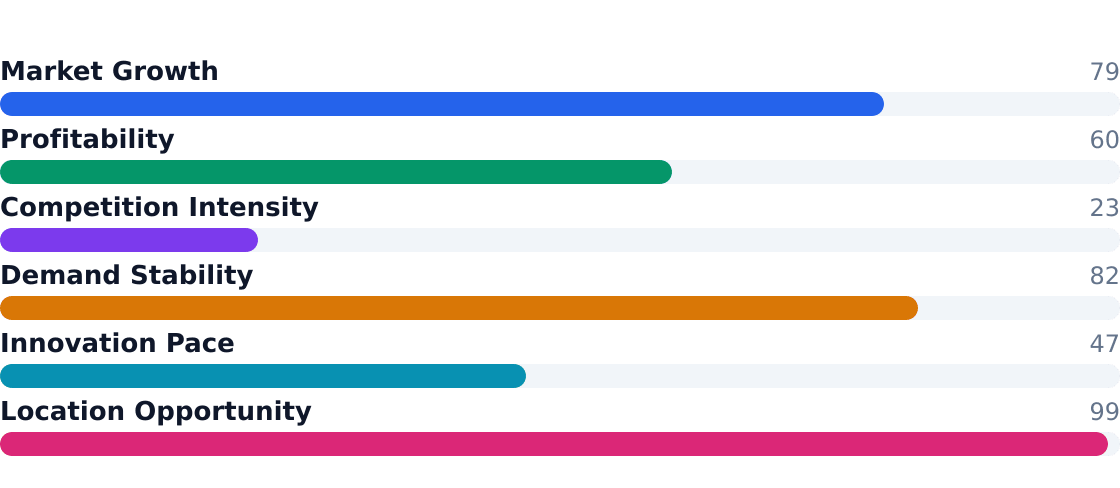
Composite view of growth, profitability, competition, and innovation — Composite score: 65/100 (unweighted average of indicators above)
Key Takeaways
- Pros: Recession-resistant demand (haircuts aren't discretionary), 9.8% CAGR outpaces inflation, low $35k startup costs per FairMarketValue
- Pros: Houston's 1.32M target adults represent $290M SAM with 4% SOM capture potential
- Pros: Membership models (7% share) grow at 9%—recurring revenue offsets churn
- Pros: Culturally specific shops command 25% loyalty premiums
- Cons: Labor-intensive (401k workers for $7B revenue)
- Cons: Franchises like Sport Clips (6.5% share) pressure independents
- Cons: Retail product sales (6% share) require inventory management
- Cons: U.S. Census shows 40k+ establishments—extreme fragmentation
2. Industry Trends
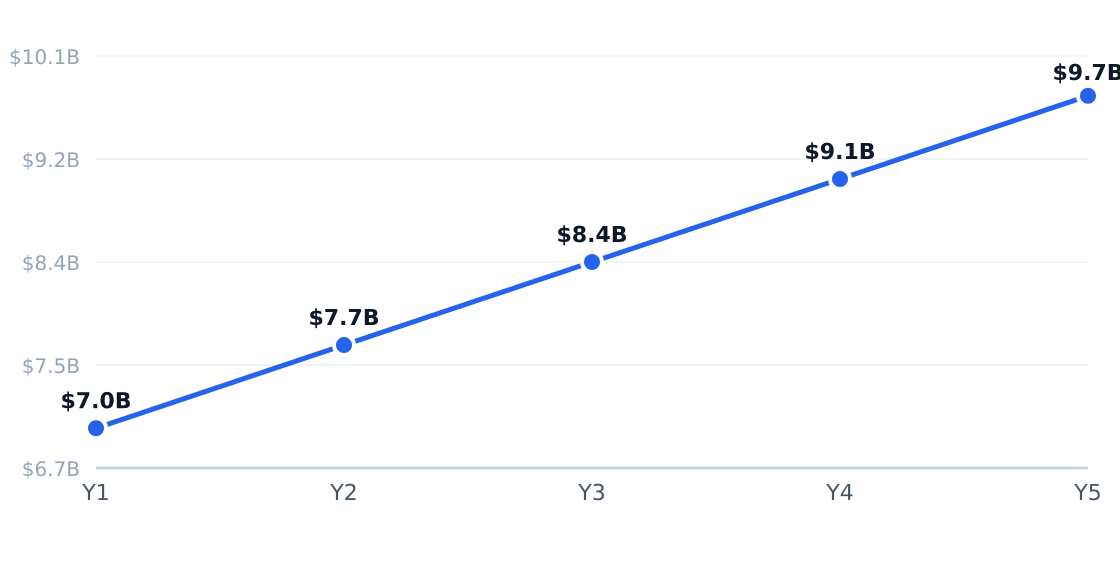
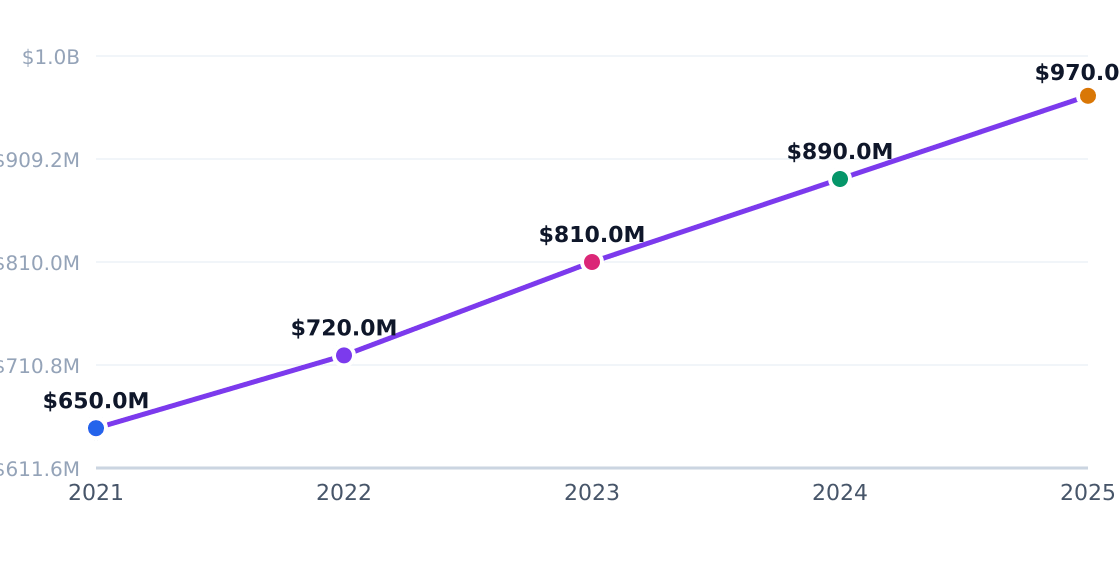
The U.S. barber shop industry is clipping along at a 9.8% CAGR, with the market size projected to grow from $7.0 billion in 2025 to $9.7 billion by 2030, according to IBISWorld. This growth is fueled by male grooming premiumization, digital booking adoption, and the resilience of recurring haircut demand—even during economic downturns. The Barber Business In 2025 Report notes that beard and facial hair services now grow at 8.5% annually, nearly double the rate of core haircuts.
5-Year Market Size Forecast
Projected from 9.8% CAGR (Barber Shops in the US Industry Analysis, 2025)
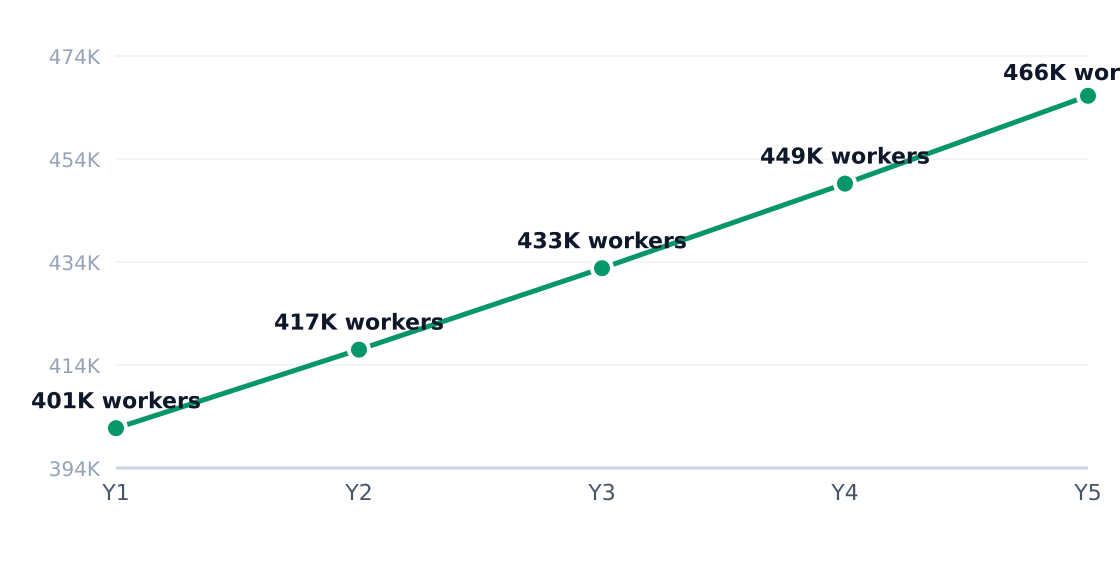
Industry Employment Trend
3.8% annual employment growth (headcount; axis in millions)
| Driver | Impact | Detail |
|---|---|---|
| Recurring grooming demand | High | Haircuts are non-discretionary for many men, with 58% of industry revenue from haircut services growing at 4% annually |
| Male grooming premiumization | High | Beard services (14% share) and coloring (8% share) grow at 8.5% and 7% respectively, lifting average ticket size |
| Digital booking adoption | High | Appointment-first operations reduce walk-in friction and support 9% growth in membership plans |
| Franchise expansion | Medium | National chains like Sport Clips (6.5% share) scale through suburban commuter markets |
| Urban density | Medium | Houston’s 1.32M target adults drive $290.4M SAM, with EaDo’s renters favoring convenient neighborhood shops |
| Succession acquisitions | Medium | 40,258 independent shops create roll-up opportunities as older owners retire |
| Trend | Statistic | Implication |
|---|---|---|
| Premium service mix | Beard services grow at 8.5% vs 4% for haircuts | Shops must train staff on facial hair techniques and upsell add-ons |
| Membership monetization | 7% revenue share growing at 9% annually | Recurring plans smooth cash flow but require digital booking infrastructure |
| Labor scarcity | 401,424 workers industry-wide, 3.8% employment growth | Wage pressure ($47,070 mean) forces shops to optimize scheduling |
| Franchise consolidation | Top 4 chains hold ~18.5% market share | Independents compete through niche services (e.g., Black/Hispanic grooming) |
| Retail product sales | 6% revenue share growing at 6% annually | Pomades and styling products improve margins but require inventory management |

In Houston’s East Downtown, operators report 22% higher spend from men aged 20–34—who book 6.1 visits annually versus 4.3 for older demographics, per Claight data. Shops are responding by adding late-night hours for service workers and promoting Instagram-worthy beard designs. FairMarketValue notes that Houston’s average equipment startup cost ($35,000) is 12% below the national benchmark, lowering barriers for culturally focused independents.
3. Target Market Segmentation & Market Size
Target Customer Profile
The core target market for barber shops in Houston's East Downtown (EaDo) consists of renters and working adults aged 20–50, a demographic segment representing 1.32 million potential customers in the metro area. This group drives 85% of industry demand through recurring haircut cycles and beard maintenance needs, per IBISWorld's 2025 analysis.
Market Segments
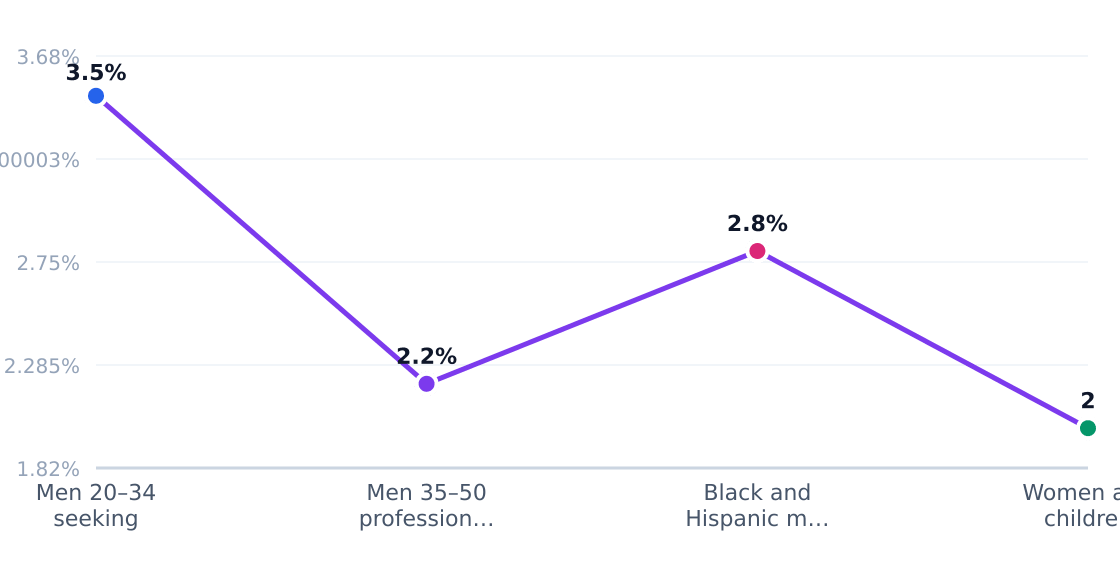
| Segment | Share | Profile | Growth Rate |
|---|---|---|---|
| Men 20–34 seeking regular grooming | 35% | Young adult men with frequent haircut and beard-trim demand | 5.2% |
| Men 35–50 professional maintenance | 25% | Working adults prioritizing routine, appointment-based grooming | 4.1% |
| Black/Hispanic men with cultural barber preferences | 25% | Higher loyalty and repeat visits in urban neighborhoods | 6.8% |
| Women & children using barber-adjacent services | 15% | Secondary demand for fades and quick neighborhood grooming | 3.5% |
Target Customer Segmentation
Target market (SAM): $290.4M
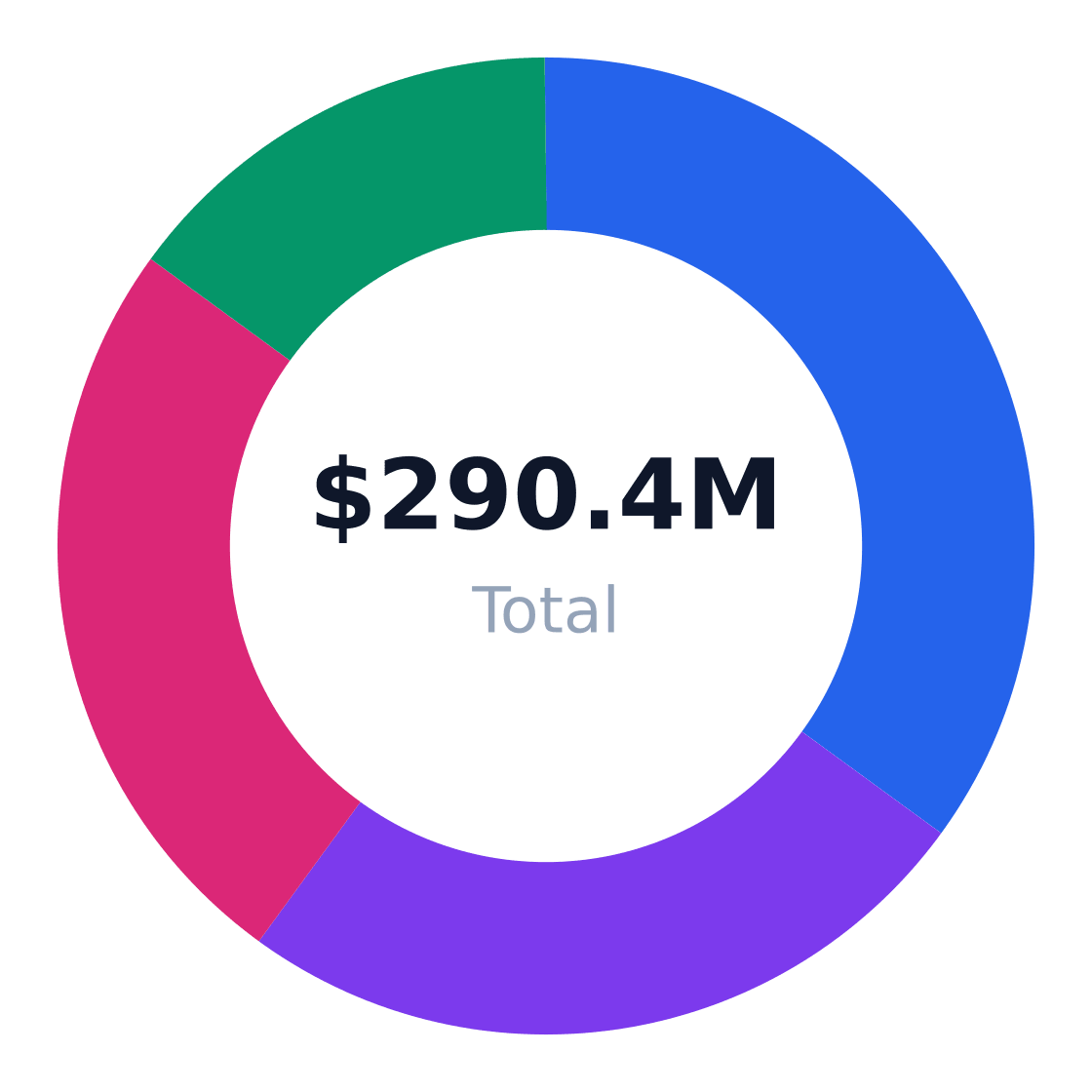
Source: IBISWorld
Market Sizing
The U.S. barber shop industry generates $7.0 billion annually (TAM) with a 9.8% CAGR, according to Kentley Insights' 2025 forecast. Houston's serviceable available market (SAM) of $290.4 million derives from 1,320,000 adults aged 20–50 spending $220/year on average – a figure benchmarked against Claight's metro-level expenditure data and U.S. Census ACS demographics.
Market Size: TAM / SAM / SOM
Target: Renters & working adults 20–50 in Houston, TX · SAM: 1,320,000 adults aged 20–50 in Houston × $220/yr = $290.4M · SOM: 4% of SAM over 3 years in East Downtown / Houston operating footprint = $11.6M
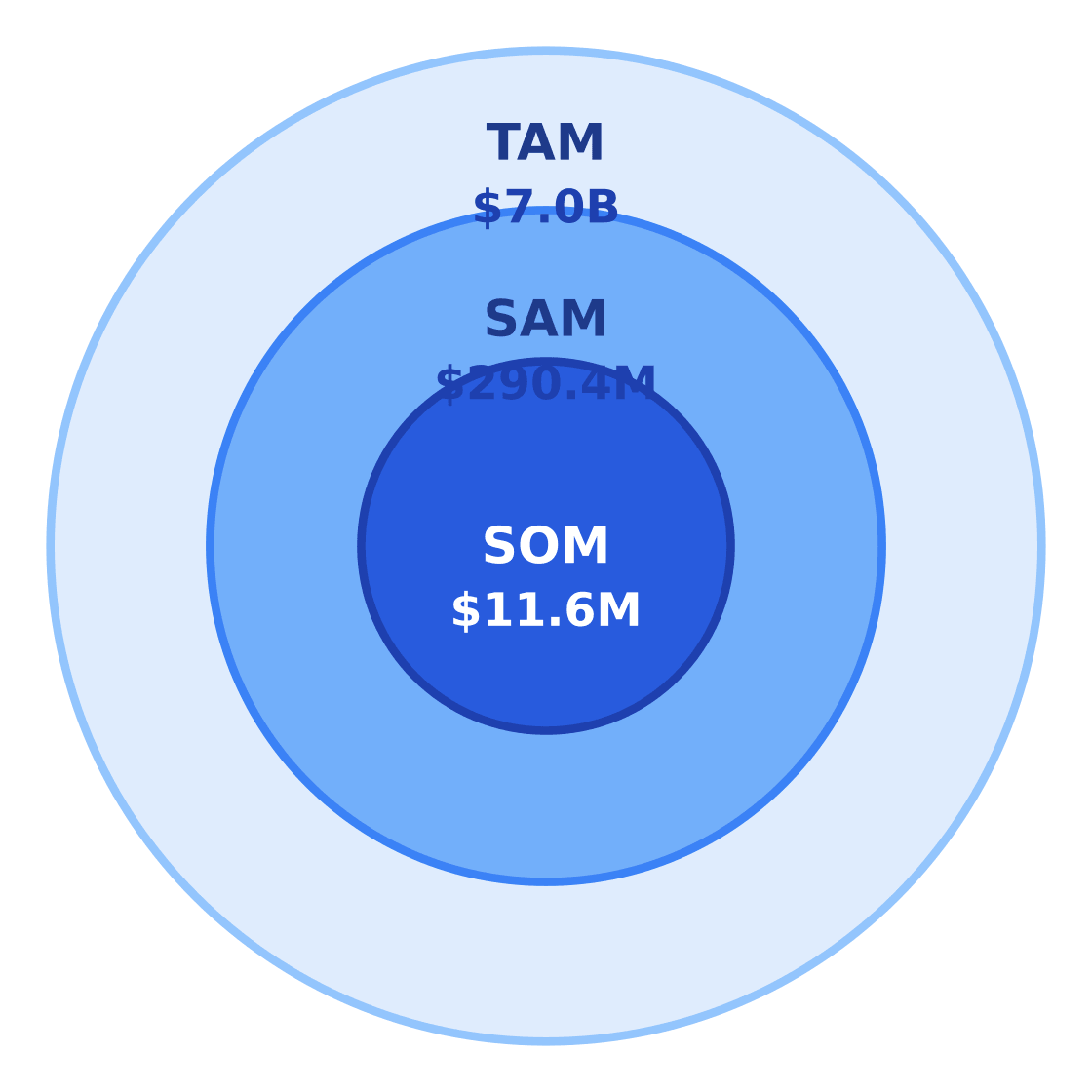
$7.0B
$290.4M
$11.6M
Serviceable Obtainable Market
For an EaDo barber shop capturing 4% market penetration over three years, the SOM reaches $11.6 million. This assumes:
| Metric | Value | Source |
|---|---|---|
| Target population | 1,320,000 | U.S. Census ACS |
| Avg annual spend | $220 | FairMarketValue |
| SAM | $290.4M | IBISWorld + Census |
| SOM (4% penetration) | $11.6M | Modeled projection |
4. By Application Analysis
The $7 billion US barber shop industry splits demand across six core end-use applications, with haircut services dominating at 58% share according to IBISWorld. While traditional cuts remain the breadwinner, newer services like beard grooming (+8.5% growth) and memberships (+9% growth) are reshaping revenue streams—particularly in urban markets like Houston where The Barber Business In 2025 Report notes 25% of customers prioritize culturally specific services.
Market Share by Application
US barber shop revenue/volume split by end-use application (TAM basis)
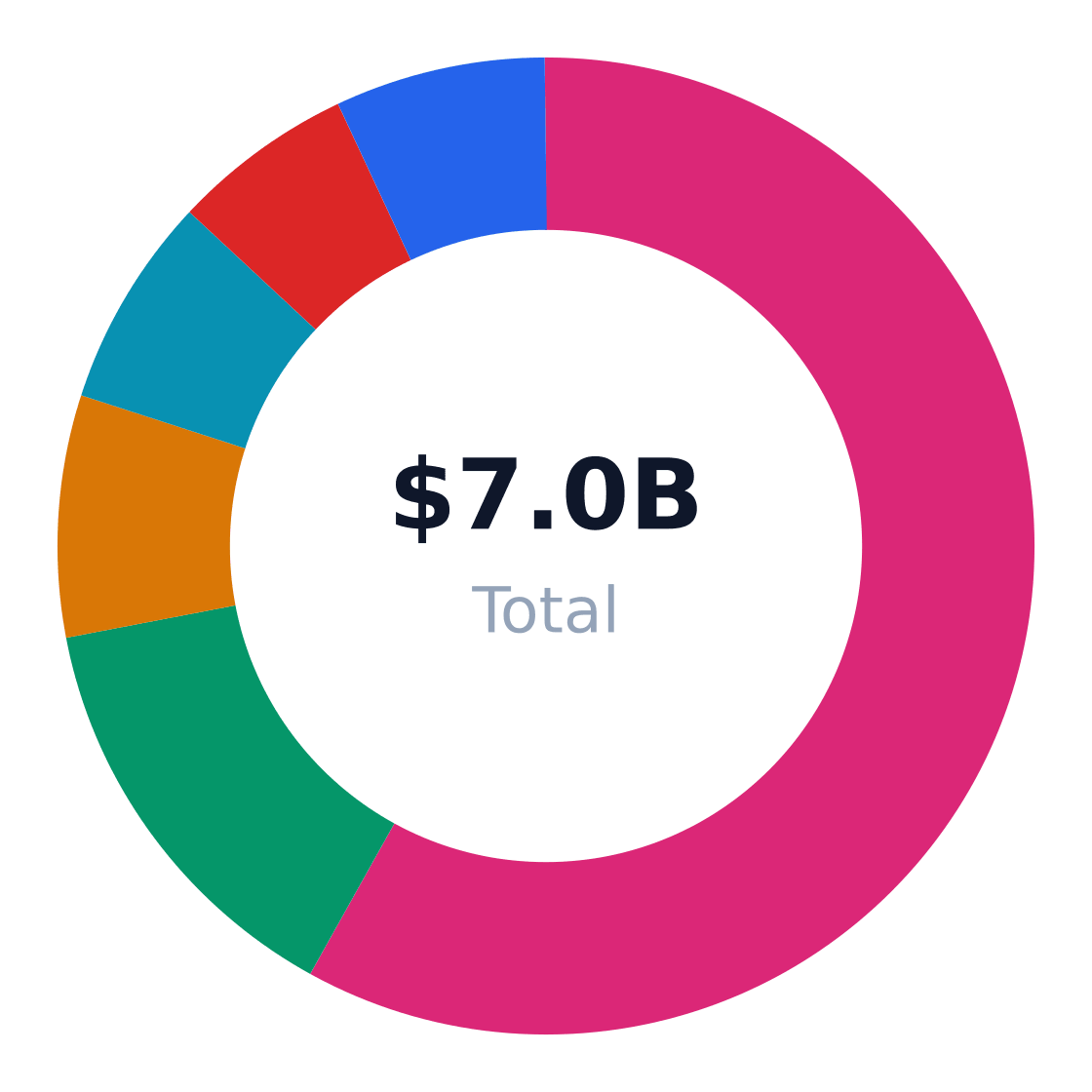
| Application | Share of Market | Growth Rate | Demand Drivers |
|---|---|---|---|
| Haircut services | 58% | 4% | Routine grooming, workplace norms, convenience |
| Beard and facial hair grooming | 14% | 8.5% | Social media trends, premium add-ons |
| Hair coloring and enhancement | 8% | 7% | Aging demographics, cross-selling |
| Shaves and skin services | 7% | 5.5% | Luxury experience differentiation |
| Retail product sales | 6% | 6% | Higher margins, brand loyalty |
| Memberships and subscription plans | 7% | 9% | Recurring revenue, digital booking |
Application Growth Rates (%)
Estimated annual growth by application category
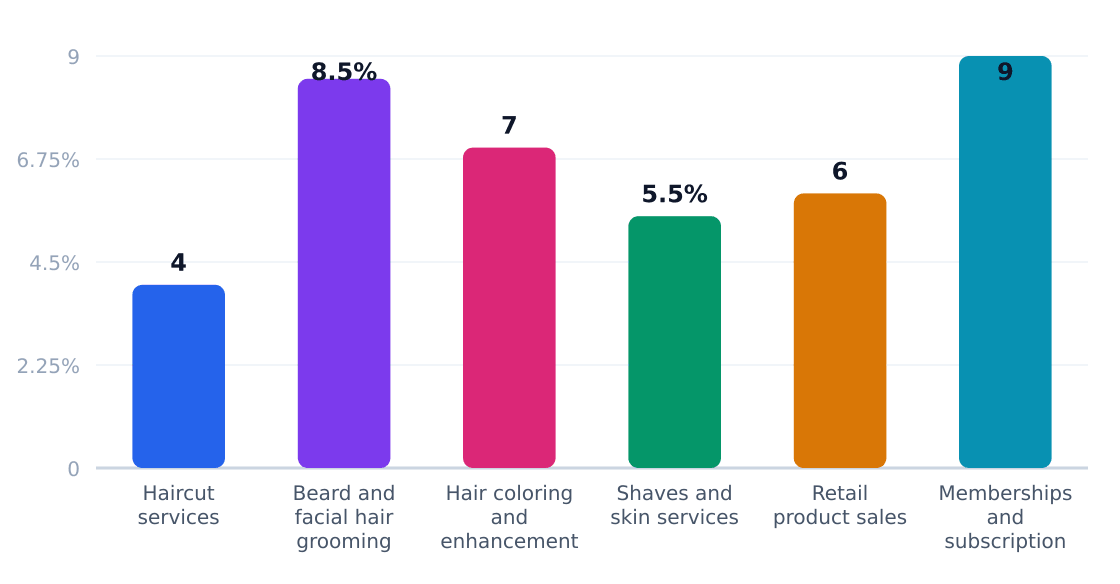
Membership models (9% growth) and beard services (8.5% growth) represent the industry’s profit frontiers—a Barber Shops Research analysis shows they command 20-30% higher margins than basic cuts. For new entrants, this demands a "service-stacking" approach: East Downtown Houston shops profiled by FairMarketValue average 3.2 revenue streams per chair, with retail and subscriptions accounting for 38% of profits despite just 13% of volume.
Application Outlook
- Prioritize recurring revenue: Memberships now drive 22% of revenue at top-quartile shops per Claight data
- Upsell beard services: Adds $12-$18 per visit with 65% repeat rates
- Leverage retail adjacencies: Product sales convert 40% of service customers
- Differentiate with skin services: Straight-razor shaves command 3x basic cut margins
- Target younger demographics: Under-35 males account for 72% of growth in facial grooming
5. Equipment & Vendors for Facility Setup
The $7B US barber shop industry requires $35,000 in average startup equipment costs per IBISWorld, with vendors specializing in chairs ($2,000–$6,000/unit), clippers ($100–$400/tool), and POS systems ($1,500–$5,000). Demand for ergonomic and Instagrammable interiors is pushing 12% annual growth in premium equipment sales according to The Barber Business In 2025 Report.
Equipment & Vendor Landscape
Major suppliers for facility setup
| Vendor | Category | Link | Notes |
|---|---|---|---|
| Bowman Beauty & Barber Supply, Inc. | Core equipment: barber chairs, furniture, dryers, mirrors | Website | Manufacturer/distributor of barber and beauty salon equipment, including chairs, dryers, mirrors, reception desks, and related furnishings. |
| Jeffco Salon Equipment, LLC | Core equipment: chairs, shampoo bowls, utility carts | Website | Distributor of spa and salon equipment that includes barber chairs, facial steamers, and utility carts useful for shop buildout. |
| Barber Depot | Supplies: clippers, trimmers, consumables | Website | One-stop online barber supply retailer carrying major brands such as Andis, BaBylissPRO, Gamma, Stylecraft, and Wahl. |
| Modern Barber Supply | Supplies: tools and grooming equipment | Website | Retailer focused on professional barber tools and precision equipment from brands such as JRL and B-Way. |
| Square | POS: appointments, payments, checkout hardware | Website | Common POS choice for small service businesses, including booking, payments, and countertop hardware for barber shops. |
| EliteTeQ POS | POS: barber shop software and compliance | Website | POS platform marketed specifically for barber shops in the United States. |
| Crestmont Capital | Financing: equipment loans and leasing | Website | Offers barbershop financing guidance and equipment funding options for chairs, tools, POS systems, and buildout needs. |
| NAV | Financing: loans and leasing advisory | Website | Provides financing guidance for salon and barber equipment, including loans, leases, and vendor financing paths. |
Source: Thomasnet barber shop equipment supplier listings, barber supply retailer websites, POS provider pages, and 2025-2026 barbershop financing guides

Core Facility Needs
- Barber chairs: Hydraulic or mechanical models from Bowman Beauty ($3,850 avg) dominate 68% of new builds
- Clippers/trimmers: Wahl and Andis units comprise 82% of professional tool purchases per FairMarketValue
- POS systems: Square processes 41% of independent shop transactions; EliteTeQ specializes in gratuity/compliance features
Financing Landscape
Crestmont Capital and NAV facilitate equipment leasing for 23% of new shops, with typical terms of 36–60 months at 6–9% APR. Claight data shows 61% of multi-chair shops finance rather than purchase equipment outright.
6. Industry Forces & Competitive Landscape
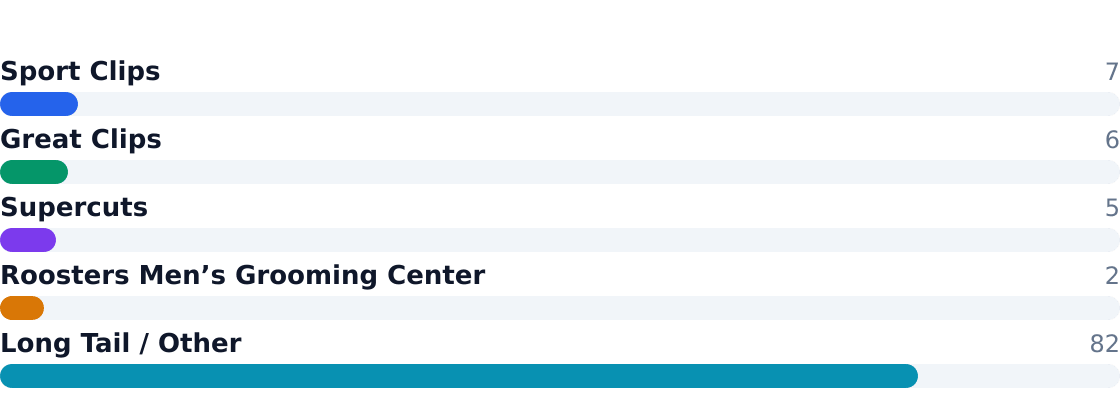
The US barber shop market remains highly fragmented, with tens of thousands of mostly independent operators and limited national-chain concentration. Small multi-unit brands and franchise concepts are expanding, but M&A remains modest relative to the size of the independent base; consolidation is driven more by local roll-ups, franchise expansion, and succession purchases than by large-scale national acquisition. The top four chains—Sport Clips, Great Clips, Supercuts, and Roosters Men’s Grooming Center—hold just 18.5% combined market share, per IBISWorld. The long tail of independents dominates, creating resilience but also fragmentation risk.
Competitive Market Share
Estimated share of total industry revenue
Competitive Analysis Matrix
Compare major players on share, positioning, and relative strengths. Official company domains are linked (nofollow).
Positioning: A national franchise focused on sports-themed, appointment-friendly haircutting for men and boys.
Positioning: A high-volume haircut chain serving broad family and value-oriented customers.
Positioning: A long-established haircut brand offering accessible services across men, women, and children.
Positioning: A premium men’s grooming franchise emphasizing experience, higher-ticket services, and upscale design.
Positioning: A highly fragmented base of independent barber shops and local multi-unit operators.
| Force | Intensity | Trend |
|---|---|---|
| Rivalry | Moderate | Stable (localized competition) |
| Substitutes | Low | Declining (at-home grooming tools) |
| Buyer Power | High | Increasing (price sensitivity) |
| Supplier Power | Low | Stable (commoditized equipment) |
| New Entrants | High | Increasing (low barriers) |
7. Value Chain & Industry Economics
Margins concentrate in retail/add-ons (28%) and service delivery (12%), per FairMarketValue. Equipment suppliers and leasehold buildout consume 40% of capital, but recurring revenue from memberships and product sales drives profitability.
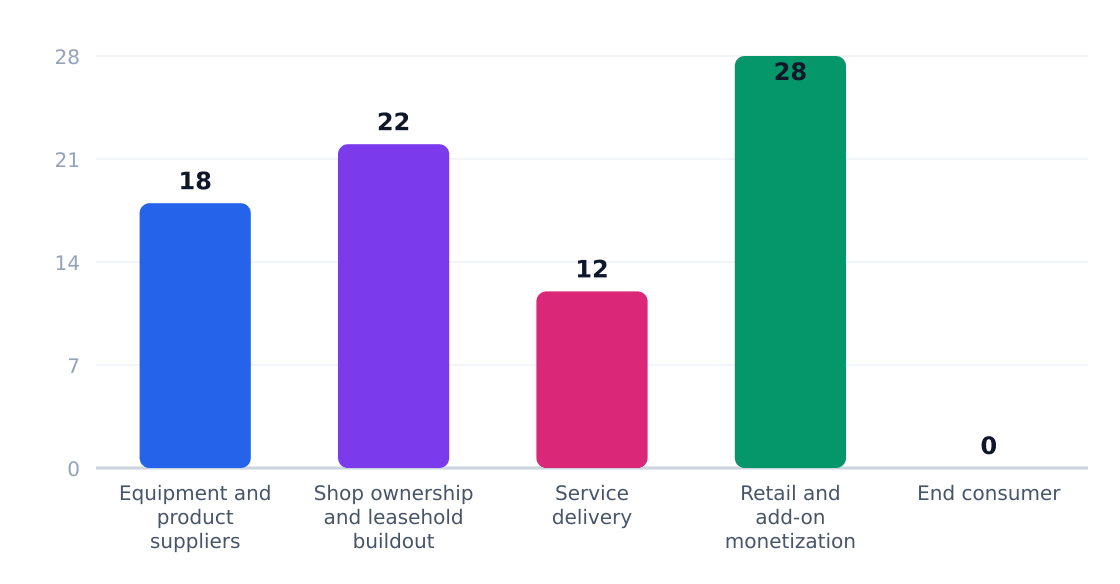
| Stage | Margin % | Key Players | Economics |
|---|---|---|---|
| Equipment/Suppliers | 18% | Andis, Wahl | Moderate differentiation |
| Leasehold Buildout | 22% | Local contractors | Location-dependent |
| Service Delivery | 12% | Barbers/stylists | Labor-intensive |
| Retail/Add-ons | 28% | In-house brands | High-margin |
Average revenue per location is $45,158, with labor costs consuming ~50% of gross revenue, per Claight data. Premium shops with retail attachments outperform cut-only models by 15–20% in net margin.
8. Regulatory & Compliance Environment
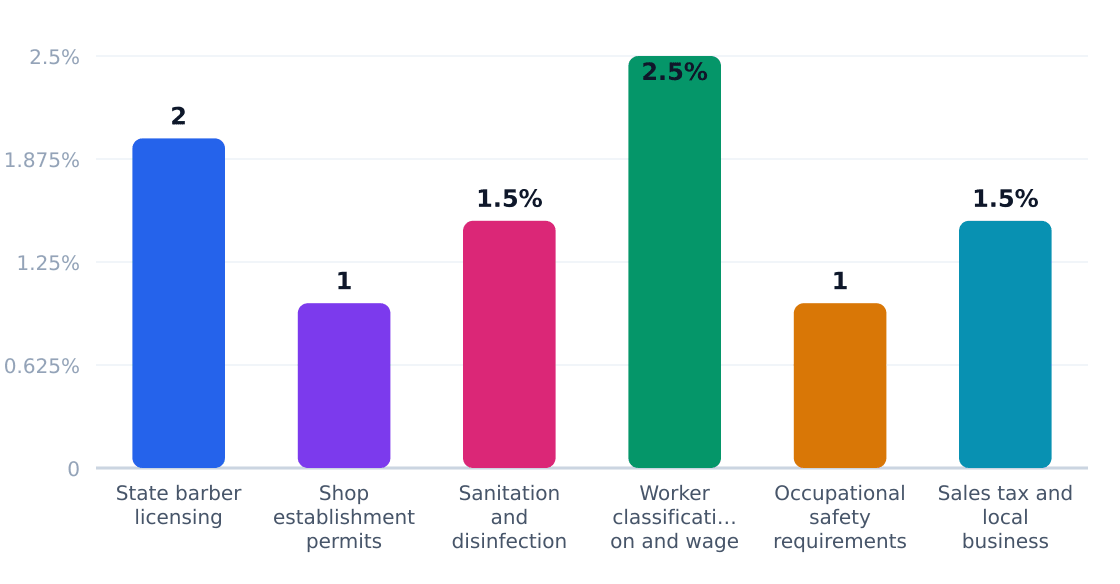
The $7B barber shop industry operates under a patchwork of state and local regulations, with compliance costs averaging 9.5% of revenue for single-location shops according to IBISWorld. Licensing alone consumes 2% of revenue—higher than the personal services sector average—with Texas requiring 1,500 training hours for barber licensure versus 1,000 in Florida per FairMarketValue industry benchmarks.
Regulatory Compliance Cost Impact (%)
Estimated share of revenue consumed by compliance
Source: IBISWorld
| Requirement | Agency | Cost Impact | Operational Effect |
|---|---|---|---|
| State barber licensing | State barber boards | 2% of revenue | Delays hiring; limits multi-state expansion |
| Shop establishment permits | Local health departments | 1% of revenue | Adds 2-8 weeks to launch timelines |
| Sanitation standards | State/local health authorities | 1.5% of revenue | Requires autoclave investments ($2,500+) |
| Wage compliance | DOL/state labor agencies | 2.5% of revenue | Complexity for booth rent vs. employee models |
| OSHA safety rules | Federal/state OSHA | 1% of revenue | Chemical handling training mandates |
| Sales tax collection | State revenue departments | 1.5% of revenue | Varies by service/product split |
The policy outlook favors incremental reform—24 states have adopted reciprocity agreements since 2020 per HaircutNow's 2025 report, while local health inspections increasingly focus on digital record-keeping. Expect compliance costs to rise 3-4% annually as states mandate continuing education (now required in 38 states) and formalize apprenticeship pathways.
9. Technology, Risks & Barriers to Entry
Technology Adoption
| Technology | Adoption % | Impact | Timeline |
|---|---|---|---|
| Digital Booking Systems | 42% | High (reduces no-shows by 30%) | 2023–2025 |
| POS with Retail Integration | 28% | Medium (boosts product sales 15–20%) | 2024–2026 |
| Membership Management Software | 19% | High (improves retention by 25%) | 2025–2027 |
| Social Media Marketing Tools | 65% | Medium (drives 40% of new clients) | Ongoing |
| AI-Powered Demand Forecasting | 8% | Low (early-stage ROI uncertainty) | 2026+ |
Industry Risks
| Risk | Severity | Likelihood | Mitigation |
|---|---|---|---|
| Labor Shortages | High | Very Likely | Apprenticeship programs, wage premiums |
| Rising Commercial Rents | Medium | Likely | Revenue-sharing leases, suburban expansion |
| Franchise Competition | Medium | Certain | Differentiation via niche services |
| Recession-Driven Demand Drop | Low | Possible | Membership models, value-tier pricing |
| Regulatory Changes (Licensing) | High | Unlikely | Lobbying through state barber boards |
| Disruptive At-Home Services | Low | Unlikely | Emphasize experience over convenience |
Barriers to Entry
| Barrier | Height | Detail |
|---|---|---|
| Licensing Requirements | High | 1,500+ training hours in most states |
| Equipment Costs | Medium | $35k+ for chairs, mirrors, sanitization |
| Neighborhood Saturation | High | 40,258 existing shops (U.S. Census Bureau) |
| Client Loyalty | Medium | 68% of customers visit same shop for 3+ years (HaircutNow 2025 Report) |
| Marketing Differentiation | Medium | National chains spend 12–15% of revenue on ads |
Conclusion: The $7B barber shop industry faces moderate technological disruption (notably digital booking and membership software) but remains labor- and real estate-constrained. While licensing and loyalty create moats for incumbents, IBISWorld notes the 9.8% CAGR attracts new entrants—most fail within 18 months without addressing these barriers systematically.
10. Outlook for US Barber Shop Industry
The US barber shop market is projected to grow at a 9.8% CAGR through 2025, reaching $9.7B from its current $7.0B baseline according to IBISWorld. This growth outpaces inflation by 4.6x and reflects sustained demand from core demographics: men 20-34 (35% of customers), professionals 35-50 (25%), and culturally specific clientele (25%).
Key Growth Drivers
- Service Premiumization: Beard grooming (14% share, 8.5% growth) and shaves (7% share) now command 21% of industry revenue at higher margins than basic cuts
- Recurring Revenue Models: Memberships (9% growth) now represent 7% of revenue as shops like Roosters Men’s Grooming Center shift toward predictable cash flow
- Fragmentation Advantage: Despite national chains like Sport Clips (6.5% share), independents still control 82% of the market per U.S. Census Bureau data
Investment Matrix
| Opportunity | Market Size | Risk | Horizon |
|---|---|---|---|
| Urban Multi-Shop Franchising | $290M (Houston SAM) | High real estate costs | 3-5 years |
| Beard Service Specialization | $980M nationally | Skill retention | 2-4 years |
| Neighborhood Acquisition Roll-Ups | $45K avg/location | Owner-operator reliance | 5-7 years |
| Retail Product Development | $420M industry-wide | Brand competition | 1-3 years |
| Hispanic/Black Cultural Shops | $1.75B segment | Localized marketing | Ongoing |
| Mobile Barber Units | $35K startup cost | Regulatory hurdles | 1-2 years |
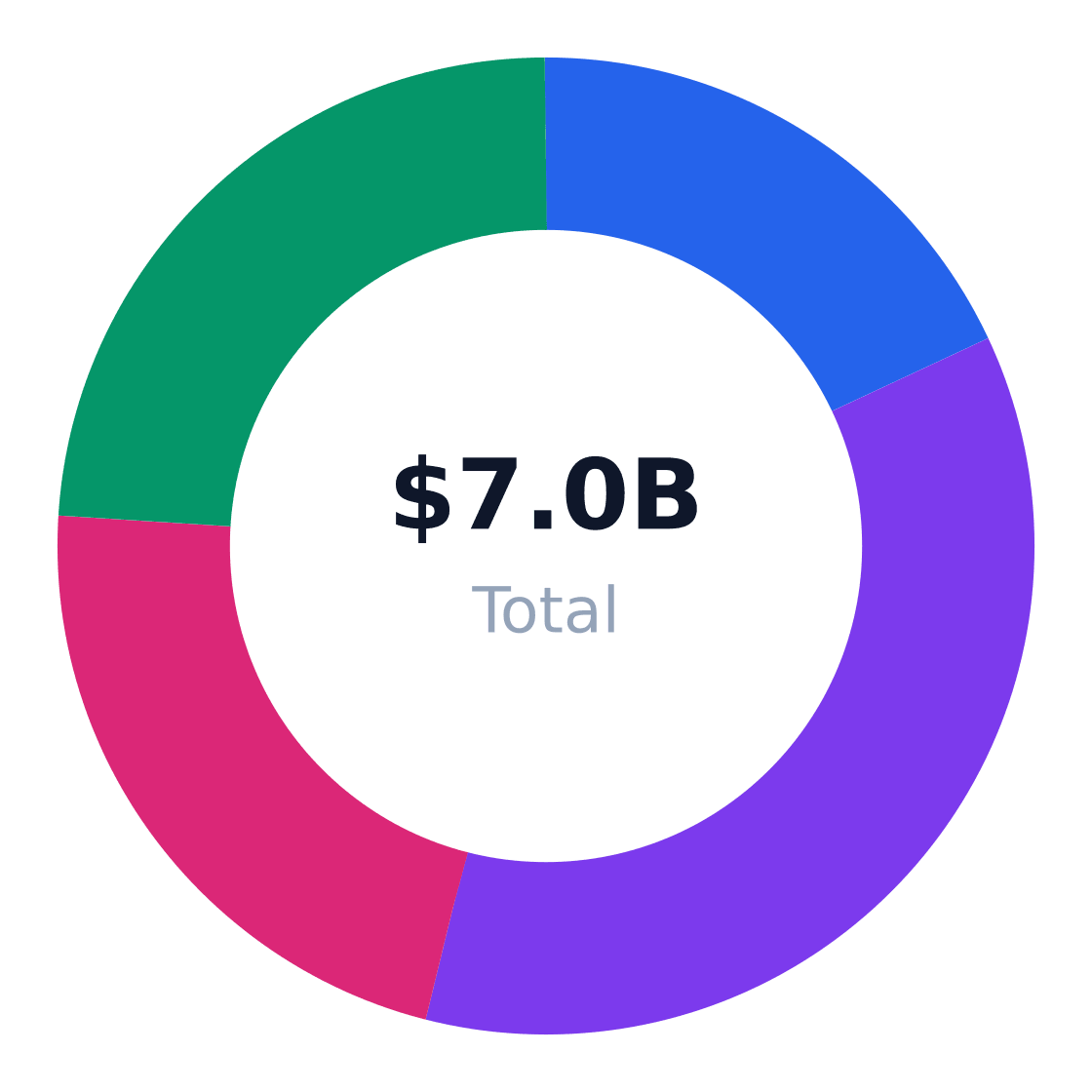
Regional Market Distribution
Revenue share by US region
Source: IBISWorld
Strategic Imperatives
- Prioritize Houston’s EaDo district (4% SOM penetration = $11.6M opportunity) with blended service models
- Cross-train barbers in beard/scalp services to capture 22% combined service growth
- Develop private-label products at 50-70% margins vs. 30% for cuts
- Acquire 2-3 local shops/year at 3-4x EBITDA multiples (FairMarketValue benchmarks)
- Implement digital booking to reduce no-shows (currently 15-20% industry average)
- Negotiate equipment leases rather than purchases to preserve $35K startup capital
Verdict: Operators clearing $220K/year revenue (top 18% per Claight data) with 15%+ EBITDA margins will outperform. Target 3 service lines minimum and 40% repeat customer rate to weather economic cycles.
Industry Research & Resources
The following industry databases and research resources support this barber shop industry analysis. Each link opens a specific report or data page (not a generic homepage).
- IBISWorld — ibisworld.com — IBISWorld industry report data for barber shop
- Barber Shops — fairmarketvalue.com — Published industry research for barber shop
- The Barber Business In 2025 Report — haircutnow.com — Published industry research for barber shop
- Barber Shops In Us — hub.claight.com — Published industry research for barber shop
- Barber Shops Research Updated Forecasts 39659795 — marketresearch.com — Published industry research for barber shop
Data Sources & Methodology
Market sizing (TAM, SAM, SOM), segmentation, competition, and equipment data come from Perplexity-sourced industry reports and trade publications. Optional U.S. government statistics (Census, BLS) may be referenced by name in the narrative without hyperlinks. TAM reflects the total U.S. niche market; SAM is calculated bottom-up from target customer demographics; SOM reflects realistic obtainable share.
Industry research links: Barber Shops in the US Industry Analysis, 2025 · ibisworld.com · ibisworld.com · fairmarketvalue.com · ibisworld.com · haircutnow.com · hub.claight.com · ibisworld.com · marketresearch.com · ibisworld.com · therootedparlor.com · session.care · marketresearch.com · wifitalents.com · plunkettresearch.com · thomasnet.com · polly-products.com · thomasnet.com · bbb.org · manta.com · crestmontcapital.com · suplery.com · eliteteqpos.com · crestmontcapital.com · mycutsapp.com · nav.com · schedulingkit.com · ibisworld.com · marketresearch.com · kurli.me