He Faked 30 Listings Before Buying a Single Washer — Then Made $10K/Month

Outside reporting on Starting a scalable rental business with zero upfront investment is achievable by validating demand through Facebook Marketplace before purchasing inventory, minimizing risk while maximizing passive income. points in a similar direction — see Global Home Appliances Rental Market.
The Zero-Dollar Validation Strategy
Could you start a scalable rental business with literally zero dollars? According to Kyler, a 23-year-old Utah entrepreneur, the answer is yes. His method: validate demand before spending a dime. Kyler began by posting fake listings on Facebook Marketplace—think paddle boards, excavators, even luxury bathrooms—using realistic photos sourced from Google. “I ain’t trying to buy it unless it’s tested,” he says.
This approach isn’t just clever; it’s rooted in basic economics. By testing demand without upfront investment, Kyler minimized risk while maximizing potential upside. His first breakthrough came with washers and dryers. After posting a single listing with a convincing photo, he returned from a cruise to 30 messages inquiring about renting the appliances.

Scaling From First Sale to $10K/Month
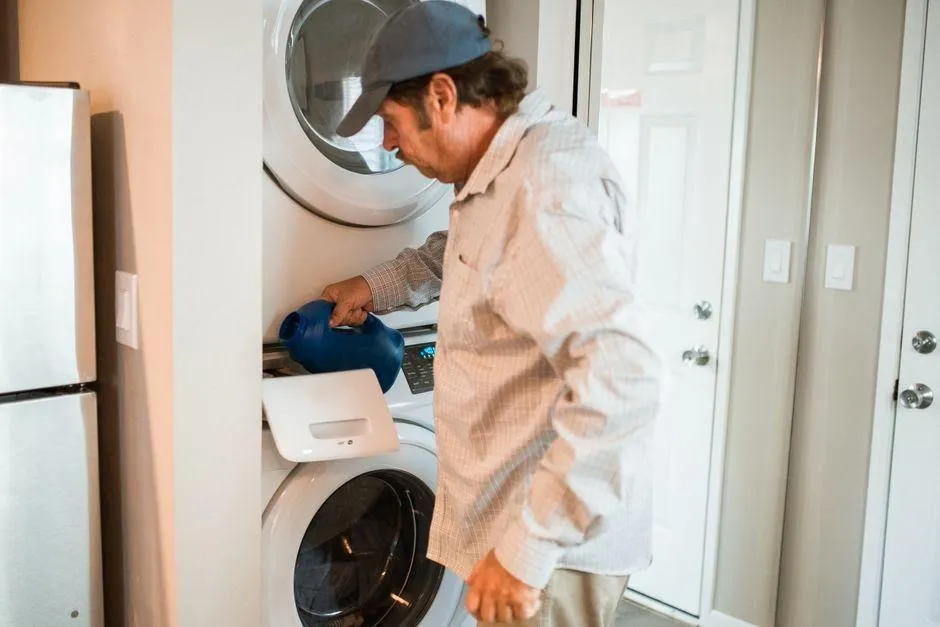
Once demand was validated, Kyler invested $3,000—half his life savings—into three washer-dryer sets. He negotiated wholesale prices, targeting the cheapest models that still promised durability. “The worst-case scenario was that I would make my money back,” he explains. Spoiler: he did much better than that.
Today, Kyler rents 35+ units at $60–$85 per set monthly, generating $10,000 in revenue with just five hours of weekly work. He uses Stripe for automated payments, eliminating manual invoicing. His operational efficiency is a masterclass in scaling a low-touch business.

Year-Round Demand and Operational Tweaks
What makes washers and dryers uniquely suited for rental? Year-round demand. Unlike seasonal rentals like boats or snowmobiles, appliances are always in use. Kyler recognized this early, noting Utah’s six months of hot and six months of cold weather. “Washers and dryers work all year round,” he says.
His operational tweaks further streamlined the business. Instead of meeting customers daily—as he did with paddle boards—he installs appliances once and forgets them. This passive income model allowed him to scale rapidly without increasing his workload.
Data-Driven Insights for Rental Startups
Kyler’s success isn’t just luck; it’s a lesson in market validation and scalability. The Home Appliances Rental Market is projected to grow at a CAGR of 5.8% through 2030, driven by urbanization and rising appliance costs. Meanwhile, the Appliances Rental Market highlights increasing demand for affordable rental solutions.
But here’s the kicker: Kyler’s ROI outpaces industry averages. While many startups fail within the first year, his zero-dollar validation strategy ensured he never risked more than he could afford to lose.

Sources
Global Home Appliances Rental Market
Census ACS 2022 API — 5-Year Estimates
American Community Survey (ACS)
FRED — Federal Reserve Economic Data
Footnotes
1. Kyler’s method mirrors lean startup principles—validate before you invest.
2. The Global Home Appliances Rental Market report underscores the scalability of this niche.
3. Stripe’s automation tools are a game-changer for small rental businesses, reducing friction in payment processing.