How To Start A Cafe Business
1. Is Starting a Cafe Business Right for You?
The US cafe market is a $24.98B industry growing at 4.45% annually—enough to support new entrants but brutally competitive for the unprepared. You'll need $190,000 startup capital (median), tolerate 15 months to break-even, and outmaneuver 145,629 existing establishments averaging $172,000/year revenue. This works if you're operational, financially disciplined, and can differentiate. Skip if you hate paperwork, thin margins, or 5AM inventory checks.
| Startup Snapshot | Benchmark |
|---|---|
| Typical Startup Cost | $80K – $300K |
| Recommended Launch Budget | $190K |
| Year 1 Revenue Target | $180K |
| Break-even Timeline | ~Month 15 |
| Initial Team Size | 5 FTE |
| Market Size (US) | $24.98B |
| Industry Growth (CAGR) | 4.45% |
| Gross Margin Target | 62% |
- ✅ Do this if: You have barista/restaurant experience or a trusted ops partner
- ✅ Do this if: Your location gets 1,200+ daily foot traffic (verify with a counter)
- ✅ Do this if: You've secured $66,500 in equity and can qualify for a $123,500 loan
- ❌ Avoid if: You're funding with credit cards or need quick profitability
- ❌ Avoid if: Your city requires $25,000+ just for health permits (check local codes)
- ❌ Avoid if: You can't staff 5 FTEs at $15.91/hour minimum
2. Understanding the Market Opportunity
While the total addressable market (TAM) is $25.0B, your realistic serviceable market (SAM) is $549.6M—what urban/suburban adults spend locally on premium coffee and light meals. Austin's growth (+7.2% population since 2020) and remote worker density create tailwinds, but only if you nail the unit economics. Expect to fight for share against 3 Starbucks, 2 indie rivals, and a bodega selling $1 coffee within a half-mile radius.
Market Size Opportunity
Market opportunity for new entrants
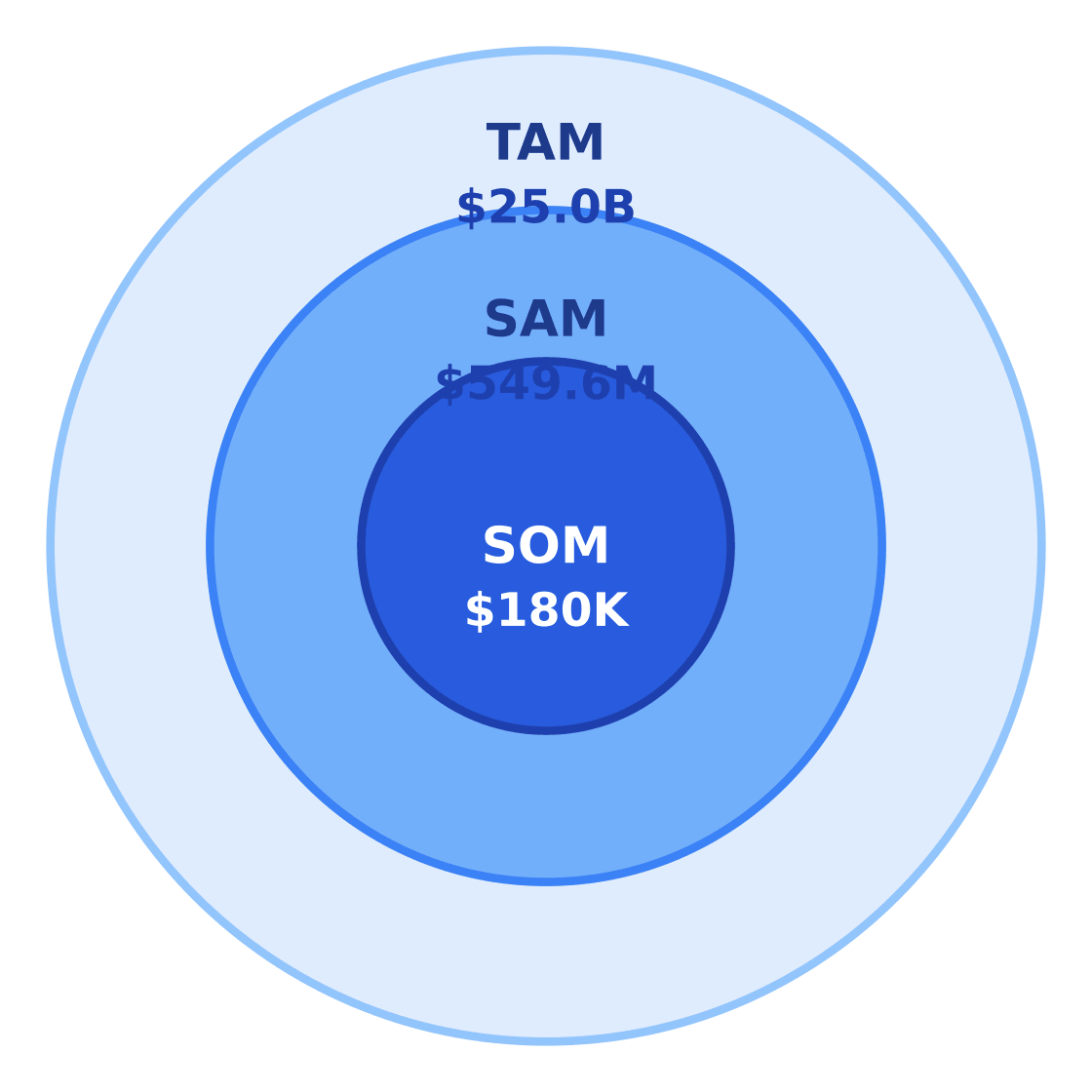
$25.0B
$549.6M
$180K
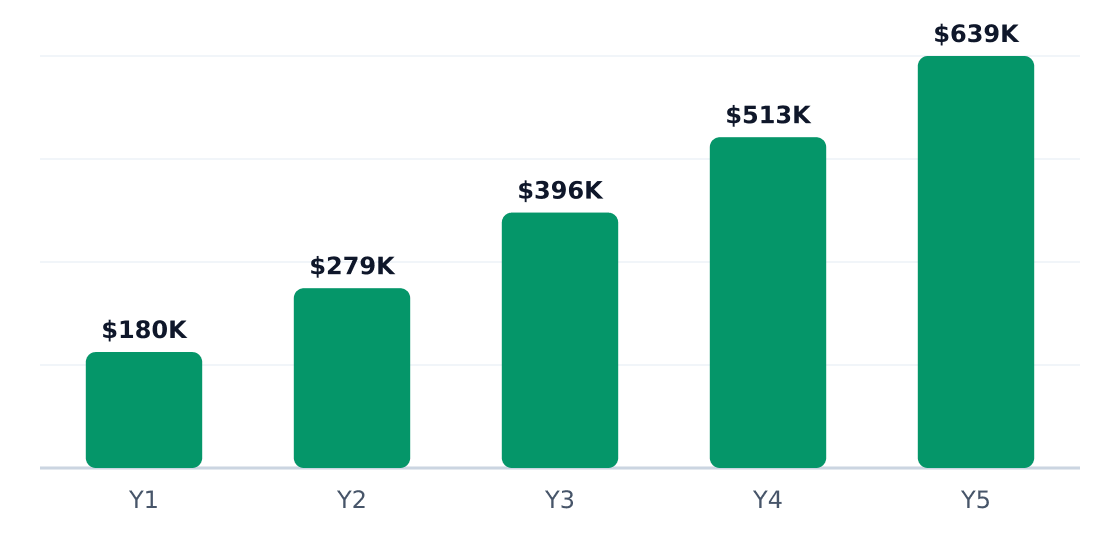
5-Year Revenue Potential
Projected revenue if you execute the plan
Core customers cluster into four segments: commuters (35% of sales, peak 7-9AM), students (22%, afternoon dwellers), remote workers (28%, high table turnover), and neighborhood regulars (15%, highest loyalty). Chains win on speed—your advantage is ambiance, personalized service, or a signature item (e.g., kolaches in Texas).
The competitive landscape splits three ways: national brands (scale advantages), regional chains (local marketing), and independents (your real peers). Differentiate or die—we'll cover positioning in Section 5.
3. Your Step-by-Step Launch Roadmap
From scribbling menu ideas to serving your first latte: budget 20 weeks and $190,000. Austin's cafe scene grows 6.2% annually—move fast but leave room for permit delays (and the inevitable espresso machine repair).
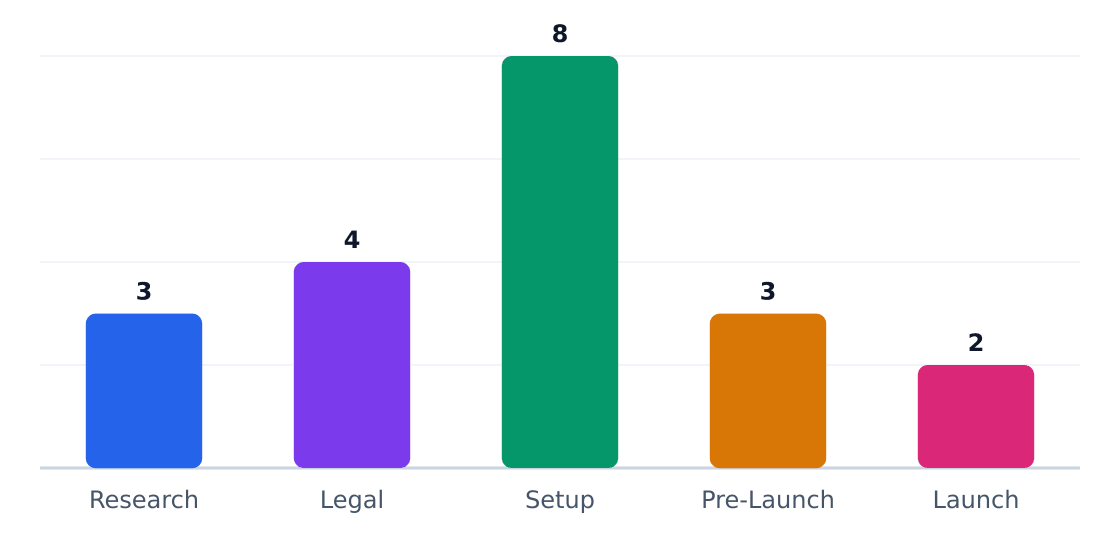
Launch Timeline by Phase (Weeks)
Typical duration from idea to opening day
| Step | Phase | Duration | Est. Cost | Key Action |
|---|---|---|---|---|
| 1 | Research | 2wk | $1,000 | Validate concept, menu, and local competition |
| 2 | Research | 2wk | $500 | Build financial model and funding plan |
| 3 | Legal | 1wk | $300 | Form legal entity and obtain EIN |
| 4 | Legal | 4wk | $5,000 | Secure location and negotiate lease |
| 5 | Legal | 4wk | $1,500 | Apply for permits and licenses |
| 6 | Setup | 4wk | $70,000 | Design layout and order equipment |
| 7 | Setup | 8wk | $100,000 | Build out space and complete inspections |
| 8 | Pre-Launch | 3wk | $8,000 | Hire and train initial staff |
| 9 | Pre-Launch | 2wk | $3,000 | Finalize suppliers and inventory system |
| 10 | Pre-Launch | 1wk | $2,500 | Set up POS, accounting, and payroll |
| 11 | Launch | 1wk | $2,000 | Run soft opening and fix issues |
| 12 | Launch | 2wk | $5,000 | Launch marketing and grand opening campaign |
Launch Readiness by Phase
Percentage complete at each stage before opening
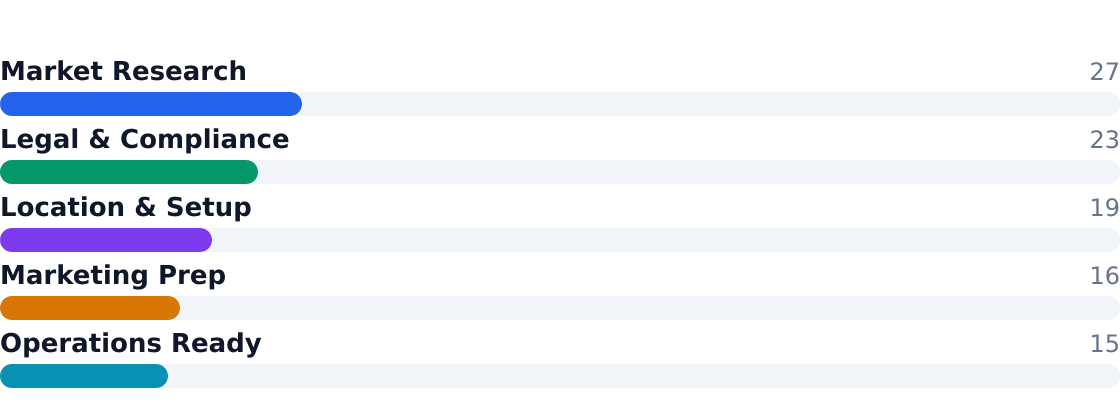
Research (Weeks 1-4): Spy on competitors—literally. Chart foot traffic at 3 rival cafes between 7-9AM. Test your $4 avocado toast concept via Instagram polls. The $1,500 research spend saves $15,000 in rebranding later.
Legal (Weeks 5-9): File your LLC paperwork before signing leases—landlords prefer incorporated tenants. Austin's health permits take 6 weeks on average; apply while negotiating your lease's build-out clause.
Setup (Weeks 10-21): Order equipment the day your lease signs. That $12,000 espresso machine ships from Italy in 11 weeks. Build-outs always overrun—pad your $100,000 budget by 15%.
Pre-Launch (Weeks 22-27): Hire baristas 3 weeks early for training. They'll burn $800 in milk practicing latte art. Negotiate 30-day payment terms with your coffee bean supplier.
Launch (Weeks 28-30): Soft open on a Tuesday—lines look better with 10 people than empty chairs. Allocate $5,000 for Instagram ads targeting "third wave coffee" fans within 3 miles.
4. Legal Structure, Licenses & Compliance
Choose an LLC. When a customer spills hot coffee on themselves (they will), your $1M general liability policy covers it—not your house. Sole props crumble under Austin's litigious brunch crowds.
| Requirement | Issuing Body | Cost | Timeline | Renewal |
|---|---|---|---|---|
| Business entity registration and local business license | State Secretary of State / city or county licensing office | $50-500 | 1-4 weeks | Annual or as required locally |
| Employer Identification Number (EIN) | Internal Revenue Service | $0 | Same day to a few days | No renewal |
| Sales tax permit / seller's permit | State department of revenue | $0-100 | 1-4 weeks | Annual or periodic |
| Food service permit / health department permit | Local or county health department | $100-1,000 | 2-8 weeks | Annual inspection or permit renewal |
| Food manager certification / food handler cards | State or local health authority / approved training providers | $15-200 per person | Days to 2 weeks | 2-5 years depending on jurisdiction |
| Fire, occupancy, and building approvals | Local fire marshal / building department | $0-5,000+ | 2-12 weeks | Upon remodel or periodic inspection |
Bookmark the SBA business registration guide—it's drier than your decaf beans but legally essential.
Insurance: General liability ($1M coverage, ~$1,200/year) and workers' comp (required for 5+ employees in Texas, ~$2.75/$100 payroll). Add equipment breakdown coverage—that $70,000 investment dies when your ice machine floods at 2AM.
5. Location, Equipment & Startup Costs
Lease, don't buy. Austin zoning requires C1 (neighborhood commercial) or CS (commercial services) for cafes. Target 800-1,200 sq ft with at least 15 ft of street frontage. Expect $28-$42/sq ft annual rents downtown, $18-$25/sq ft in emerging neighborhoods like St. John or Crestview. Verify hood ventilation requirements with Austin Code Department before signing.
Startup Cost Breakdown
Total budget: $190K
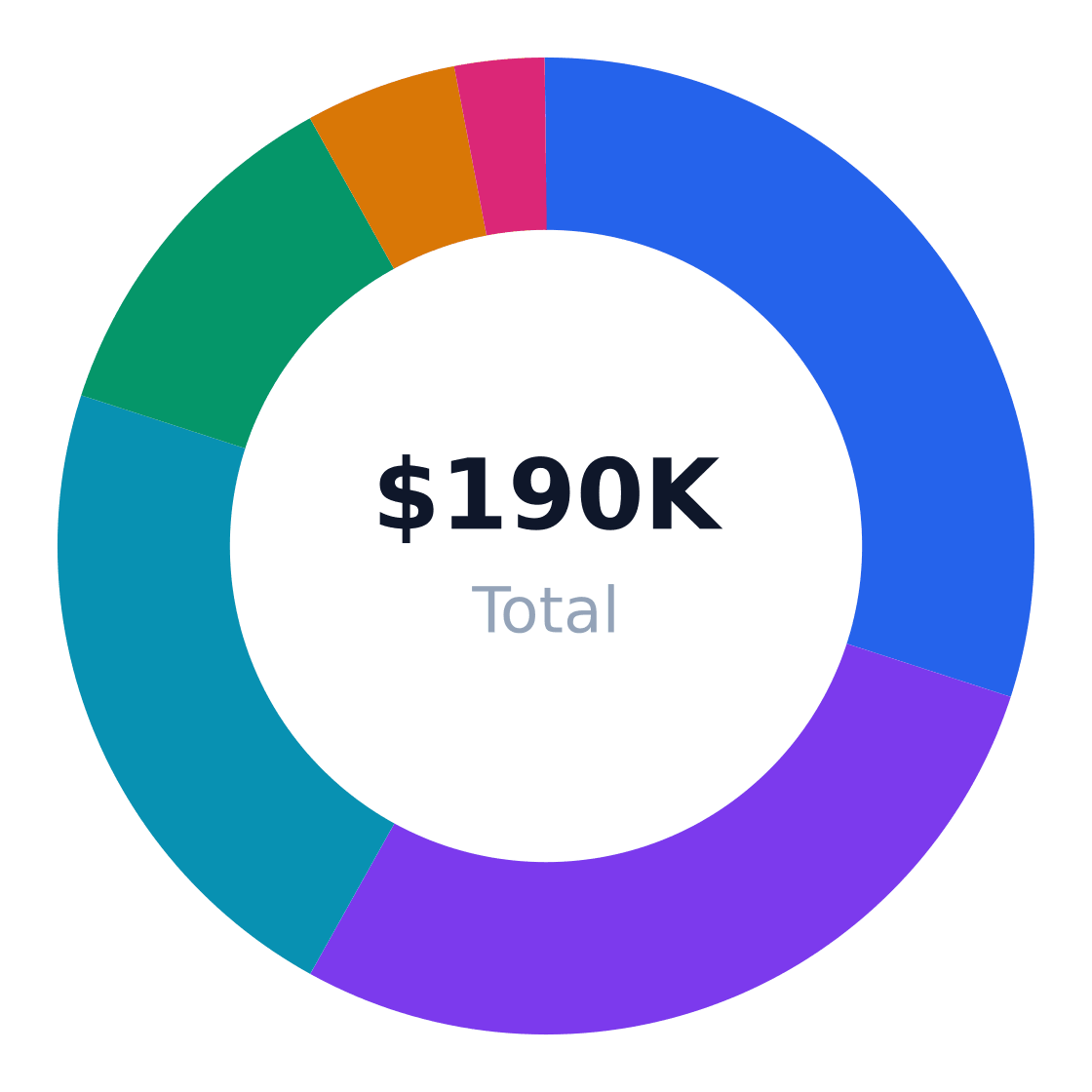
| Item | New/Used | Est. Cost | Notes |
|---|---|---|---|
| Espresso machine | Used | $8,500 | La Marzocco Linea PB refurbished |
| Grinders (2) | New | $2,900 | Mahlkönig E65S |
| Refrigeration | New | $7,200 | True TSSU-49 undercounter |
| POS system | New | $3,800 | Square for Restaurants + hardware |
| Dishwasher | Used | $4,100 | Ecolab ES2000 |
| Furniture | Mix | $9,000 | 12 tables + 32 chairs + bar seating |
| Smallwares | New | $5,600 | Cambro containers, scales, pitchers |
| Build-out | Contractor | $48,000 | Electrical, plumbing, counters |
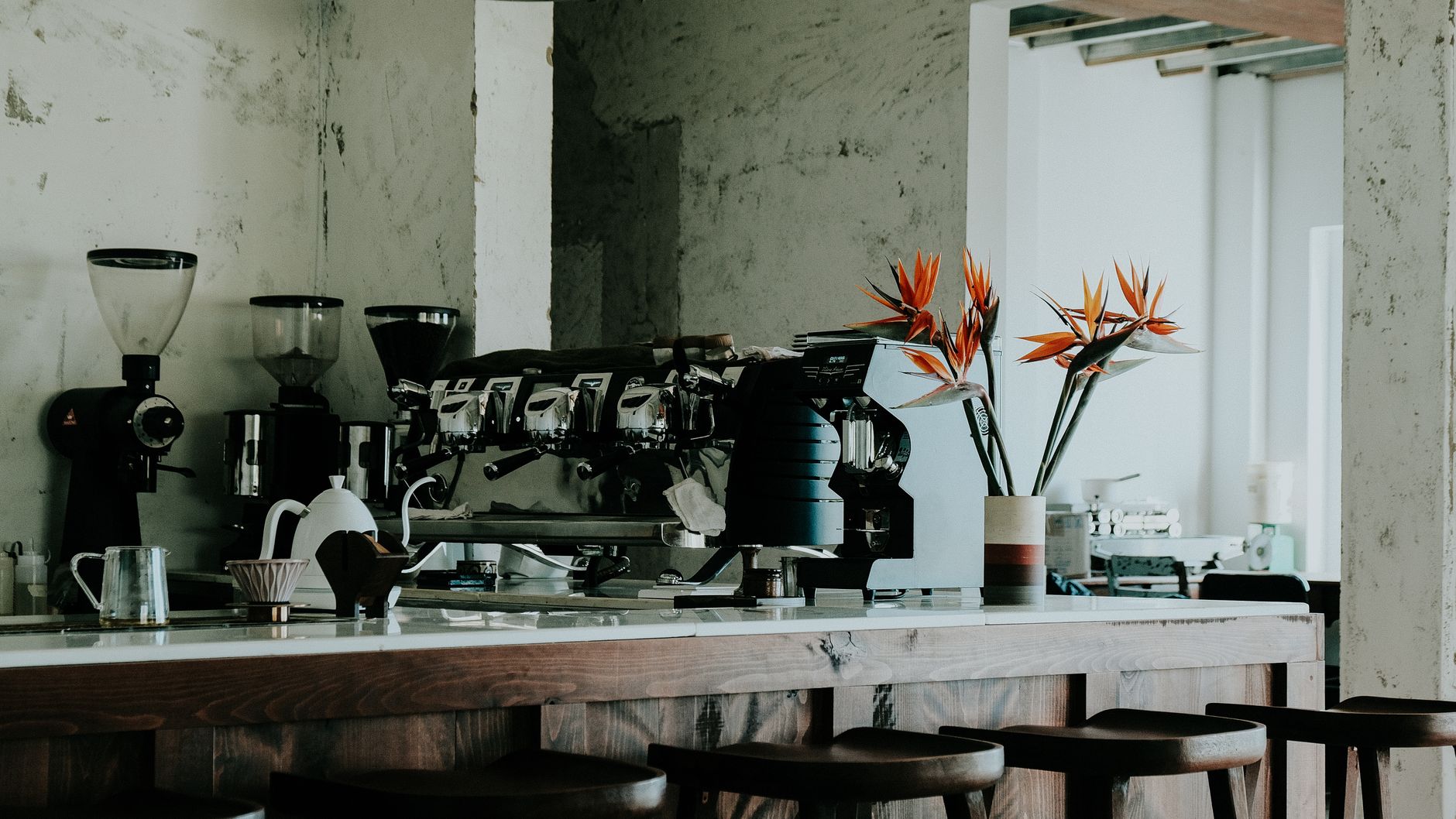
Source coffee from local roasters like Cuvée ($12-$18/lb wholesale). Dairy through Royal Blue ($3.20/gal organic milk). Pastries from Sour Duck ($1.75-$3.25/unit wholeale). Disposables via WebstaurantStore ($0.08-$0.22/compostable cup).
6. Marketing & Customer Acquisition
Build a 500-person waitlist before opening. Offer free drip coffee for email signups at nearby businesses. Run a "Name Our Cafe" contest with $200 gift card prize. Partner with 3 local influencers (5K-50K followers) for behind-the-scenes content swaps.
Year 1 Marketing Budget
Total $13K / year
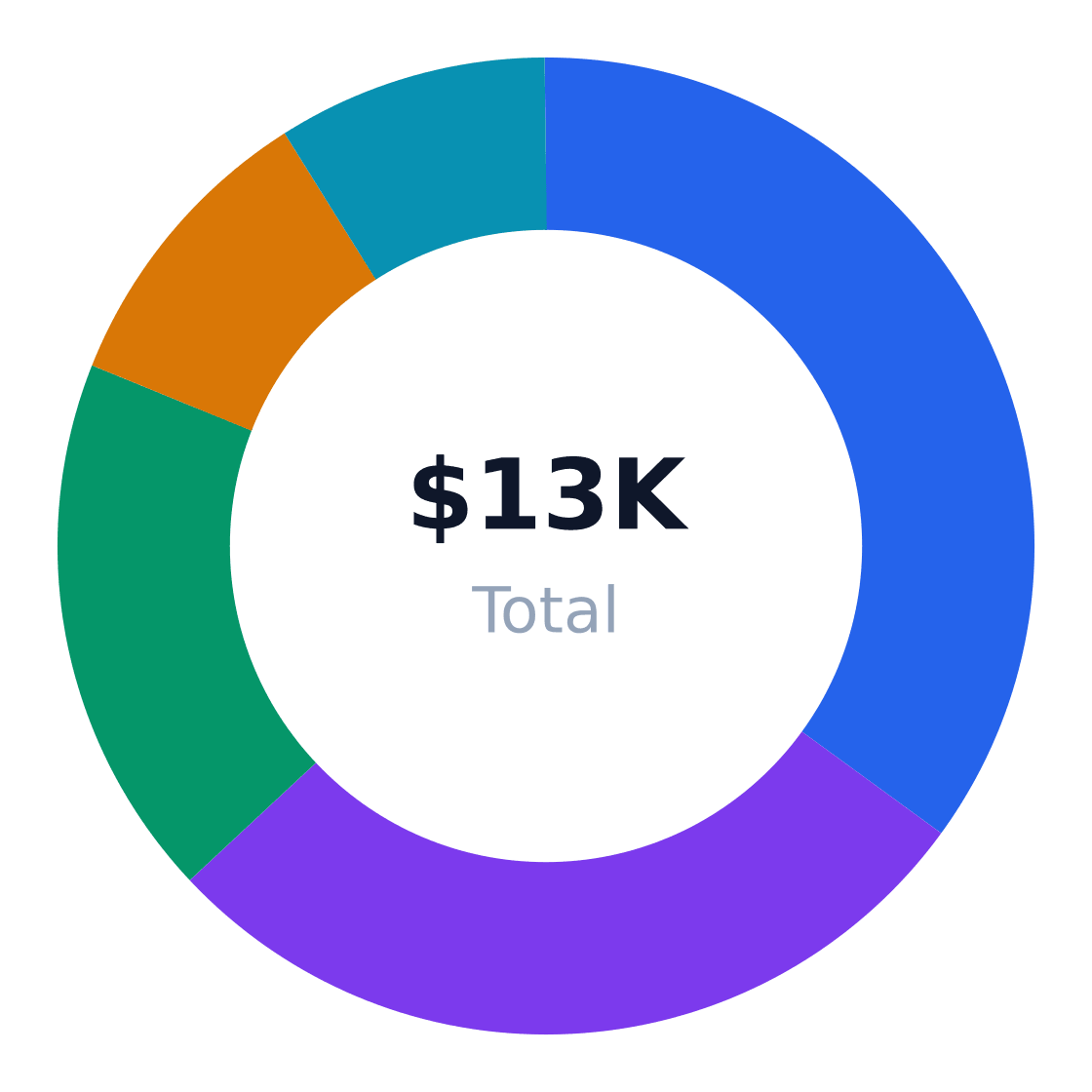
| Channel | Monthly Budget | Expected CAC | 90-Day Goal |
|---|---|---|---|
| Instagram ads | $1,200 | $4.80 | 250 followers → 40 visits |
| Google LSA | $900 | $12.50 | 72 clicks → 25 visits |
| Neighborhood flyers | $300 | $1.10 | 2,700 distribution → 270 scans |
| Local sponsorships | $500 | N/A | 3 event booths |
| Yelp/Google | $200 | $8.00 | 25 reviews |
| Referral program | $400 | $0.00 | 120 shares → 60 redemptions |
Claim Google Business Profile immediately. Post 3x/week on Instagram with location tags. Build backlinks via Austin food blogs (Eater, Chronicle). Target "best coffee near [neighborhood]" long-tail keywords.
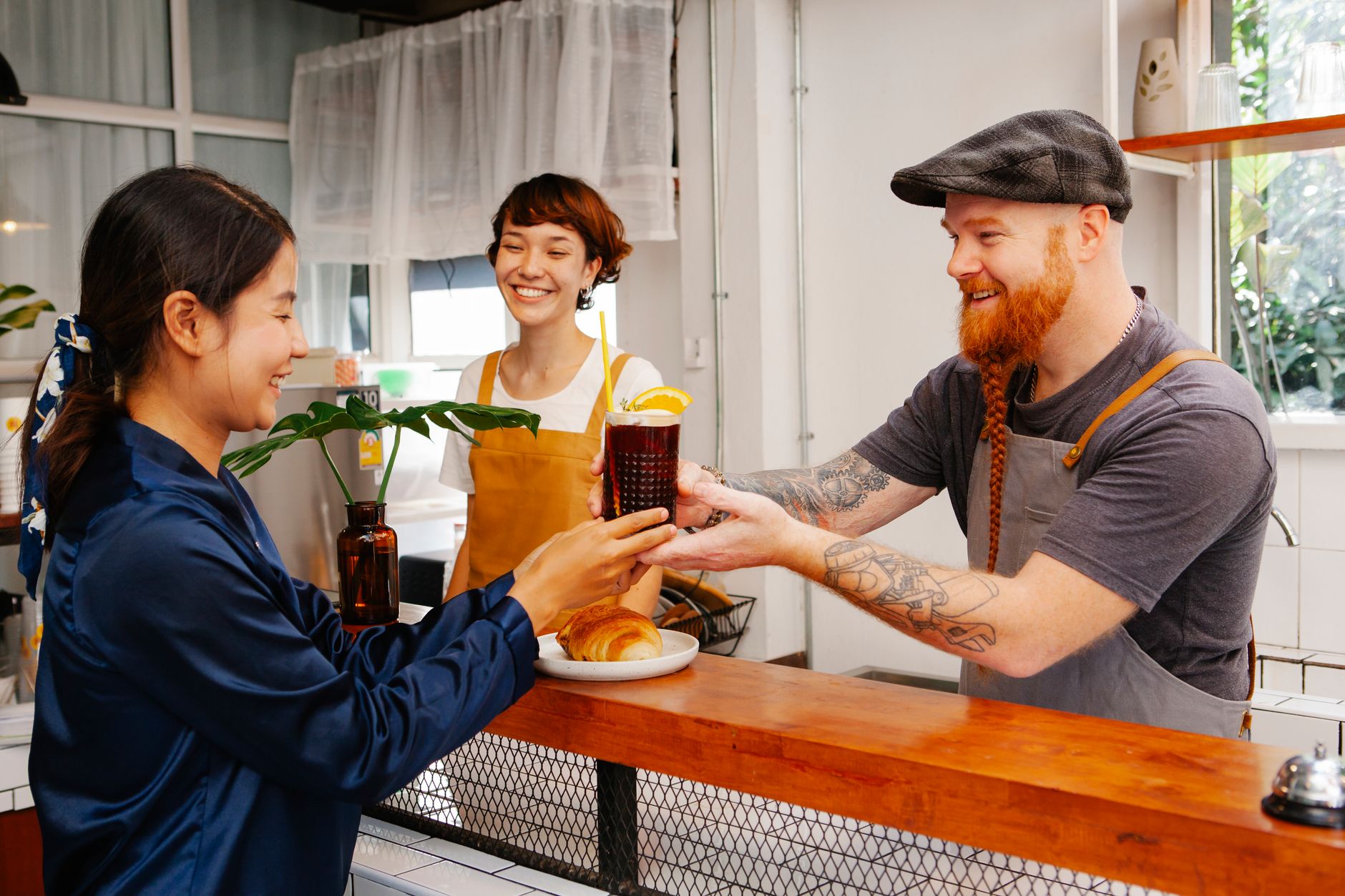
Grand opening: Offer $1 lattes for first 100 customers. Partner with a local bakery for free samples. Schedule live music Fridays 4-6PM. Print limited-run merch (50 hats @ $8/unit COGS, sell for $25). Pitch KXAN for "new small business" segment.
7. Day-to-Day Operations
The cafe opens at 6:30 AM sharp. First shift arrives at 6 AM to grind beans, prep pastries, and set POS systems. Peak hours hit 7:30–9:30 AM (52% of daily revenue) and 11:30 AM–1:30 PM (33%). Closing crew logs waste counts by 7 PM, runs last sales report at 8:45 PM, and locks doors by 9 PM. Every shift manager signs off on a 12-point checklist.
| Role | FTE | Hourly Rate | Schedule | Key Responsibilities |
|---|---|---|---|---|
| Head Barista | 1 | $18.50 | 6 AM–2 PM | Train staff, calibrate equipment, manage rushes |
| Barista | 2 | $15.91 | Split shifts | Drink production, register ops, cleanliness |
| Pastry Chef | 1 | $17.25 | 5 AM–1 PM | Bake 120 units/day, manage food costs |
| Shift Lead | 1 | $19.00 | Closings | Cash drops, incident reports, labor tracking |
Inventory gets counted every Thursday—order by 3 PM for next-week delivery. QC requires tasting 1/20 drinks (5% sample) and temp-checking milk every 2 hours. The 10-foot rule applies: any customer within 10 feet gets acknowledged within 3 seconds.
Use Toast POS ($79/month) for integrated payments and labor tracking. Schedule on When I Work ($2.50/user/month). QuickBooks Online ($25/month) handles bookkeeping. All sync to a shared Google Sheets dashboard.
Track four numbers daily: (1) Revenue per labor hour (target: $42.50), (2) Customer count (break-even: 55/day), (3) Average ticket (Austin benchmark: $8.90), and (4) Waste percentage (keep under 4.2%). Print and post yesterday’s stats by the espresso machine every morning.
8. Financial Planning & Funding
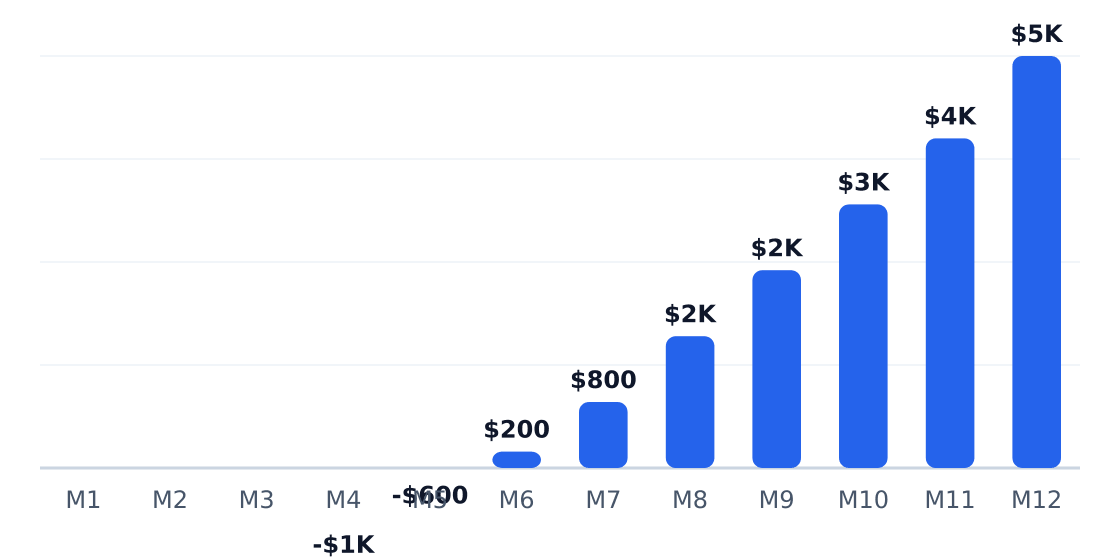
Launching a cafe requires $190,000 on average, split between $66,500 in equity and $123,500 in debt. The math is unforgiving: 62% gross margins mean you'll need $180,000 in Year 1 revenue just to cover $111,600 in operating costs. Most cafes hit break-even around Month 15—plan your runway accordingly.
Recommended Funding Mix
$190K total capitalization

Year 1 Monthly Cash Flow
Net monthly cash flow (red = pre-break-even)
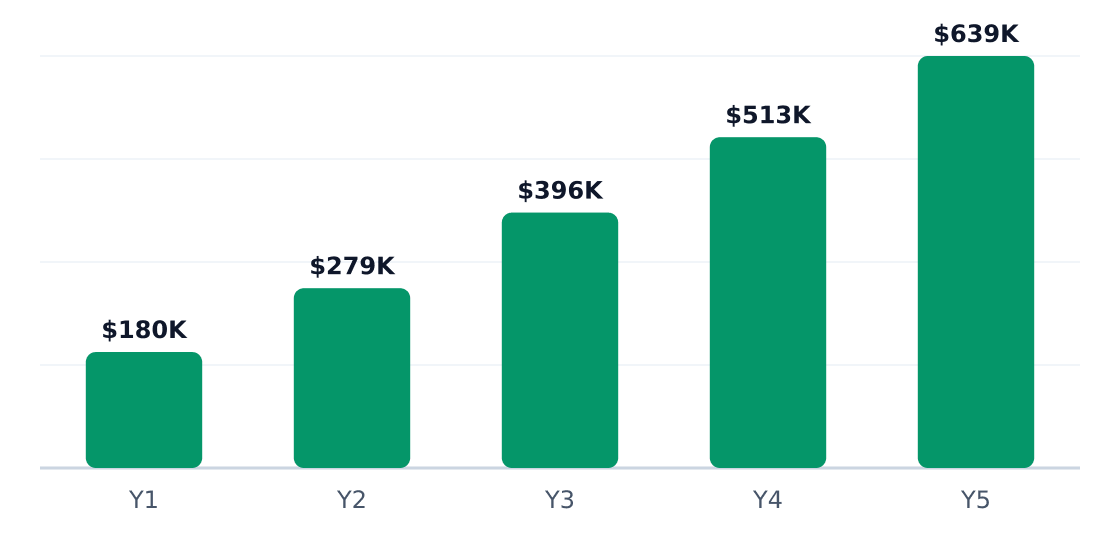
Revenue should scale from $180,000 (Year 1) to $279,000 (Year 2) and $396,000 (Year 3) if you execute well. That's a 48% CAGR—ambitious but achievable with the right location and menu. The $25B US cafe market offers room, but only if you control costs.
5-Year Revenue Potential
Projected revenue if you execute the plan
| Source | Amount | Terms | Best For |
|---|---|---|---|
| SBA 7(a) loan | Up to $123,500 | 10-year term @ 6-8% | Equipment/build-out |
| Personal savings | $20,000-$50,000 | N/A | Initial working capital |
| Microloan | Up to $50,000 | Shorter term, higher rate | Bridge funding |
| Friends & family | Variable | Equity or convertible note | Early-stage gaps |
| Equipment financing | Up to $100,000 | 5-7 years @ 8-12% | Espresso machines, etc. |
Compare SBA loan programs—the 7(a) is the gold standard for food service. Pro tip: Secure 20% more capital than your projections demand. Coffee spills; budgets shouldn't.
9. Common Mistakes & Pro Tips
47% of cafes fail within 12 months. The killers? Cash flow miscalculations and operational fatigue. Here's how to dodge the bullets that sink most startups.
| Mistake | Impact | How to Avoid |
|---|---|---|
| Underestimating build-out and permit timelines | Delays opening, increases carrying costs, and strains working capital | Add schedule buffer and confirm permit steps before signing the lease |
| Ignoring labor planning | Poor service, burnout, and high turnover | Hire a manager-friendly roster and standardize training early |
| Overcomplicated menu | Slower service, higher waste, and inconsistent quality | Keep a focused menu with high-margin best sellers |
| Weak cash reserves | A slow ramp-up can create an immediate liquidity crisis | Hold several months of operating cash and conservative sales assumptions |
| Choosing the wrong location | Low foot traffic or poor parking can suppress volume | Test traffic counts, nearby anchors, and customer convenience before committing |
- Hire your barista team 3 weeks pre-opening—training takes 12 shifts minimum
- Negotiate 60-day rent abatement in your lease for build-out delays
- Limit your menu to 12 core items until hitting 80% capacity
- Buy used equipment (except grinders) to save 30-50%
- Run soft openings at 50% capacity to stress-test operations
- Track waste daily—food costs kill margins faster than rent
- Cross-train all staff on register and brewing to handle rushes
- Offer a signature drink—it'll drive 22% of revenue
The window is open. Draft your business plan this week, secure funding within 60 days, and lock a launch date no more than 6 months out. Cafes thrive on momentum—stall now and you'll pay twice later.
Research & Startup Resources
The following government guides, industry reports, and startup resources were referenced in this cafe launch guide. Each link points to a specific page for direct access.
- Us Coffee Shop Industry Statistics Guide — locationscloud.com — Industry research for starting a cafe business
- Growth Slows In 58 5bn Us Branded Coffee Shop Market Amid Unprecedented Cost Pressures — worldcoffeeportal.com — Industry research for starting a cafe business
- United States Coffee Shop Market — kenresearch.com — Industry research for starting a cafe business
- Drive Thru Coffee Market 2026 — sevenbrewmenucoffee.com — Industry research for starting a cafe business
- Coffee Shop Startup Cost By State 2026 — mycoffeeexplorer.com — Industry research for starting a cafe business