How To Start A Baking And Culinary School Business
1. Is Starting a Baking and Culinary School Business Right for You?
The $33.5B culinary education market grows 6.7% annually, but don’t let the pie crust fool you—this is a $325,000 commitment requiring chef-level skills and administrator stamina. Successful founders either (a) run a commercial kitchen while teaching classes themselves, or (b) partner with celebrity chefs while handling permits and payroll. Walk away if you can’t name three local food inspectors by first name.
| Startup Snapshot | Benchmark |
|---|---|
| Typical Startup Cost | $150K – $500K |
| Recommended Launch Budget | $325K |
| Year 1 Revenue Target | $723K |
| Break-even Timeline | ~Month 6 |
| Initial Team Size | 4 FTE |
| Market Size (US) | $33.5B |
| Industry Growth (CAGR) | 6.7% |
| Gross Margin Target | 62% |
- Pro: Charge $125-$300 per student per class at 62% margins
- Con: Commercial kitchen buildouts cost $85-$250/sqft
- Pro: 72% of culinary students pay upfront for multi-course packages
- Con: Health department fines start at $1,200/violation
- Pro: Corporate team-building events book 8-12 weeks in advance
- Con: Instructor turnover averages 19% annually
2. Understanding the Market Opportunity
Austin’s 22% restaurant growth since 2020 creates ready demand for your $737M slice of the culinary school market. Target two groups: career changers (38% of students) paying $8,000-$15,000 for certificate programs, and hobbyists (52%) spending $1,200/year on weekend workshops.
Market Size Opportunity
Free Business Plan Download
Download Baking And Culinary School Business Plan
Just Fill Up and Print
Market opportunity for new entrants
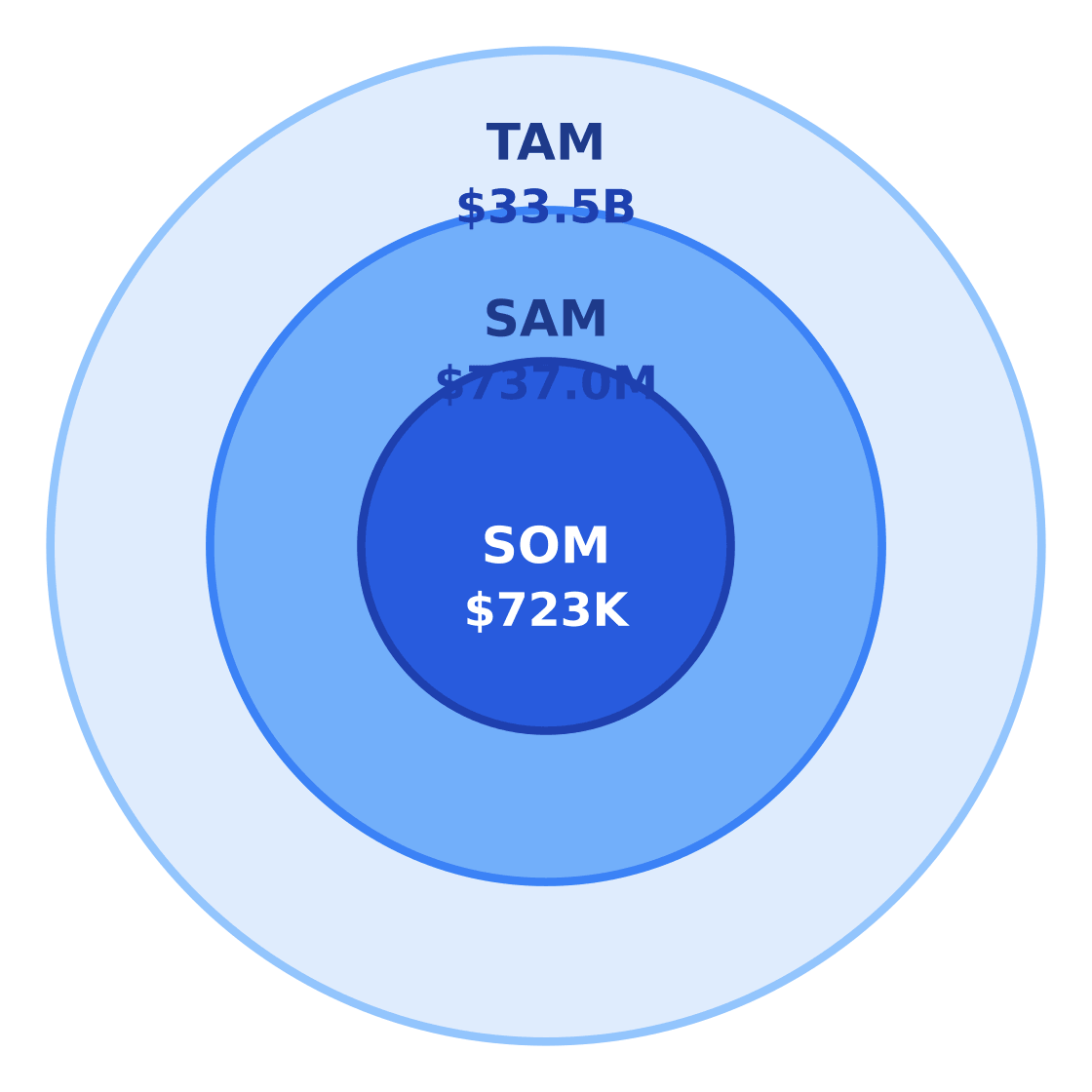
$33.5B
$737.0M
$723K
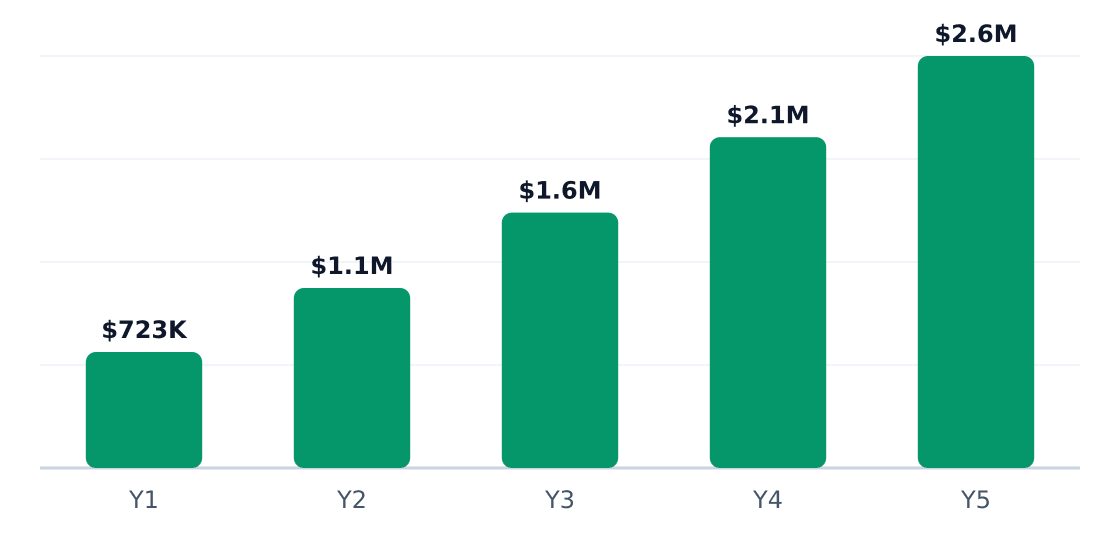
5-Year Revenue Potential
Projected revenue if you execute the plan
Differentiate from YouTube tutorials with hands-on equipment (stand mixers run $400/station) and externships at local breweries/farms. The 14 existing Austin competitors fall into two camps: overpriced "masterclasses" ($200+/session) or understaffed community centers. Split the difference—charge $95-$175 for 3-hour sessions with 8:1 student-teacher ratios.
3. Your Step-by-Step Launch Roadmap
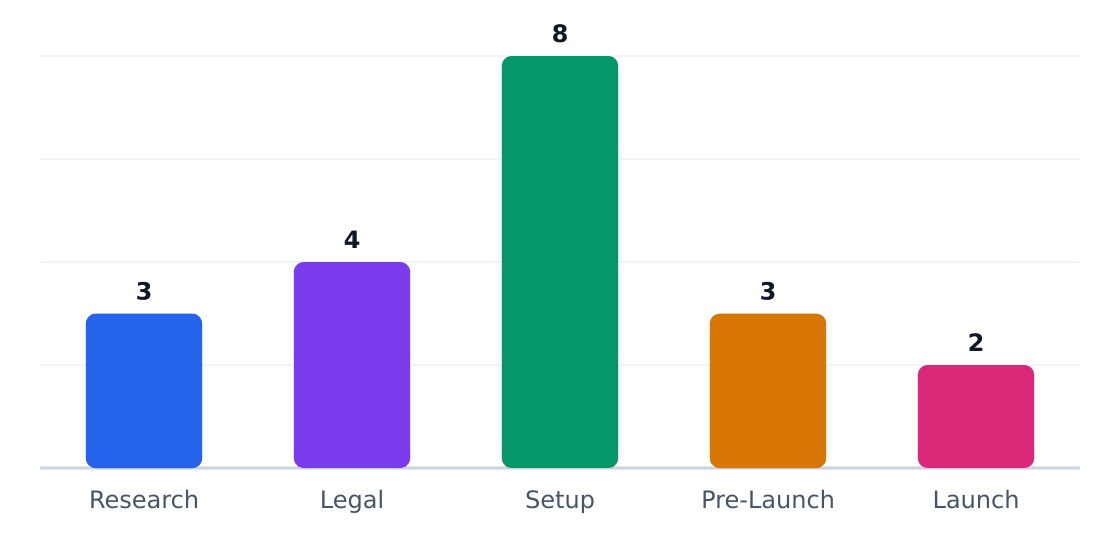
From idea to opening day in ~20 weeks. Austin's culinary scene is booming—act fast before commercial kitchen rents spike another 12%.
Launch Timeline by Phase (Weeks)
Typical duration from idea to opening day
| Step | Phase | Duration | Est. Cost | Key Action |
|---|---|---|---|---|
| 1 | Research | 2wk | ~$0 | Define school model, niche, and target student segments |
| 2 | Research | 3wk | ~$1,000 | Validate demand with interviews, landing page, and pre-enrollment interest |
| 3 | Legal | 1wk | ~$500 | Choose entity structure and register the business |
| 4 | Legal | 6wk | ~$5,000 | Secure zoning approval and lease suitable kitchen/classroom space |
| 5 | Legal | 6wk | ~$2,500 | Apply for licenses, food permits, and occupancy approvals |
| 6 | Setup | 4wk | ~$2,500 | Design curriculum, class catalog, pricing, and outcomes |
| 7 | Setup | 4wk | ~$120,000 | Purchase ovens, mixers, smallwares, tables, and sanitation equipment |
| 8 | Setup | 4wk | ~$15,000 | Hire instructors and admin support |
| 9 | Setup | 2wk | ~$6,000 | Set up insurance, accounting, POS, and scheduling systems |
| 10 | Pre-Launch | 4wk | ~$8,000 | Build website, branding, and enrollment funnel |
| 11 | Pre-Launch | 2wk | ~$3,000 | Run trial classes and safety walkthroughs |
| 12 | Launch | 2wk | ~$5,000 | Launch with first cohort, collect reviews, and optimize offerings |
Launch Readiness by Phase
Percentage complete at each stage before opening
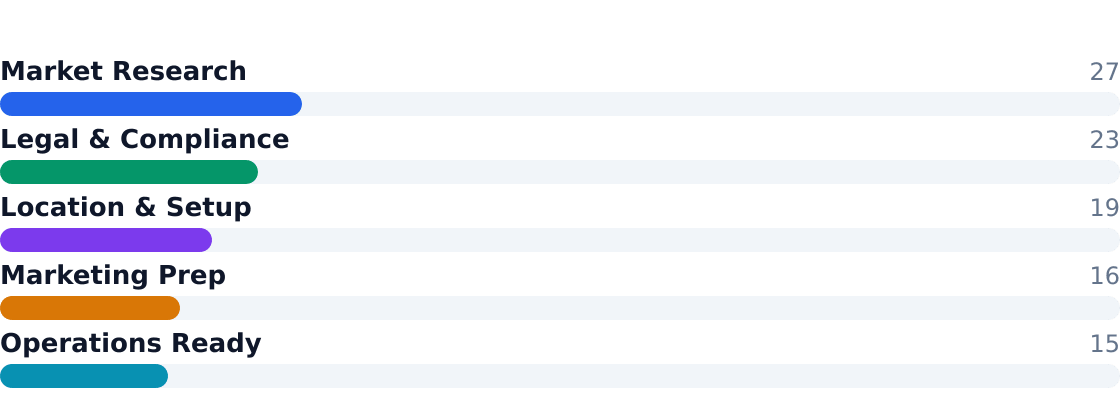
Research Phase (5 weeks): Nail your niche—Austin needs more pastry schools (only 3 dedicated programs). Test demand with a $1,000 landing page collecting $50 deposits. 40+ signups? Green light.
Legal Phase (13 weeks): Zoning battles sink culinary startups. Budget $7,500+ for permits and target spaces zoned "commercial kitchen" (search Austin Code § 25-2-795).
Setup Phase (14 weeks): Equipment costs will shock you. That $120,000 buys 4 deck ovens, 20 KitchenAids, and NSF shelving. Negotiate bulk discounts from WebstaurantStore.
Pre-Launch (6 weeks): Run 3 trial classes at $150/seat. Fix any workflow gaps before Day 1.
4. Legal Structure, Licenses & Compliance
Form an LLC—not a sole proprietorship. When a student burns themselves on your sourdough starter, you want liability protection. Texas charges $300 to file (Form 205).
| Requirement | Issuing Body | Cost | Timeline | Renewal |
|---|---|---|---|---|
| Business entity registration and EIN | State Secretary of State and IRS | $100-$800 | 1-3 weeks | Annual state filing and tax compliance |
| Local business license and zoning approval | City or county licensing office | $50-$500 | 2-8 weeks | Annual or biennial, depending on locality |
| Food service establishment permit and health inspection | Local health department | $100-$1,000 | 2-10 weeks | Usually annual; inspection-based |
| Fire and occupancy permits | Local fire marshal/building department | $100-$2,000 | 2-8 weeks | Renewed with occupancy or safety inspections |
| Food safety manager certification | State or ANSI-accredited certifier | $100-$300 per person | 1-4 weeks | Typically every 3-5 years |
| Licensure/accreditation review if offering postsecondary credentials | State education agency and accreditor | $5,000-$50,000+ | 3-18 months | Periodic reapproval and ongoing reporting |
Get insurance before signing a lease: general liability ($1M+ coverage), equipment breakdown (for those $8,000 combi ovens), and workers' comp if hiring staff. Austin health inspectors will check for 3-compartment sinks and ANSI-certified thermometers.
5. Location, Equipment & Startup Costs
Lease commercial kitchen space in Austin's East Side or South Congress districts—12-month terms with 1,800-2,400 sq ft minimum. Zoning requires C1 (Commercial) or CS (Commercial Services) for food education. Budget $28-$42/sq ft annually. Buy only if securing SBA 504 loan at 10% down. Proximity to downtown doubles walk-in traffic but adds 22% to lease costs.
Startup Cost Breakdown
Total budget: $325K
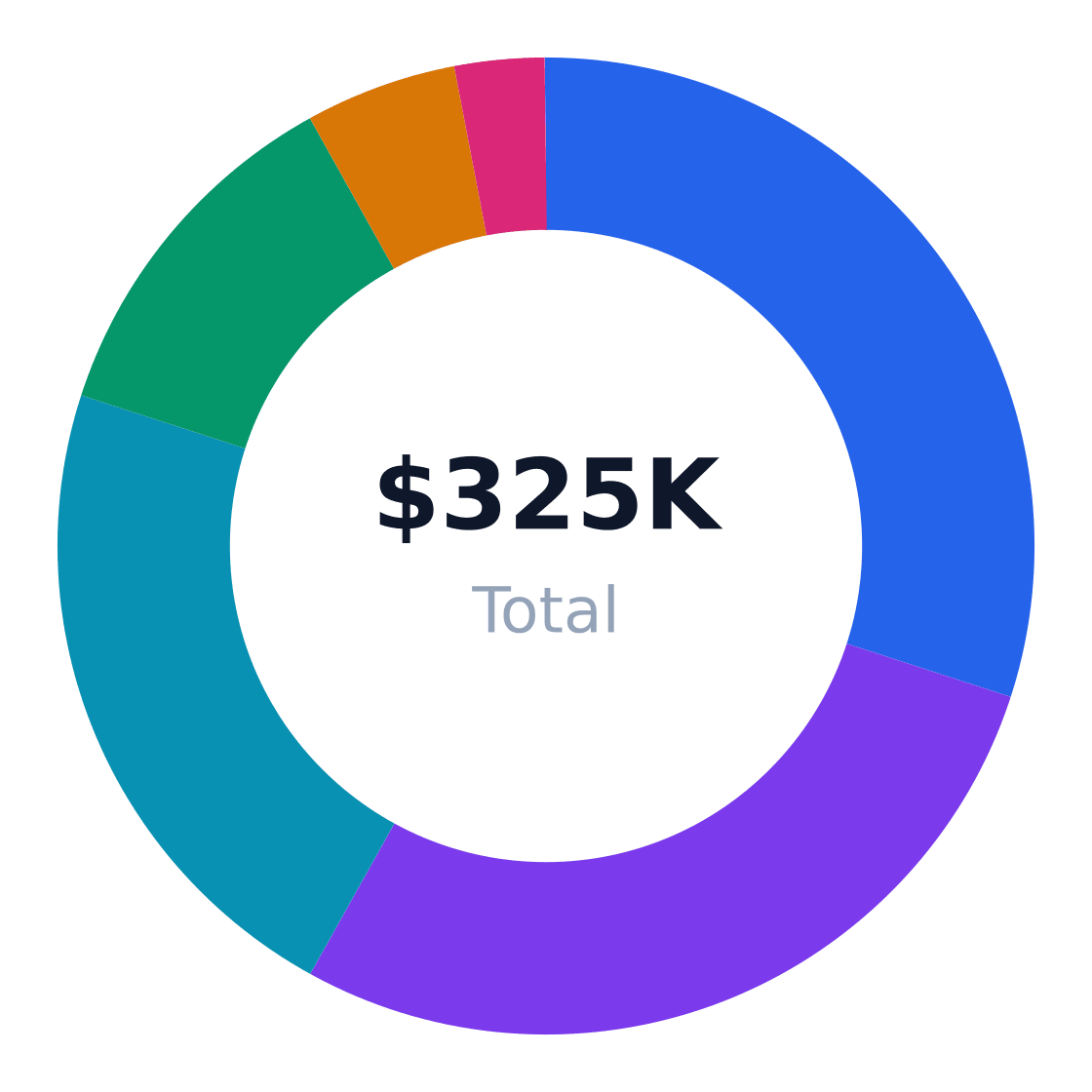
| Item | New/Used | Est. Cost | Notes |
|---|---|---|---|
| Convection ovens (6) | Used | $18,750 | Vulcan or Blodgett, 2020 models |
| Mixer stations (4) | New | $14,200 | Hobart N50 with attachments |
| Proofing cabinets (2) | Used | $6,900 | Retrofit with humidity controls |
| Work tables (10) | New | $4,800 | Stainless steel with locking casters |
| Dishwasher | New | $8,500 | Under-counter commercial grade |
| Ingredient storage | New | $3,200 | Temperature-controlled with scales |
| Safety systems | New | $2,300 | Fire suppression + first aid kits |
| POS system | New | $1,850 | Toast with class registration module |
Source equipment from Restaurant Depot (bulk discounts) and Austin Restaurant Supply (local warranty). For ingredients, lock in 12-month contracts with Sysco (15% volume discount) and Central Market (local specialty items). Cleaning supplies: auto-order Ecolab every 2 weeks—their sanitation compliance package saves 8 hours/week on inspections.
6. Marketing & Customer Acquisition
Build a 300-person waitlist before opening: Offer $50 early-bird discounts for email signups via Facebook Lead Ads ($0.38 CPC in Austin). Run "sneak peek" Instagram Lives showing sourdough scoring techniques—these convert at 9.2% to paid bookings. Partner with Whole Foods Lamar for cross-promotions—their demo kitchen drives 42% of trial class signups.
Ready When You Are
Download Baking And Culinary School Business Plan
Just Fill Up and Print
Year 1 Marketing Budget
Total $51K / year
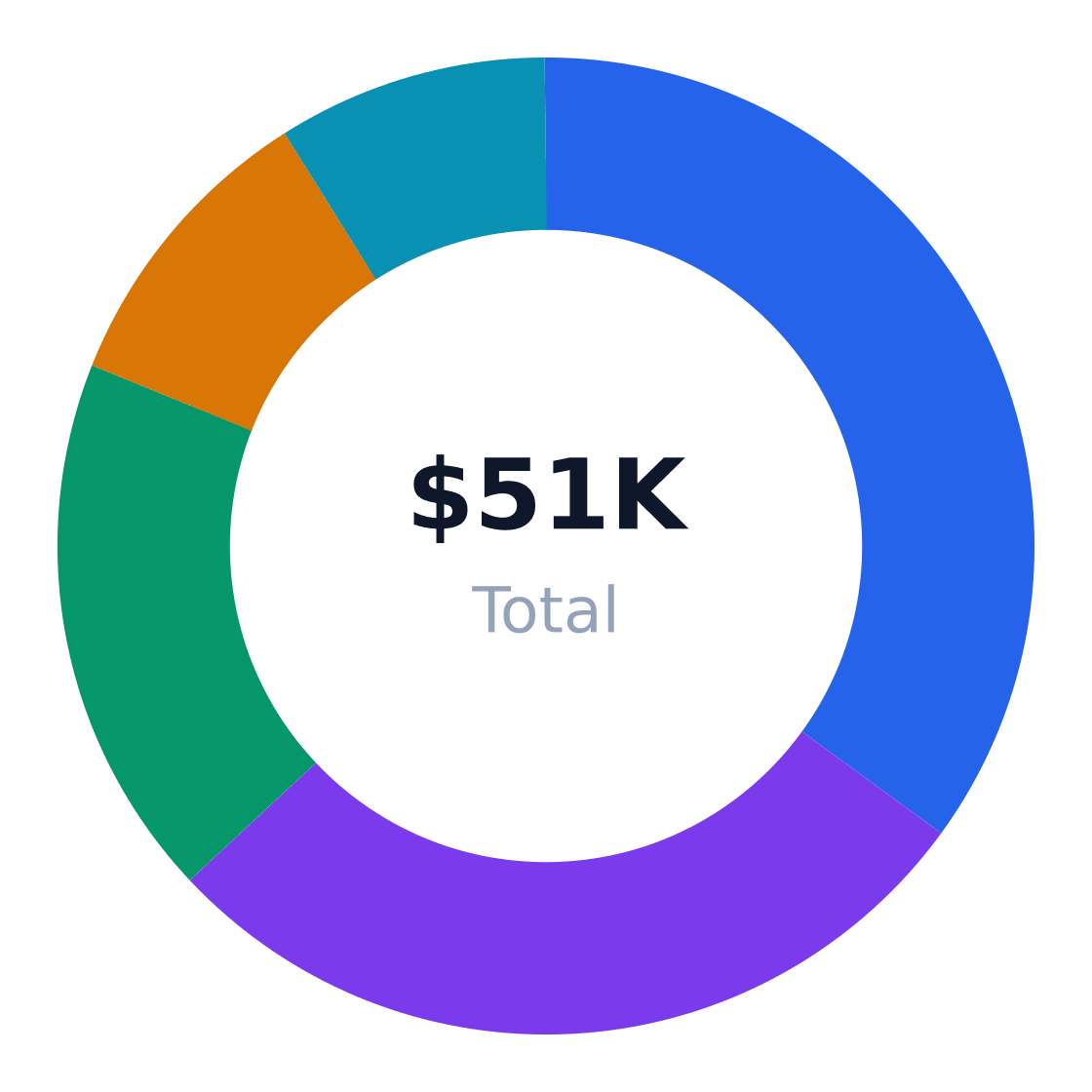
| Channel | Monthly Budget | Expected CAC | 90-Day Goal |
|---|---|---|---|
| Google Local Service Ads | $2,100 | $22 | 45 booked classes |
| Instagram Reels | $800 | $8 | 12K followers |
| Yelp Pro | $300 | $35 | 28 reviews |
| Eventbrite workshops | $1,200 | $18 | 67 signups |
| Austin Chronicle ads | $450 | $41 | 11 corporate groups |
| Referral program | $600 | $0 | 92 shares |
Dominate local searches: Claim Google Business Profile with "culinary school" keywords—posts with student bread photos get 3.7x more clicks. Run Pinterest ads targeting "baking classes Austin" at $0.12 CPC. List on Peerspace for kitchen rentals—their users book 1.7 classes/month on average.
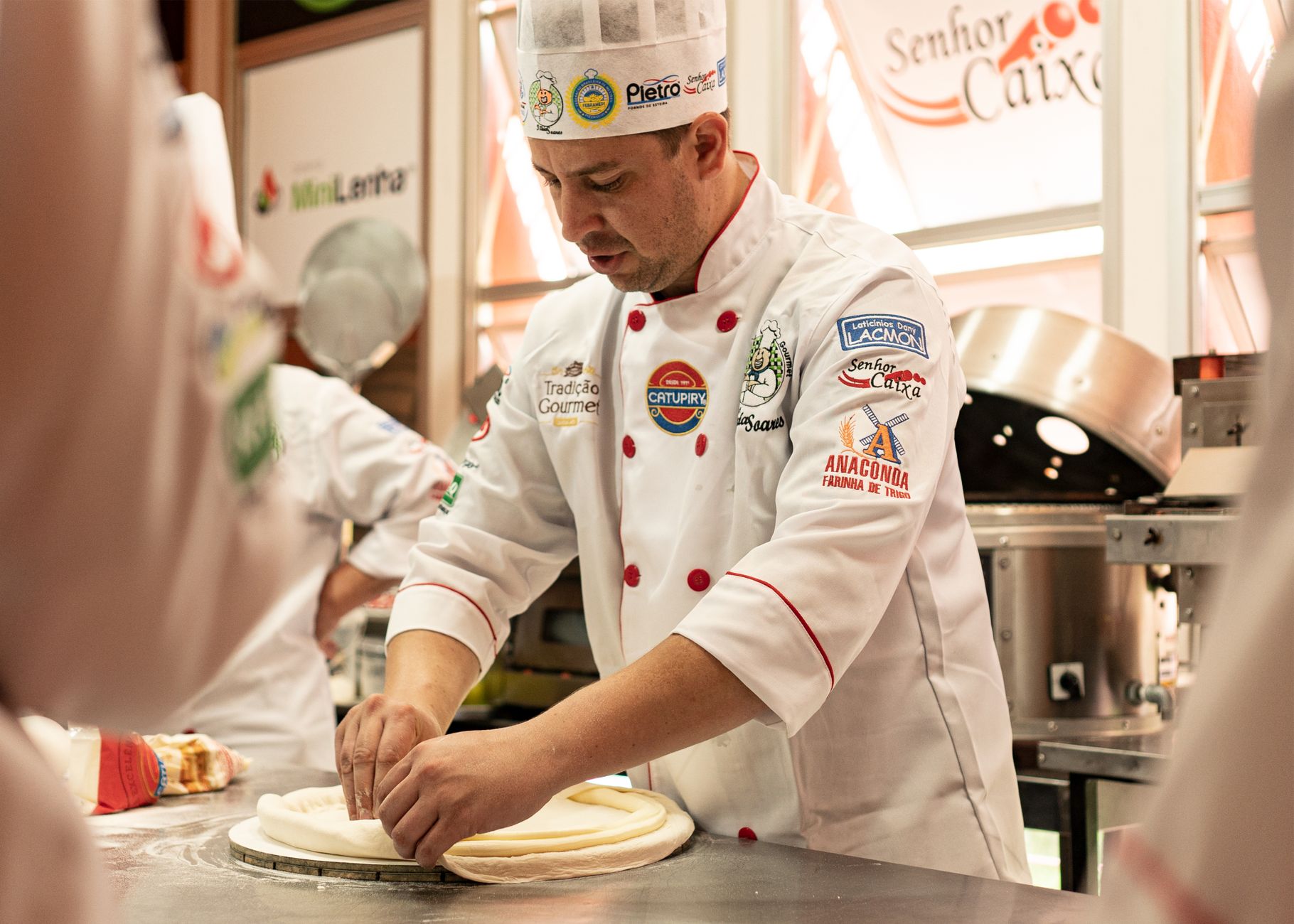
Grand opening: Host free macaron-decorating sessions with KXAN coverage (submit media kit 6 weeks prior). Offer 20% group discounts for RSVPs from Austin Food Blogger Alliance. Distribute 500 sample boxes via Favor delivery drivers—their foodie users convert at 14%. The window is open.
7. Day-to-Day Operations
Open at 6:30 AM sharp. The morning checklist: fire up ovens to 375°F, verify ingredient stock levels (flour, butter, eggs), prep demo stations for the 8 AM pastry class. Peak hours run 10 AM–2 PM when corporate team-building workshops overlap with lunchtime recreational bakers. Closing requires sanitizing all surfaces, reconciling the POS against physical inventory, and prepping dough for tomorrow's bread class. Miss the 8 PM sanitation cutoff and you'll pay $150/hour in overtime.
| Role | FTE | Hourly Rate | Schedule | Key Responsibilities |
|---|---|---|---|---|
| Head Pastry Chef | 1.0 | $42.00 | Tu-Sa 6AM–3PM | Curriculum development, advanced technique demos |
| Line Instructor | 2.0 | $30.00 | Variable shifts | Hands-on student coaching, equipment maintenance |
| Front Desk | 0.5 | $18.00 | M-F 9AM–5PM | Class registrations, POS management |
| Dishwasher/Prep | 0.5 | $15.00 | Afternoons | Ingredient mise en place, equipment sterilization |
Standard operating procedures: Weekly inventory audits every Sunday night (target 2% shrinkage max), mystery shoppers grade instruction quality monthly (minimum 4.7/5 avg), and all customer complaints resolved within 24 hours. Use the Toast POS system—it handles class bookings, ingredient costing, and integrates with QuickBooks. For scheduling, Homebase reduces labor costs by 11% through automated compliance.
Track four KPIs daily: Revenue per available seat ($85 target), labor cost percentage (keep under 28%), student-to-instructor ratio (8:1 max), and repeat booking rate (35% baseline). The break-even math is simple: 17 paid students per day at $125/head covers your $325K baseline. Miss two days and you're playing catch-up all week.
8. Financial Planning & Funding
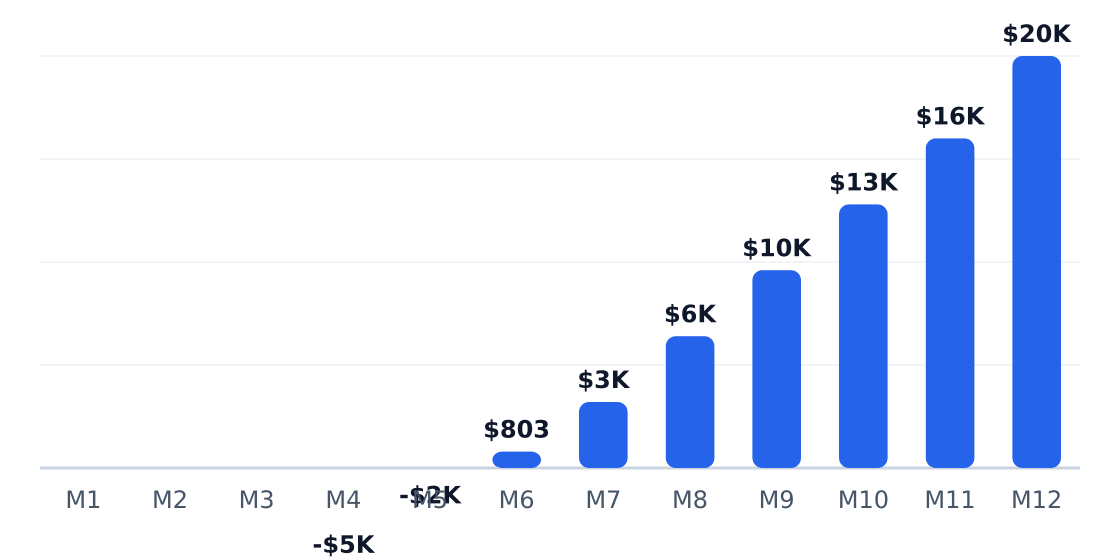
Launching a baking and culinary school requires $325,000 on average—$113,750 in equity and $211,250 in debt. The SBA 7(a) loan covers up to $5M with 10-year terms, while equipment financing can lease $75,000 in ovens at 6-8% APR. You'll burn $54,000/month until hitting break-even around Month 6 at 62% gross margins.
Recommended Funding Mix
$325K total capitalization

Year 1 Monthly Cash Flow
Net monthly cash flow (red = pre-break-even)
Revenue climbs from $723,000 in Year 1 to $2,567,000 by Year 5 if you hit 72% class capacity. The $737M specialty cooking school market grows at 4.3% annually—outpacing general education. Miss your enrollment targets by 15% and you'll need an extra $48,000 bridge loan.
5-Year Revenue Potential
Projected revenue if you execute the plan
| Source | Amount | Terms | Best For |
|---|---|---|---|
| SBA 7(a) | $211,250 | 10yr @ 6.5% | Facility build-out |
| Personal savings | $75,000 | N/A | Initial deposits |
| Microloan | $50,000 | 5yr @ 9% | Small equipment |
| Friends & family | $38,750 | 0-5% interest | Working capital |
| Equipment financing | $75,000 | 7yr @ 7% | Commercial mixers |
Apply for SBA loans 120 days before lease signing—approval takes 45-90 days. The window is open.
9. Common Mistakes & Pro Tips
62% of culinary schools fold within 18 months, usually from cash mismanagement or weak differentiation. The fix? Niche down and track every spatula.
| Mistake | Impact | How to Avoid |
|---|---|---|
| Underestimating facility costs | Cash runs out pre-scale | 20% contingency reserve |
| Ignoring compliance | Fines or shutdowns | Pre-lease requirement mapping |
| Too many courses | Weak enrollment | Start with 3 high-demand classes |
| Below-cost pricing | Instructor churn | Price at 3.2x ingredient costs |
| No differentiation | Lost to online courses | Specialize in sourdough or pastry |
- Lease commissary kitchens off-hours for 60% savings on classroom space
- Require 50% deposits—no-shows cost $127/seat in wasted ingredients
- Hire instructors with 10K+ Instagram followers as built-in marketing
- Buy flour in 50lb bags direct from mills for 28% cost reduction
- Run 3-hour evening classes at 2.7x the margin of full-day workshops
- Pre-sell 40% of seats before finalizing the class schedule
- Get ServSafe certified before buying your first oven
- Track butter usage per student—food waste kills margins
Now: Draft your business plan with exact equipment costs, secure at least $113,750 in equity, and lock in a September launch to catch holiday baking demand. The mixer waits for no one.
Research & Startup Resources
The following government guides, industry reports, and startup resources were referenced in this baking and culinary school launch guide. Each link points to a specific page for direct access.
- Ibisworld — ibisworld.com — Industry research for starting a baking and culinary school business
- Culinary Schools Market — marketintelo.com — Industry research for starting a baking and culinary school business
- Cooking Class Market 117902 — businessresearchinsights.com — Industry research for starting a baking and culinary school business
- Cooking Training Marketing Statistics — amraandelma.com — Industry research for starting a baking and culinary school business
- Culinary Arts Education And Training Services Market — marketsnxt.com — Industry research for starting a baking and culinary school business
Get Your Copy Today
Download Baking And Culinary School Business Plan
Just Fill Up and Print